
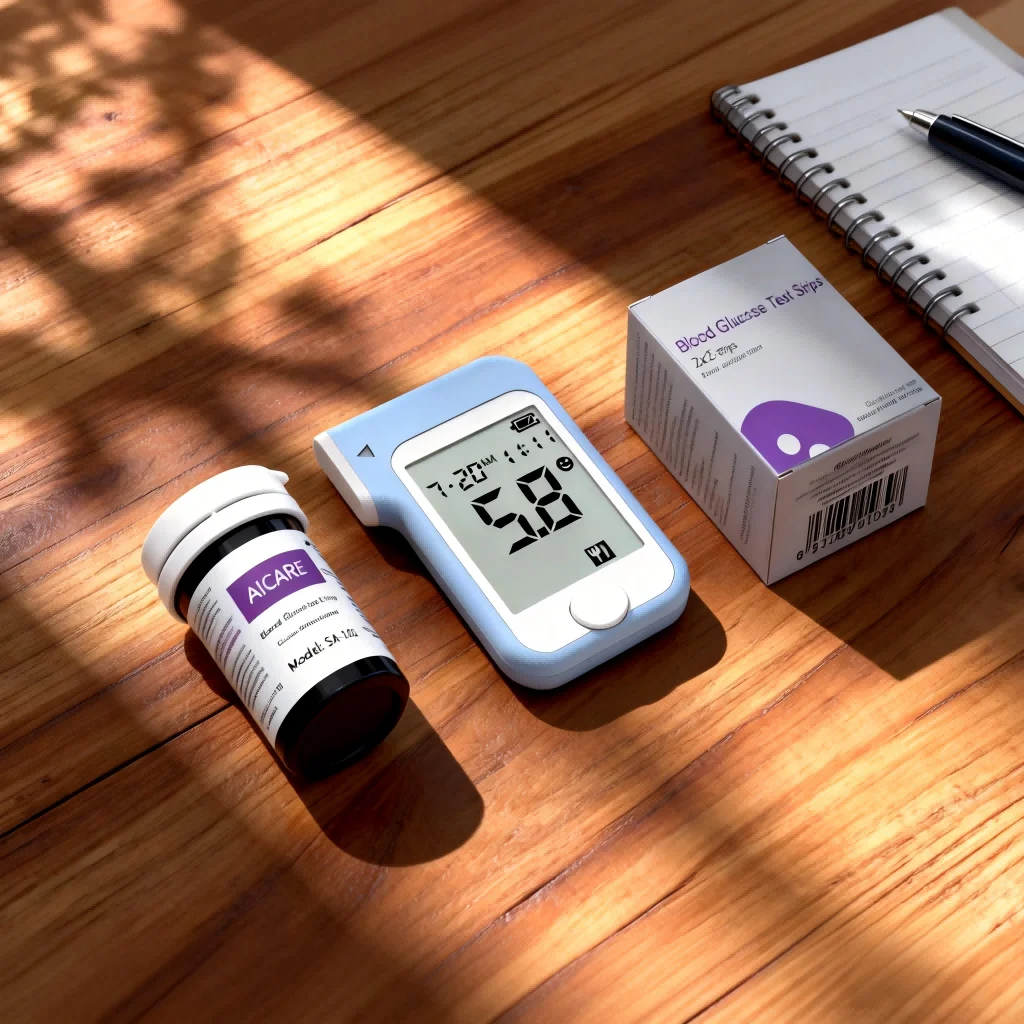
When choosing a home blood glucose meter, many people first look at the price of the device itself—the cheapest is often the most attractive. However, in the long run, the real cost driver is actually the test strips. Although the unit price of a test strip is small, patients with chronic diseases may use hundreds of strips a year, and the accumulated cost far exceeds the cost of the device itself. This article, based on real user experience and market data, explains why "total cost of ownership" is a more important consideration, helping readers avoid hidden expense traps when making a purchase.
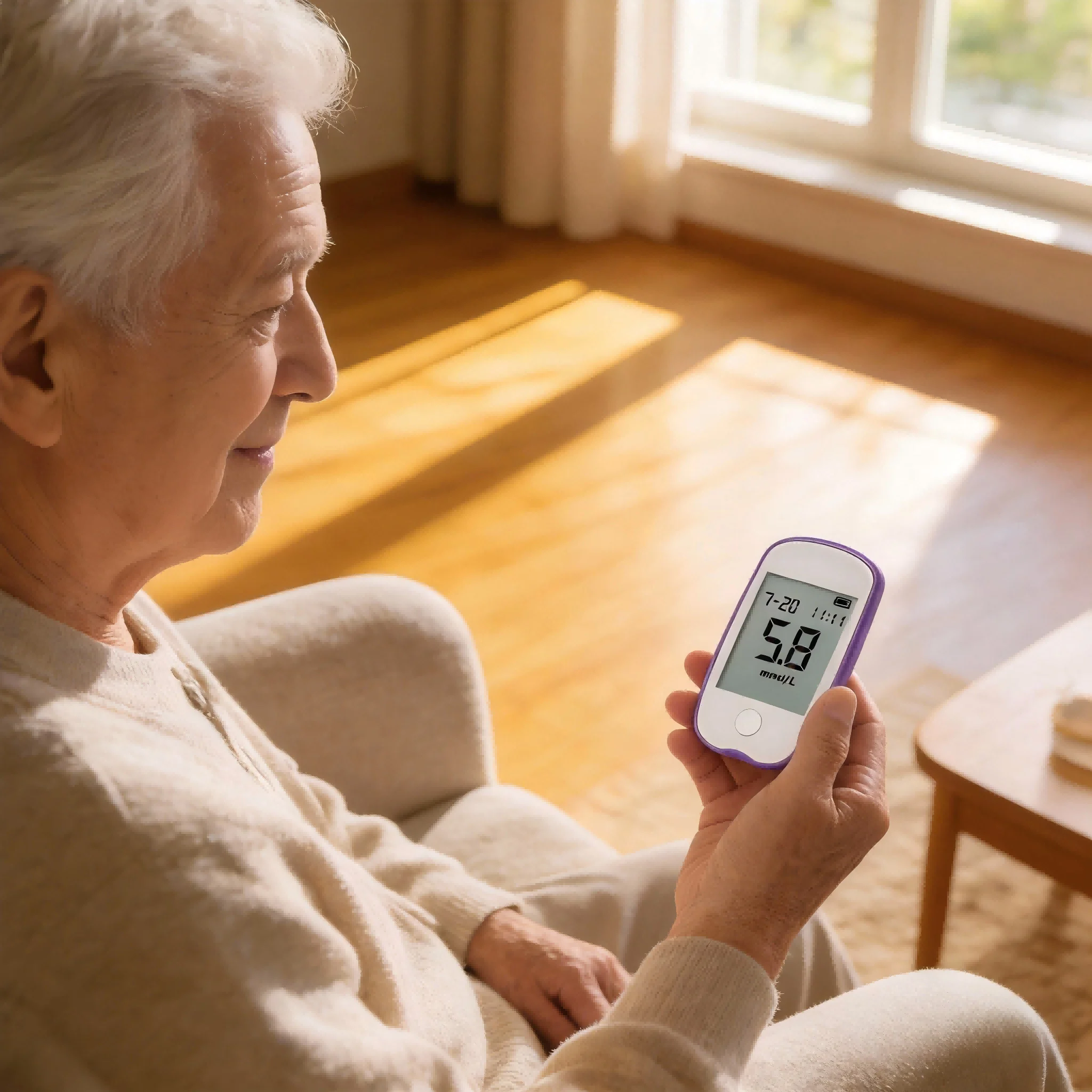
A lot of people start tracking their blood pressure or blood sugar with good intentions, only to find the routine fading after a few weeks. It’s common—life gets busy, the initial excitement wears off, or the numbers don’t change as quickly as hoped. The good news is that dropping the habit doesn’t mean failure; it just means the approach might need tweaking.

Most people know sleep matters for feeling sharp the next day, but fewer realize how directly it affects blood pressure and blood sugar control—especially as we age.
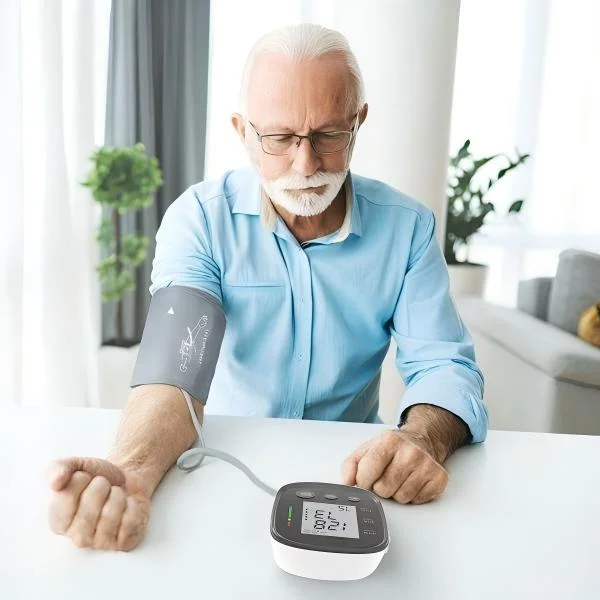
Learn why blood pressure and blood sugar often rise in winter for seniors. Get practical home monitoring tips and easy habits to stay comfortable and healthy through the cold months with reliable devices.

It's the middle of winter here in much, if you've noticed your blood pressure readings creeping up a bit lately, you're not alone. A lot of folks—especially those of us over 60—see a little spike when the temperatures drop. It's one of those quiet changes that can catch you off guard, but understanding it and keeping an eye on things at home can make all the difference.
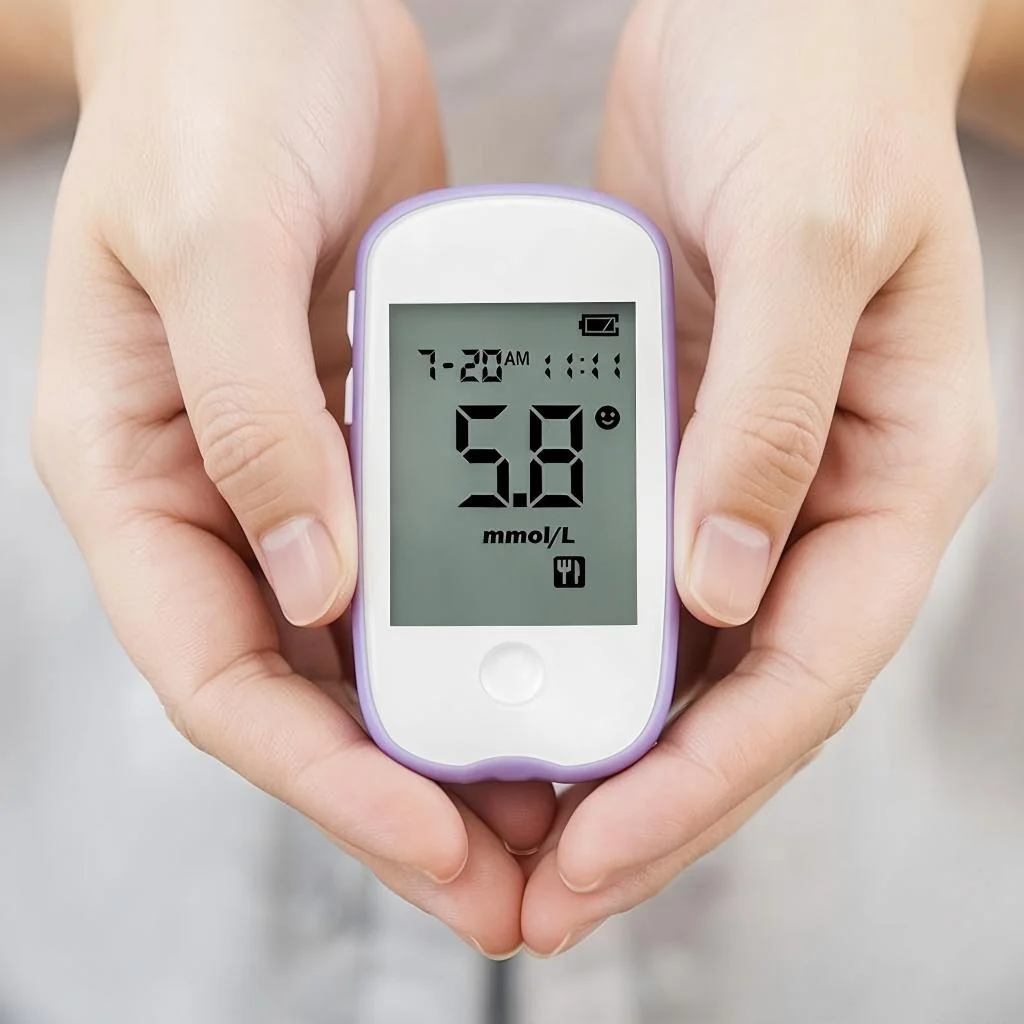
Us are thinking about better habits—eating healthier, moving more, or finally getting on top of our health check-ups. For millions living with or at risk of diabetes, one simple step stands out: keeping a close eye on blood sugar levels.
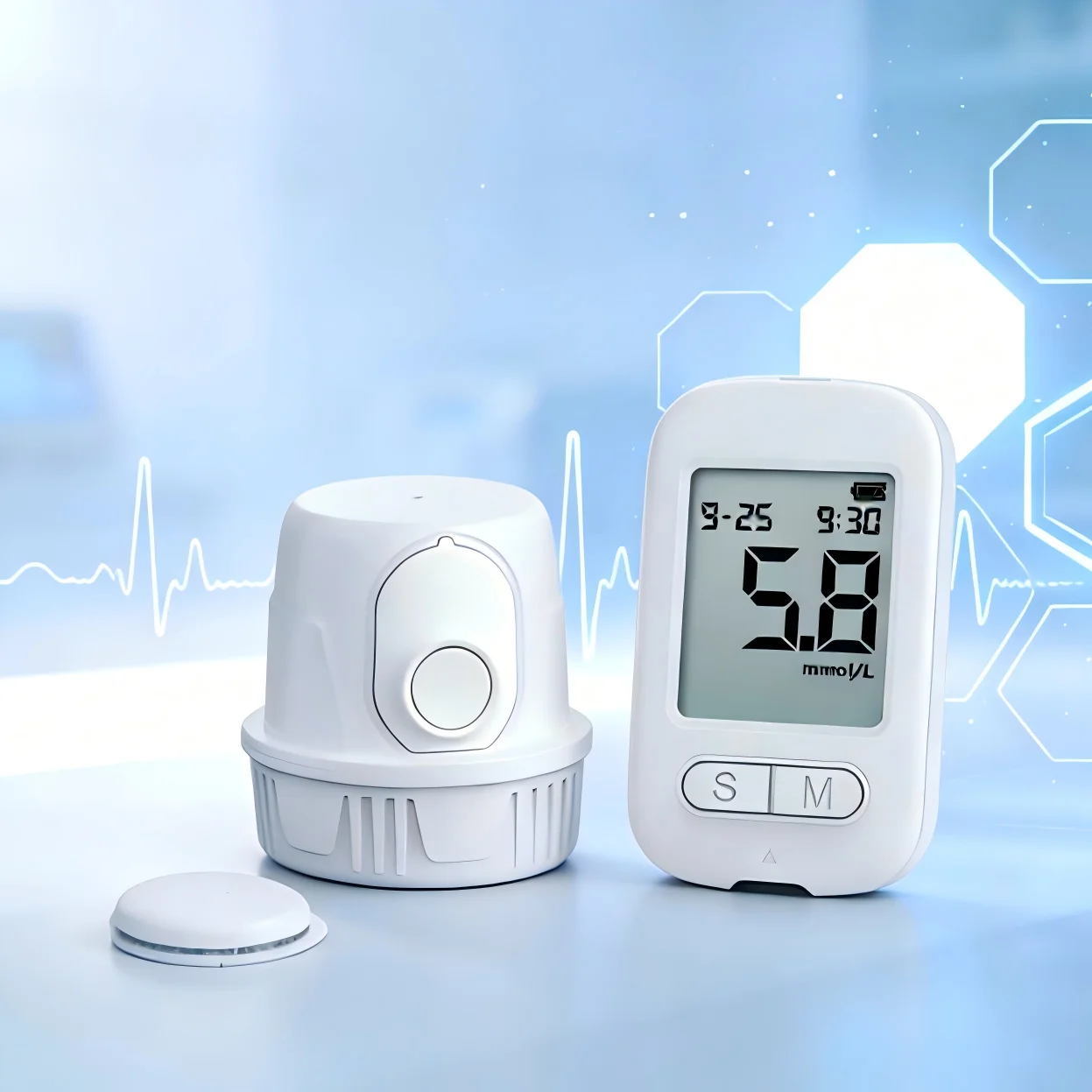
Continuous Glucose Monitoring (CGM) has been one of the most talked-about innovations in diabetes management over the past decade. At the same time, traditional Blood Glucose Meters (BGM) remain widely used across markets and healthcare settings.
For buyers, distributors, and OEM partners evaluating glucose monitoring solutions, the fundamental questions are straightforward:
Is CGM inherently more accurate than BGM?
How large are the typical deviations between these technologies?
And is CGM a mature product that can be trusted at scale?
This article explores these questions with practical insights grounded in clinical practice and real-world usage patterns.
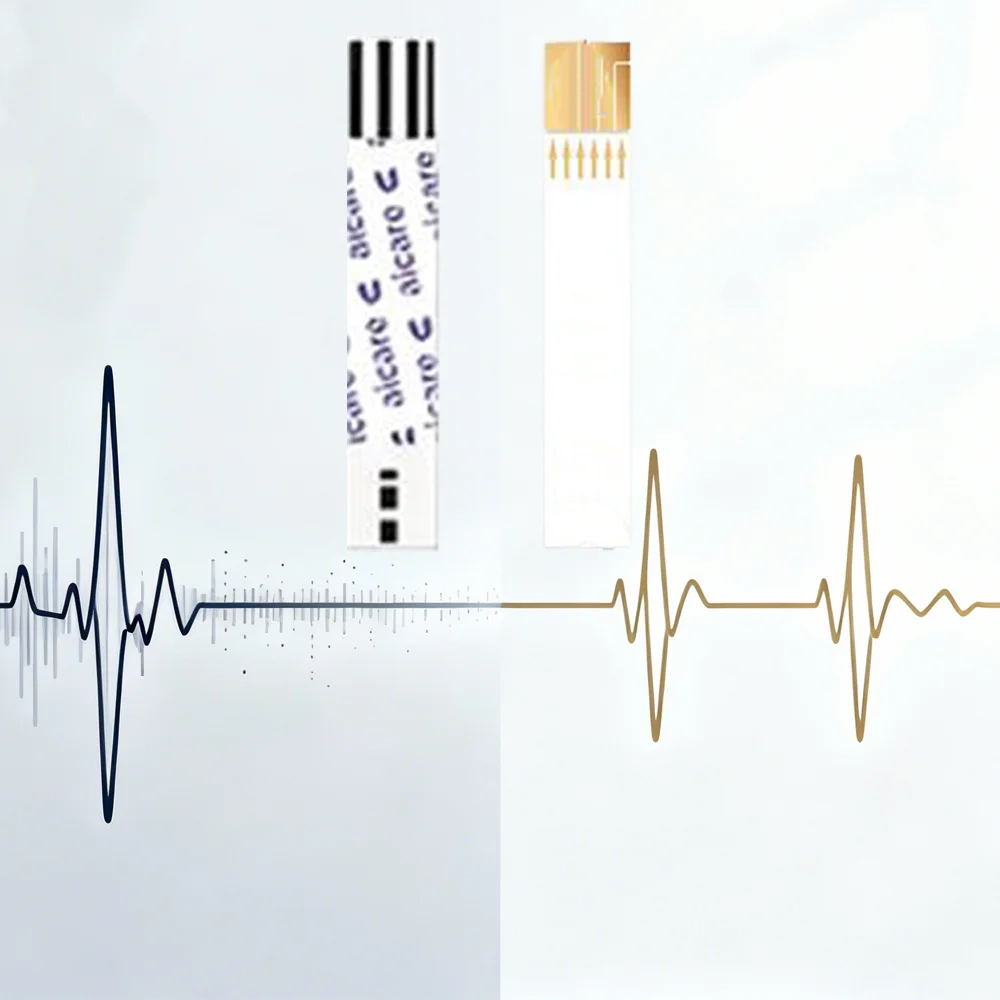
In the B2B medical device sector, the "accuracy" of a blood glucose monitor (BGM) is often discussed as a marketing buzzword. However, for distributors and clinical procurement officers, accuracy is a function of metrology and material science. The most critical component in this equation is the electrode material used in the test strips. Today, the industry is split between two primary technologies: Carbon (Graphite) Electrodes and Gold (Sputtered) Electrodes.
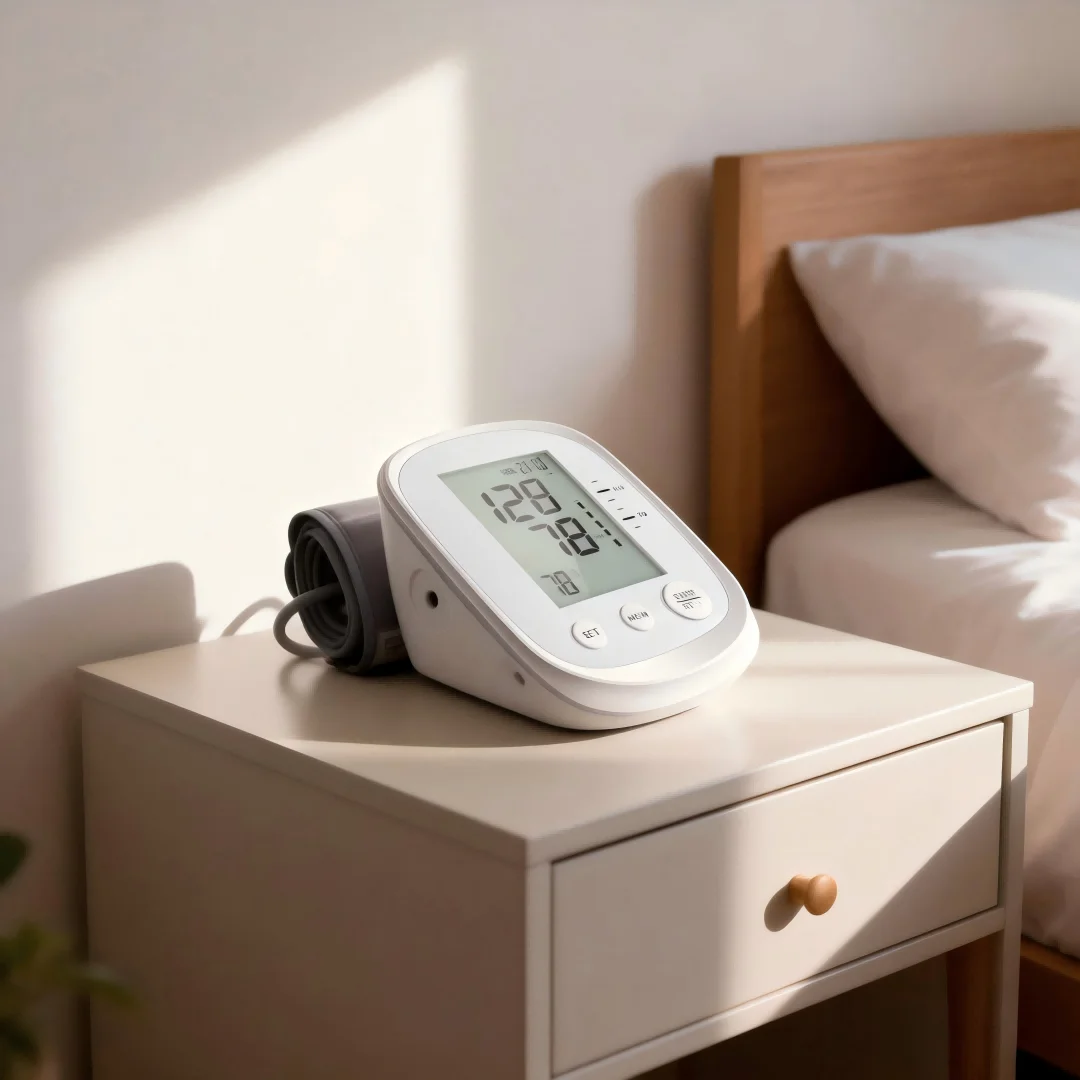
In the home medical device industry, reliability is rarely the first topic raised in a sales meeting. Features, pricing, and certifications usually come first. Reliability is assumed, not discussed.
That assumption is often what causes problems later.
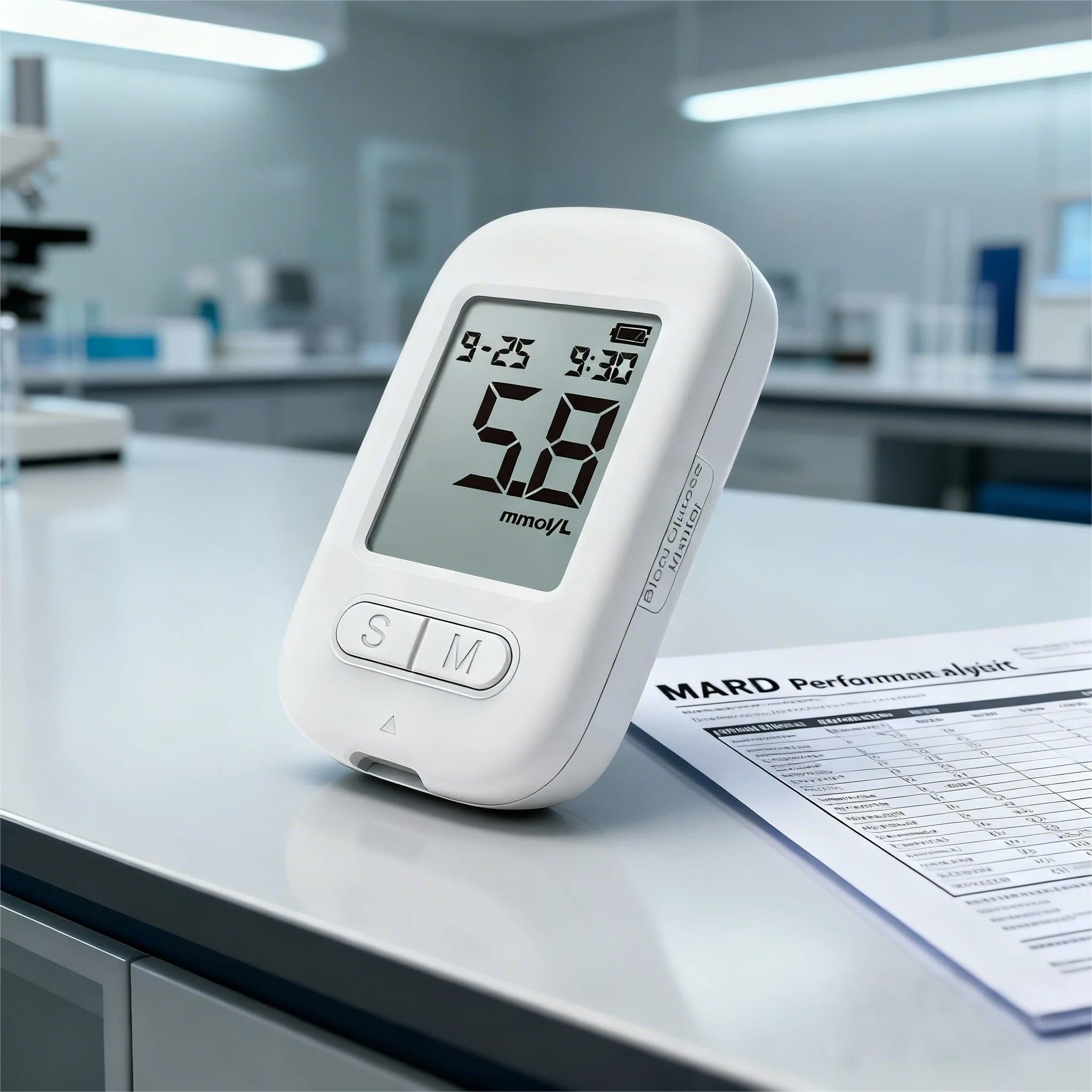
As global demand for home blood glucose monitoring continues to grow, expectations around accuracy are changing. What was once considered “acceptable” is no longer sufficient for many professional buyers. Across multiple markets, accuracy is shifting from a regulatory checkbox to a competitive differentiator.
This shift is reshaping how distributors, brand owners, and OEM partners evaluate glucose meters—particularly at scale.
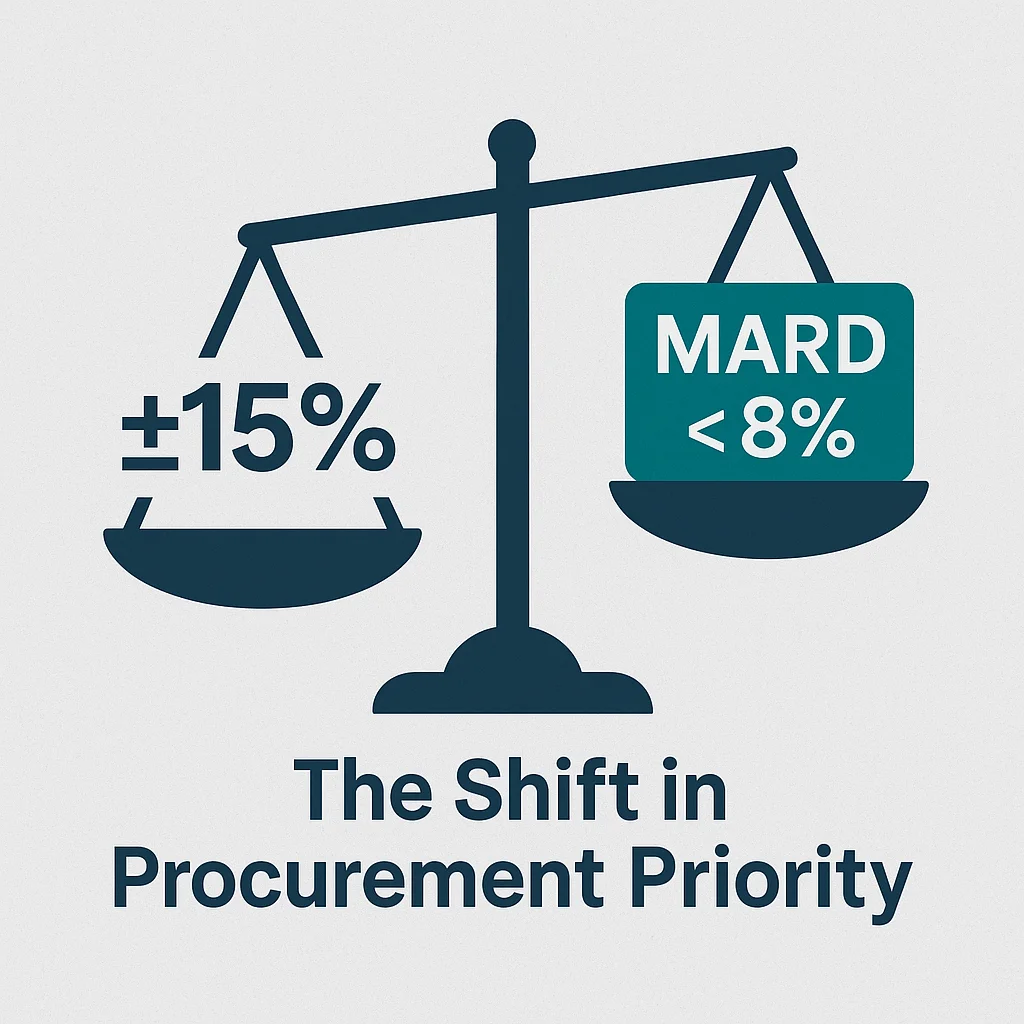
Professional procurement teams often default to the widely recognized ±15% accuracy standard when vetting glucose monitoring systems. Yet, this reliance overlooks a critical industry truth: regulatory compliance does not equate to clinical excellence. The genuine indicator of a device’s precision—and the key to unlocking better patient outcomes—lies hidden within the Mean Absolute Relative Difference (MARD). While ±15% defines the regulatory minimum, MARD is the definitive measure of real-world clinical performance.
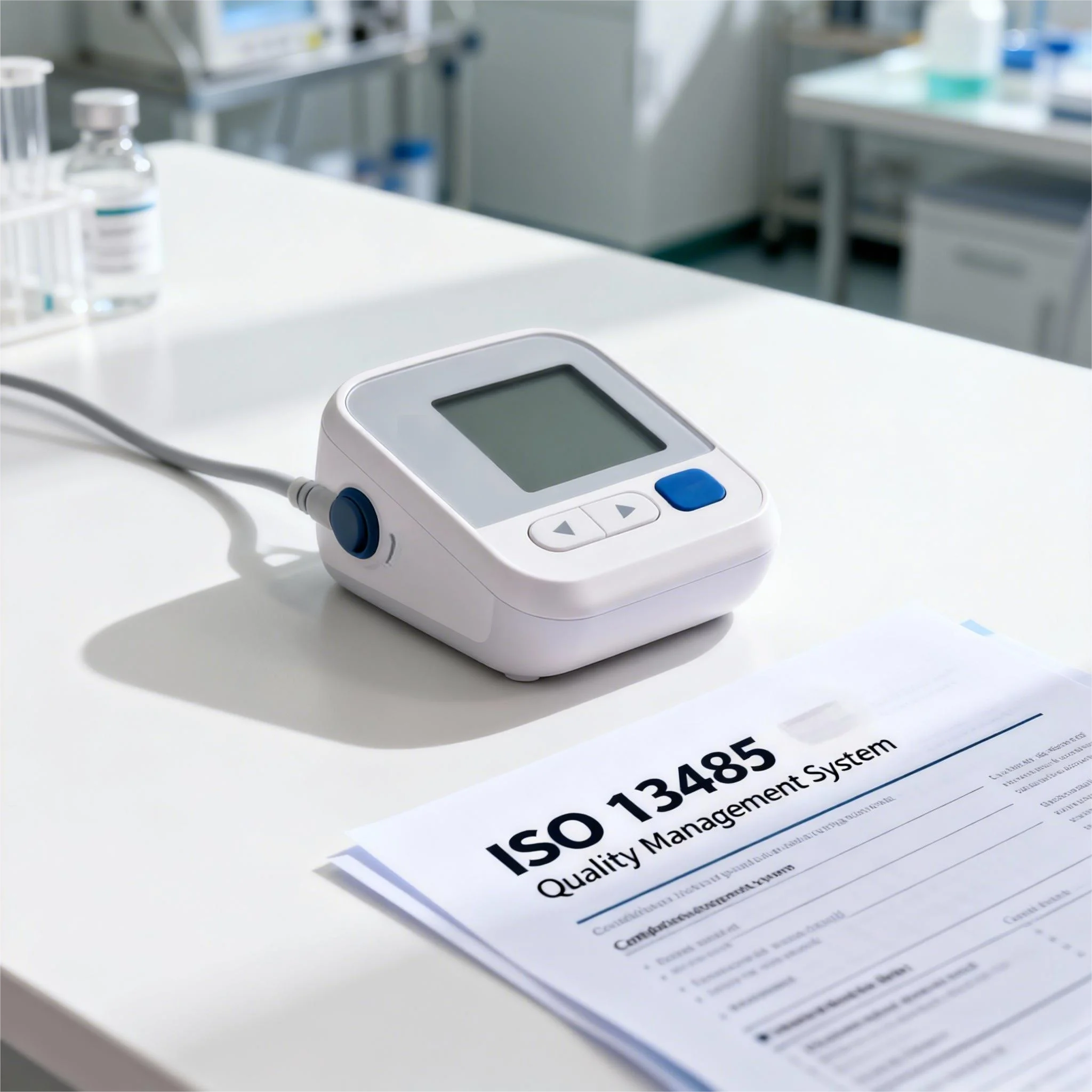
As the home-medical-device sector expands, regulatory compliance is no longer optional. ISO 13485 and CE Marking have become the baseline requirements for manufacturers seeking market access, consumer trust, and long-term competitiveness across global regions.
If you are interested in our products, you can choose to leave your information here, and we will be in touch with you shortly.