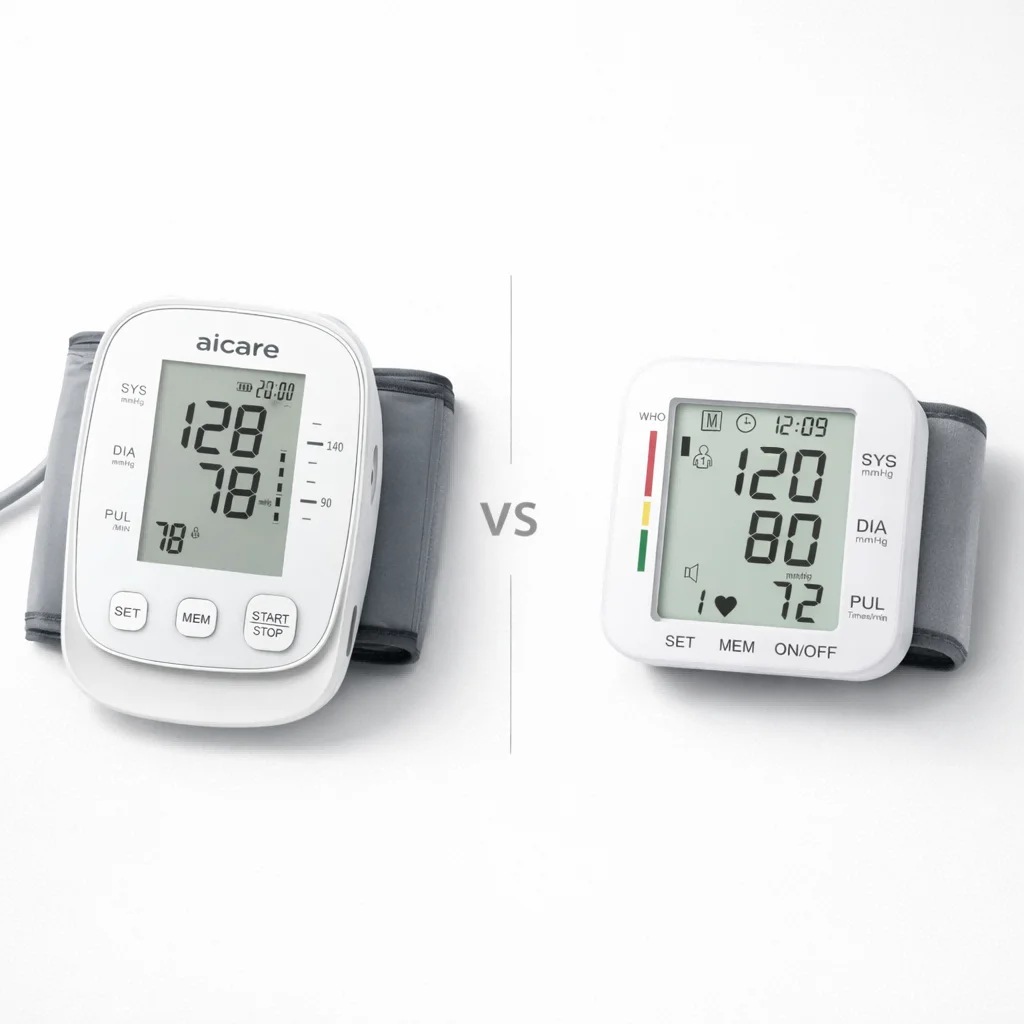
A lot of people start tracking their blood pressure or blood sugar with good intentions, only to find the routine fading after a few weeks. It’s common—life gets busy, the initial excitement wears off, or the numbers don’t change as quickly as hoped. The good news is that dropping the habit doesn’t mean failure; it just means the approach might need tweaking.
Most slip-ups happen for predictable reasons. Setting the bar too high—like aiming for multiple checks every day right from the start—can feel overwhelming. Or the process feels fiddly: digging out the device, finding a quiet moment, remembering to note the reading. When results fluctuate normally or progress feels slow, it’s easy to lose motivation and think “what’s the point?”
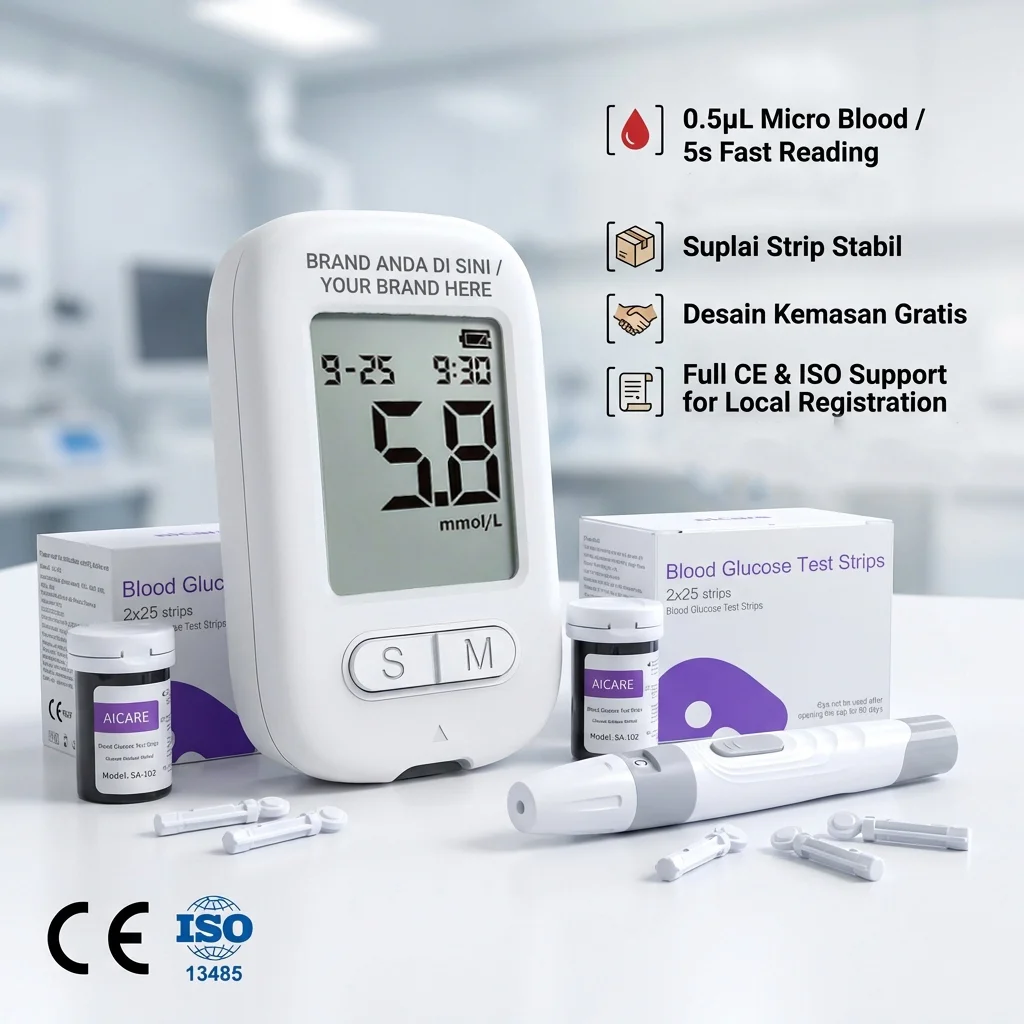
The trick is to start small and keep expectations realistic. Instead of daily measurements, begin with three or four times a week. Pick moments that already exist in your day—right after breakfast or before dinner—so it doesn’t require extra willpower. Place the monitor somewhere obvious, like on the kitchen counter or nightstand, so it’s hard to ignore but not in the way.
Pairing the check with something you already do reliably helps it stick. Measure blood pressure while the kettle boils for tea, or test blood sugar while catching the evening news. Keep recording simple—a small notebook or even a note on your phone works fine. Complexity kills consistency.
Progress shows up in patterns, not single readings. Once a week, glance back at your notes. You’ll likely spot trends: maybe numbers are steadier on days you walked more, or lower after quieter evenings. Those small insights keep the habit meaningful. If a reading seems off, it’s information, not a setback—just one data point in a longer picture.
Don’t go it alone if it helps. Mention your routine to a family member or friend; sometimes a quick “how’s it going?” provides gentle accountability. Some people find sharing weekly averages with their doctor motivating—it turns the data into a conversation.
The goal isn’t perfection. Missing a day or two is normal; the real win is picking it up again without self-criticism. Over time, these brief checks often become as automatic as brushing teeth—quietly useful, rarely skipped.
A few months in, many find they’re glad they kept going. The habit stops feeling like effort and starts feeling like self-care. If you’ve let it slide before, today’s as good a day as any to ease back in—one small check at a time.
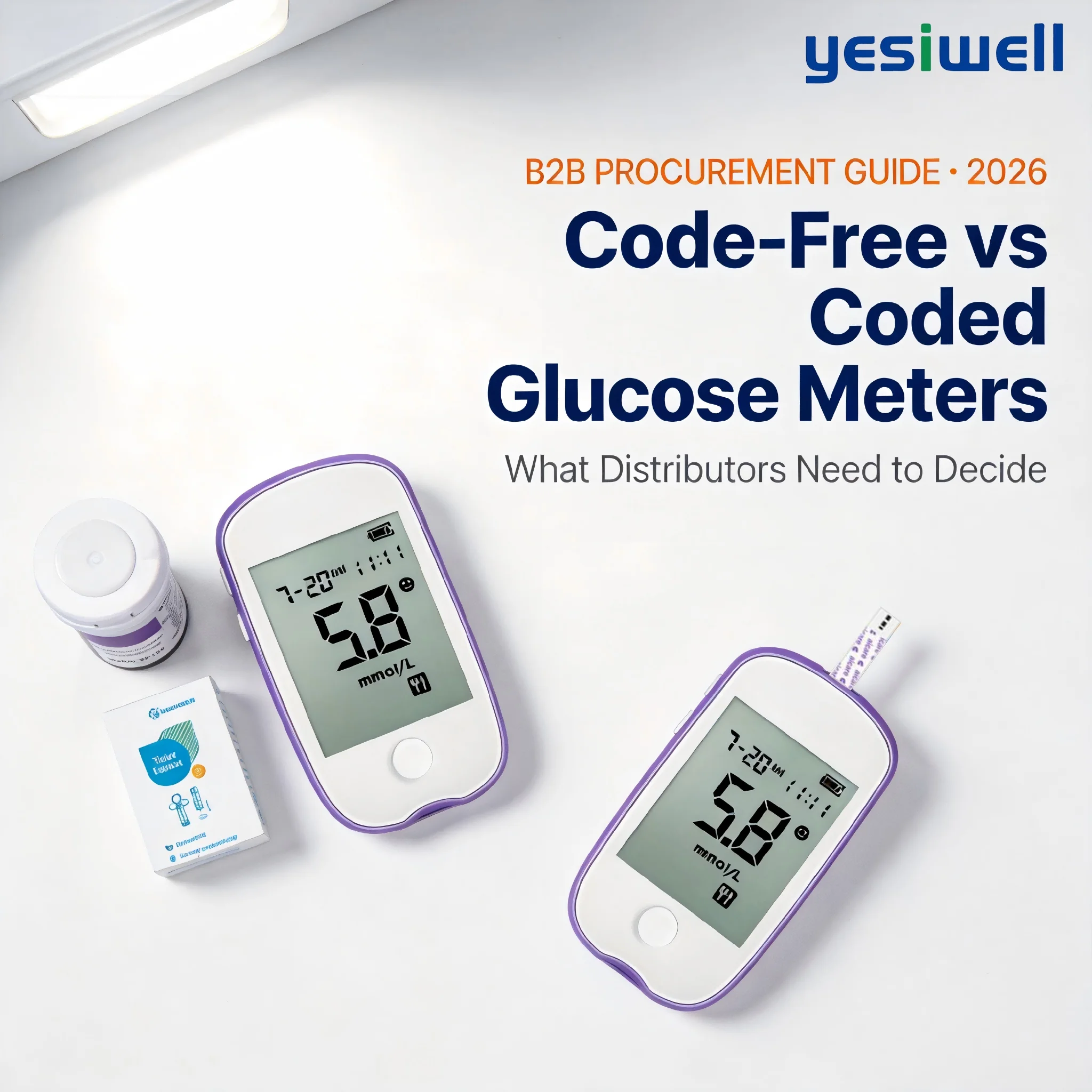
Most distributors default to code-free without asking why. The choice has real implications for your market, your margins, and how often customers call your support line.
READ MORE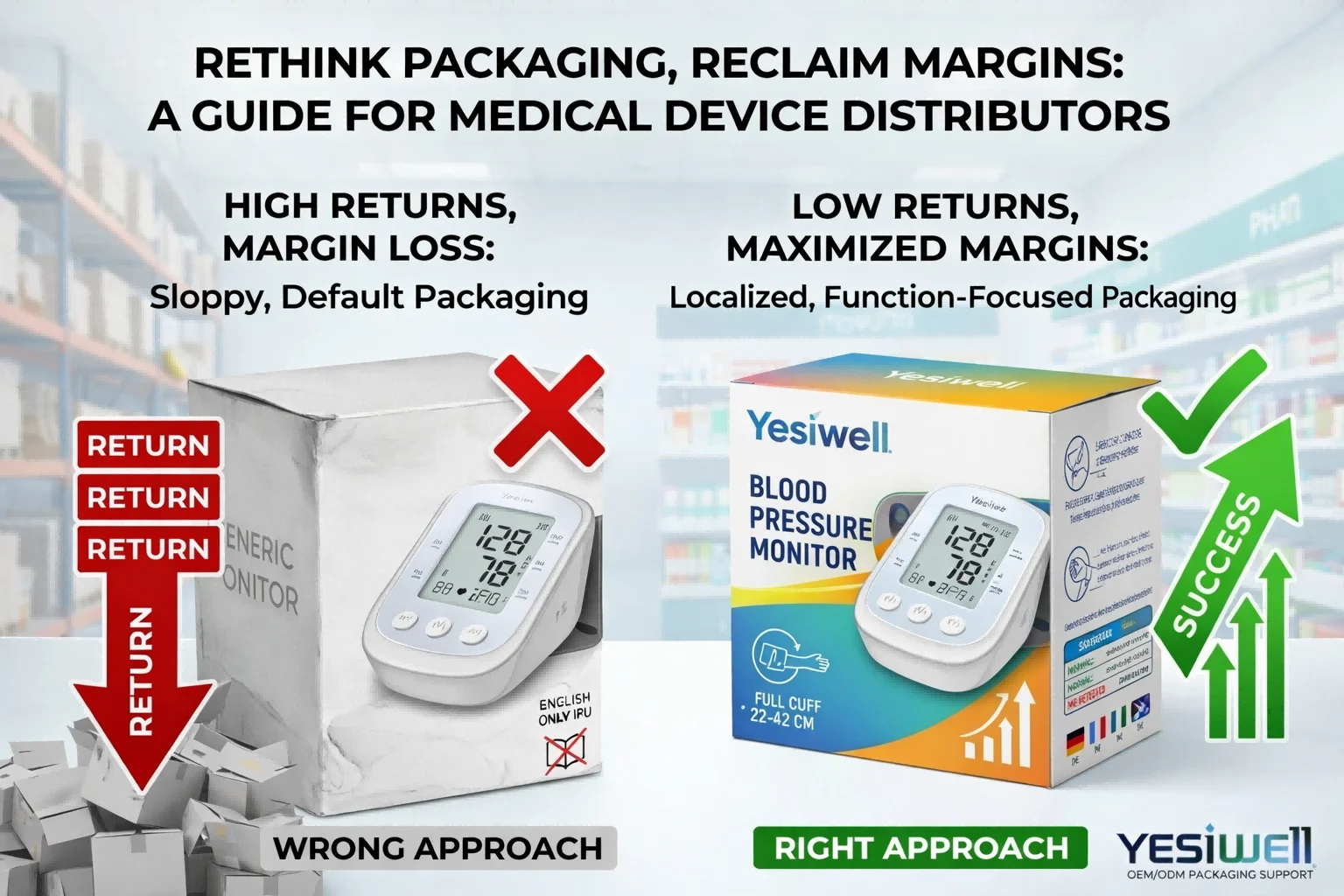
Poor packaging drives returns, compliance failures, and low sell-through. A practical OEM guide for distributors building private-label medical devices.
READ MOREIf you are interested in our products, you can choose to leave your information here, and we will be in touch with you shortly.