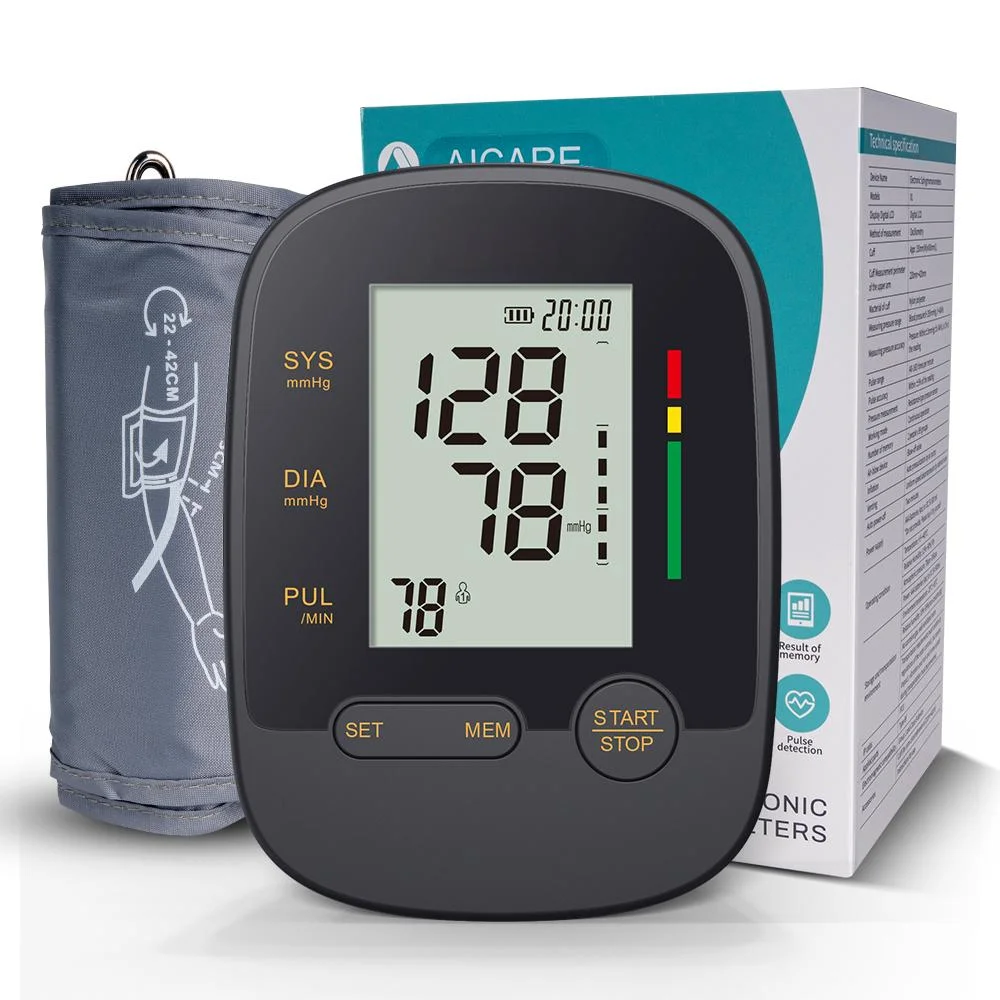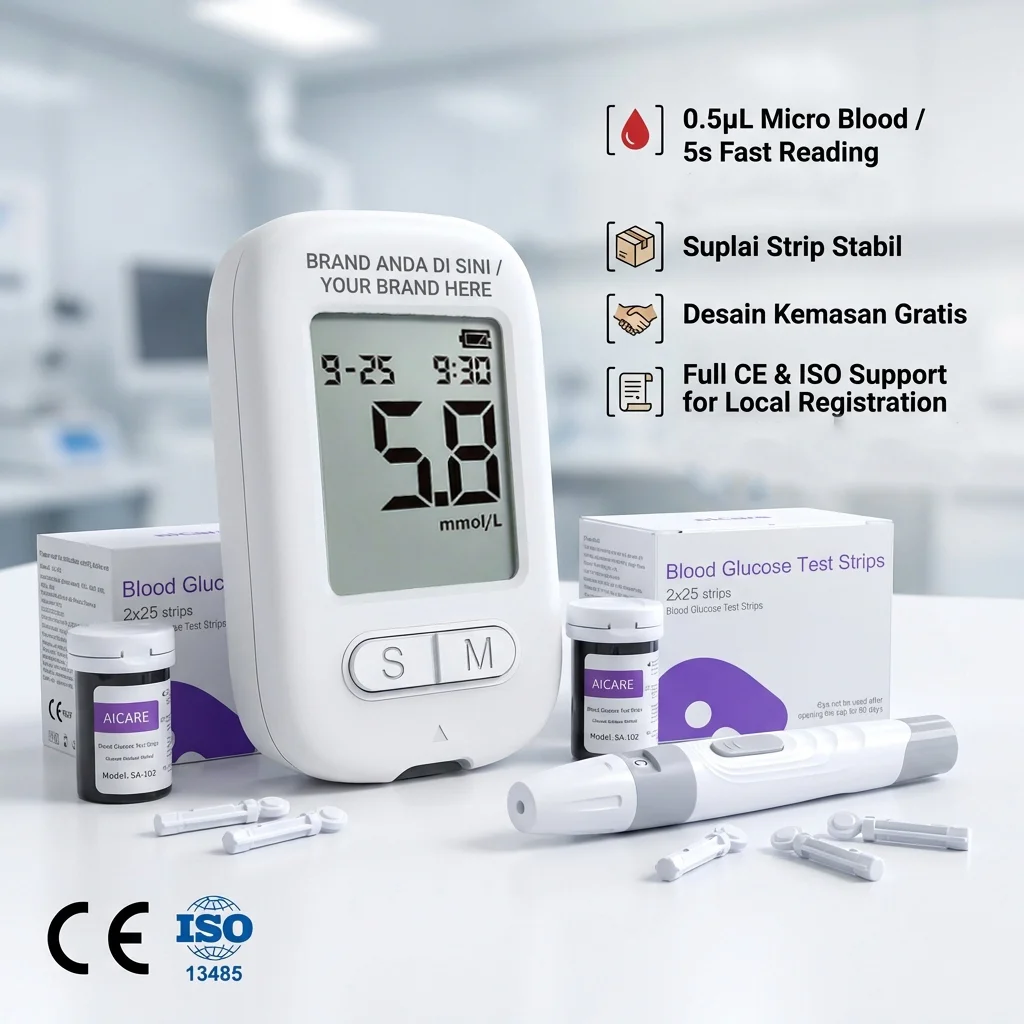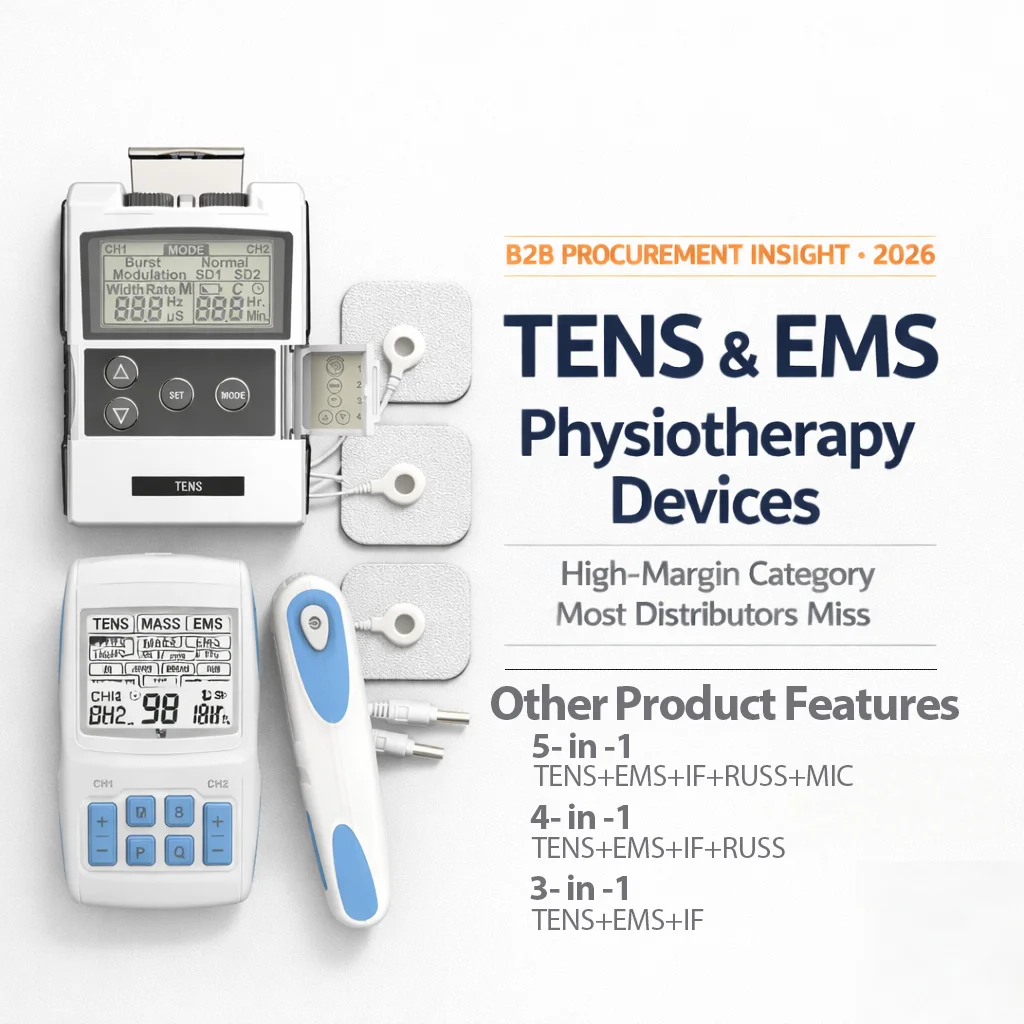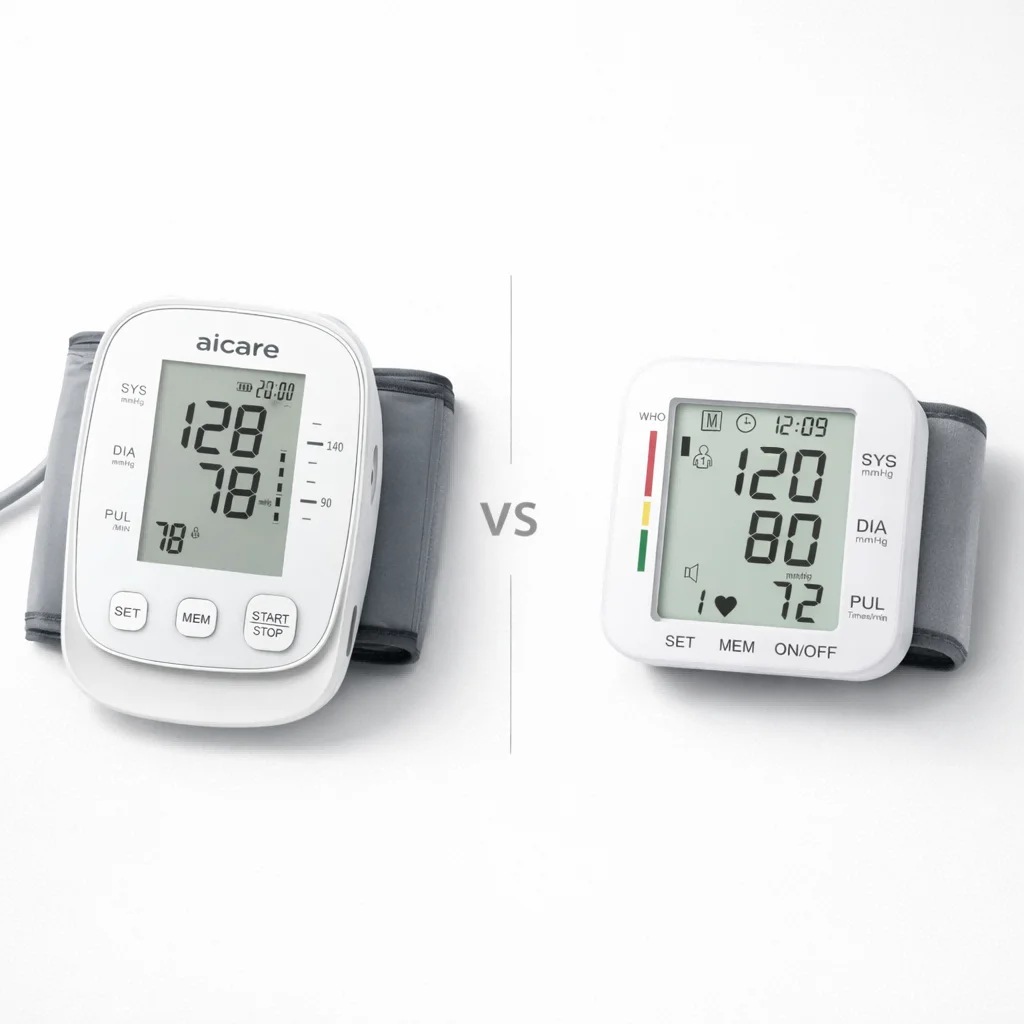
Most people know sleep matters for feeling sharp the next day, but fewer realize how directly it affects blood pressure and blood sugar control—especially as we age.
When sleep falls short (under 7 hours) or gets fragmented, the body releases more cortisol and other stress hormones. These tighten blood vessels, raising blood pressure, and reduce insulin sensitivity, making blood sugar harder to manage overnight.
Large studies, including those reviewed by the American Heart Association, show adults who consistently sleep poorly have higher rates of hypertension and type 2 diabetes. Even one or two bad nights can cause noticeable spikes the following day.
The reverse is also true: steady, quality sleep helps keep both numbers more stable. It gives the cardiovascular system time to recover and allows insulin to work more efficiently.
Simple patterns that support better rest:
Small, consistent improvements in sleep often lead to measurable differences in daily blood pressure and glucose readings over time—no dramatic changes needed.
Prioritizing rest remains one of the most underrated ways to support long-term heart and metabolic health.
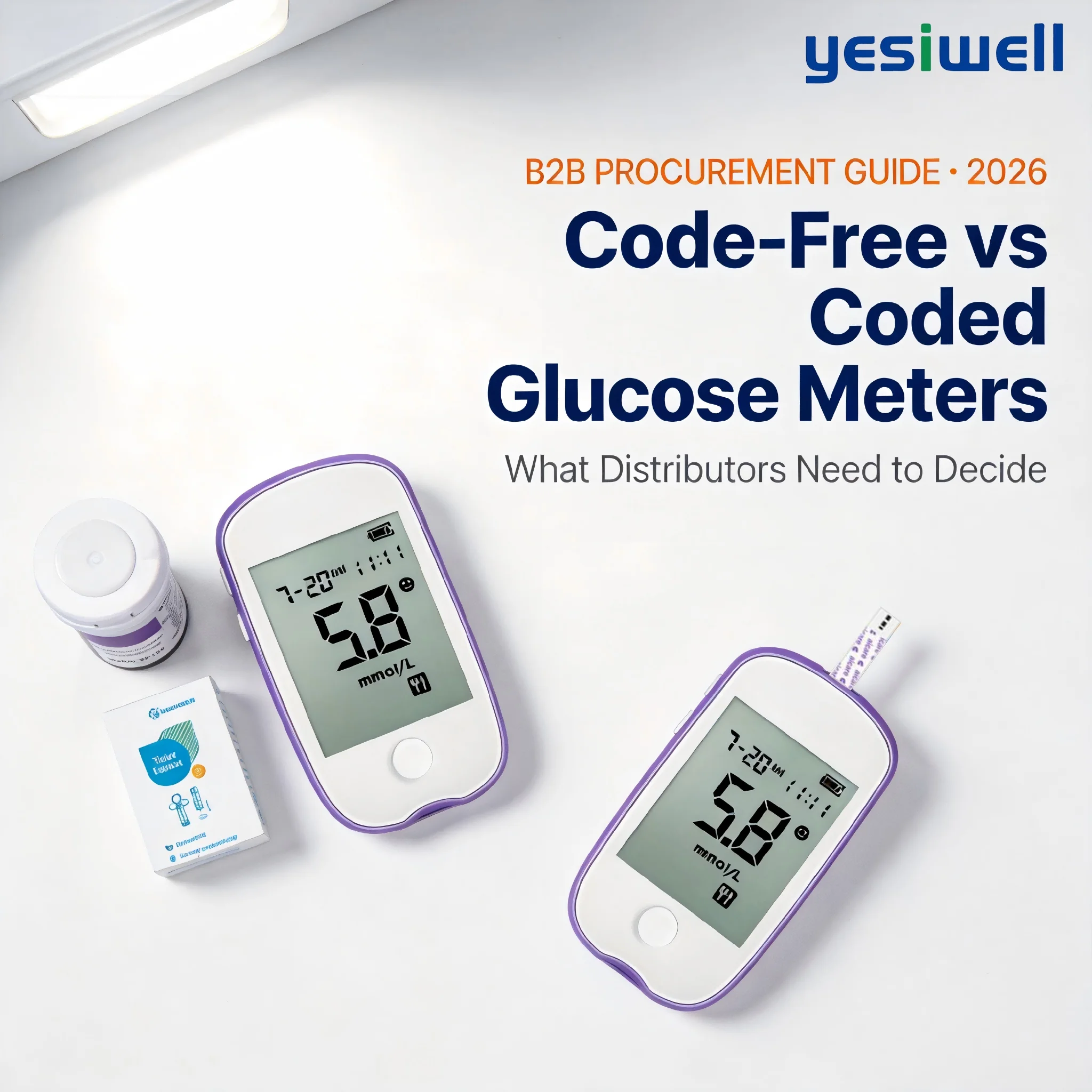
Most distributors default to code-free without asking why. The choice has real implications for your market, your margins, and how often customers call your support line.
READ MORE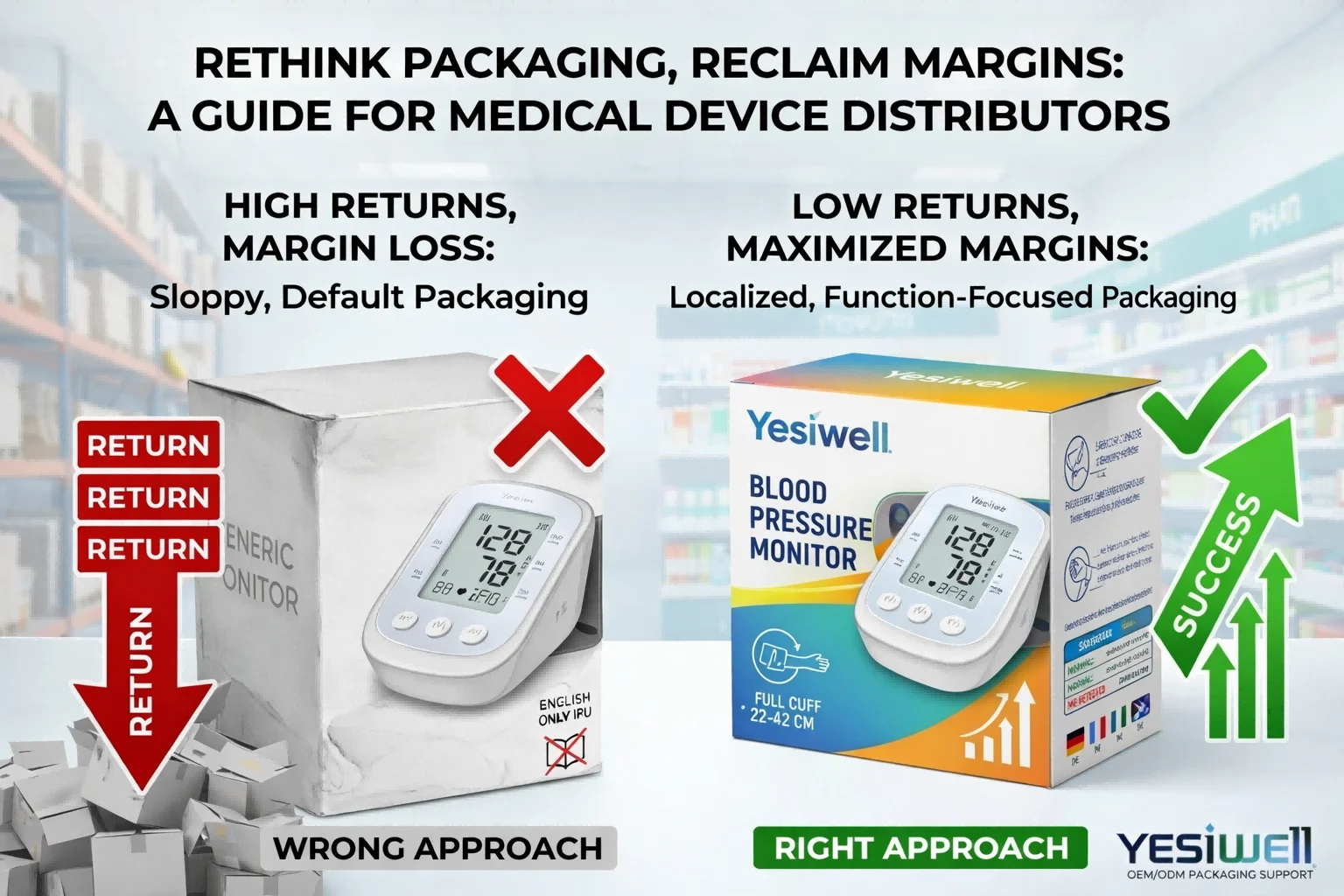
Poor packaging drives returns, compliance failures, and low sell-through. A practical OEM guide for distributors building private-label medical devices.
READ MOREIf you are interested in our products, you can choose to leave your information here, and we will be in touch with you shortly.