1. What Is Considered a Normal Body Temperature?
The commonly accepted average body temperature is 98.6°F (37°C), but this number can vary slightly from person to person. Factors such as age, activity level, time of day, and even the method of measurement (oral, ear, or forehead) can affect the reading.
In general, a healthy adult’s temperature usually ranges between 97°F (36.1°C) and 99°F (37.2°C). For infants and children, normal readings tend to be slightly higher due to faster metabolism.
Regular monitoring with a digital thermometer helps you understand your own baseline, making it easier to detect unusual changes that may signal illness.
2. What Defines a Fever?
A fever occurs when the body temperature rises above its normal range — typically 100.4°F (38°C) or higher. Fever itself is not an illness but a natural response by the immune system to fight infections such as the flu, cold, or other viral and bacterial conditions.
While mild fevers can help the body recover, persistent or high fever may indicate a more serious condition that requires medical attention.
3. How to Measure Temperature Accurately
Accuracy depends on both the device and the method used. Here are key tips for correct measurement:
Use a reliable digital thermometer rather than mercury models for safety and precision.
Measure in the same area consistently (e.g., underarm, oral, or ear) for tracking trends.
Avoid eating, drinking, or exercising right before taking a reading.
Clean the thermometer properly after each use to maintain hygiene.
Modern infrared thermometers and ear thermometers allow for non-contact measurement, which is especially useful for children or when checking multiple people quickly.
4. When to Be Concerned About Fever
Mild fevers (below 101°F or 38.3°C) are usually not dangerous and can be managed with rest and hydration.
However, medical help should be sought if:
Fever persists for more than three days
Temperature exceeds 103°F (39.4°C)
Accompanied by symptoms such as rash, breathing difficulty, confusion, or dehydration
Monitoring temperature regularly can help determine whether a fever is improving or worsening.
5. Reliable Home Thermometers for Everyday Health
Having a thermometer at home is an essential part of preventive healthcare. It allows families to track health conditions quickly and respond appropriately.
Yesiwell offers a range of digital thermometers and infrared thermometers designed for accuracy, ease of use, and comfort. Each device meets international safety standards, providing reliable readings for both adults and children.
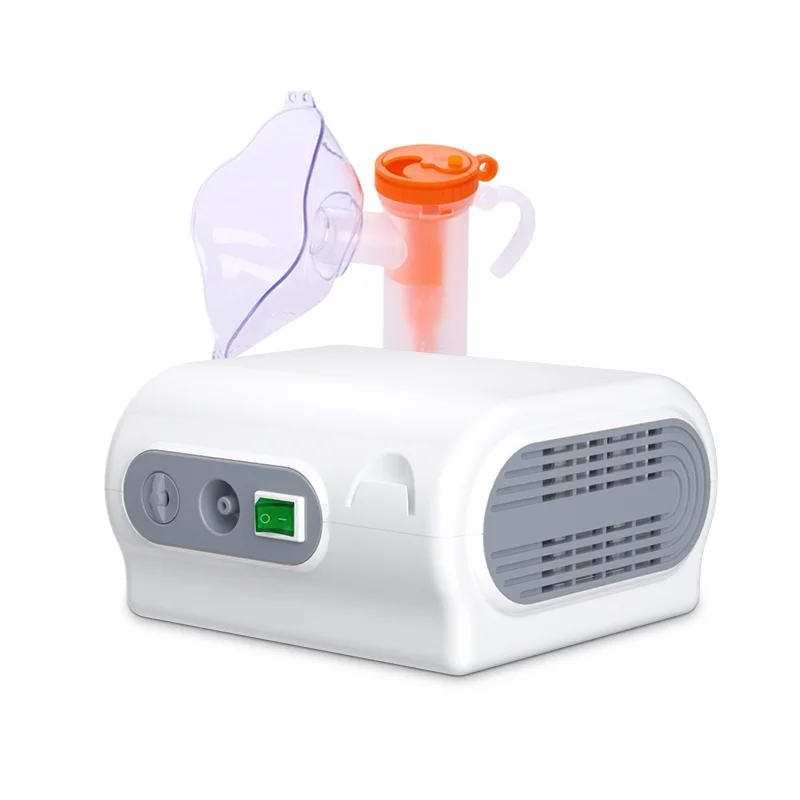
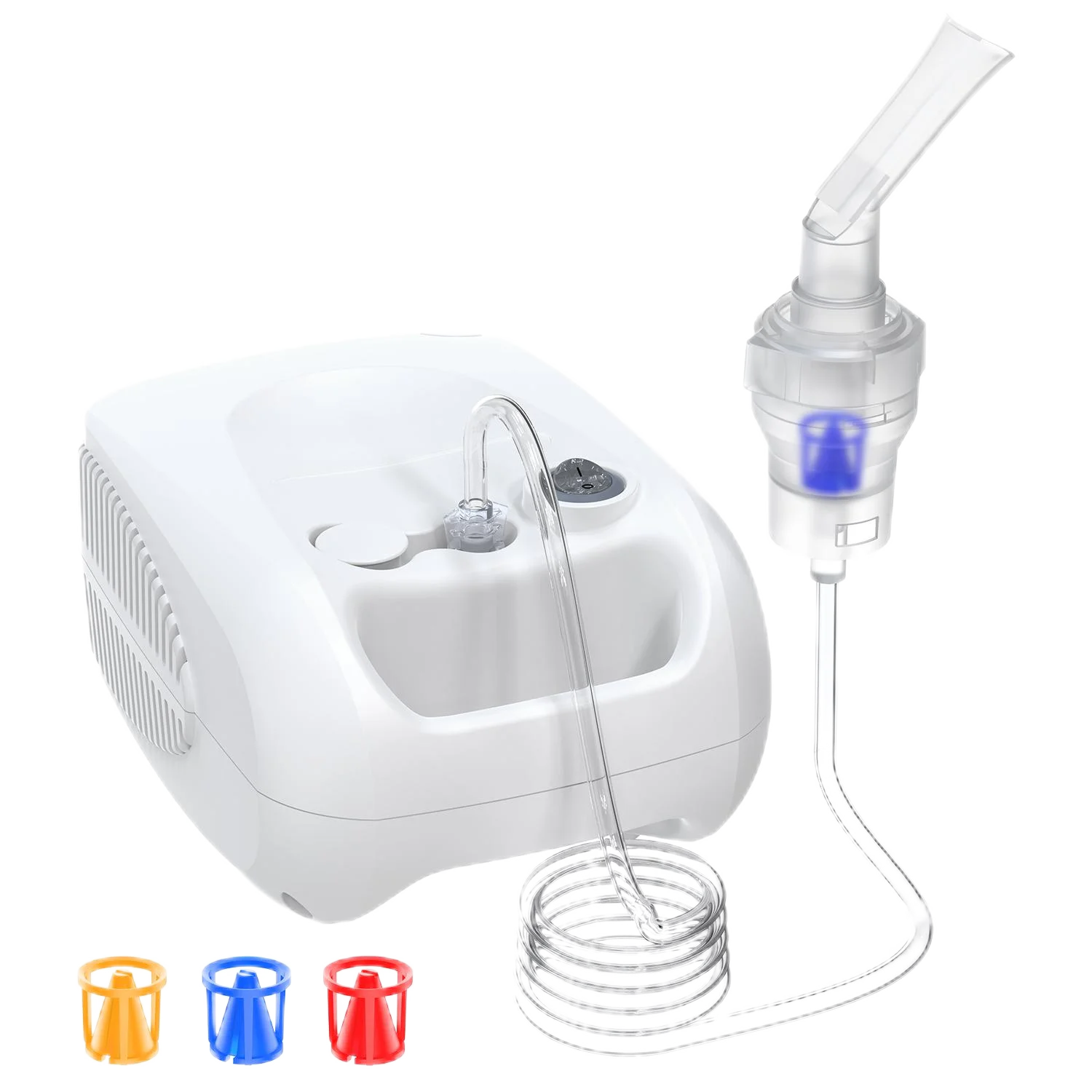
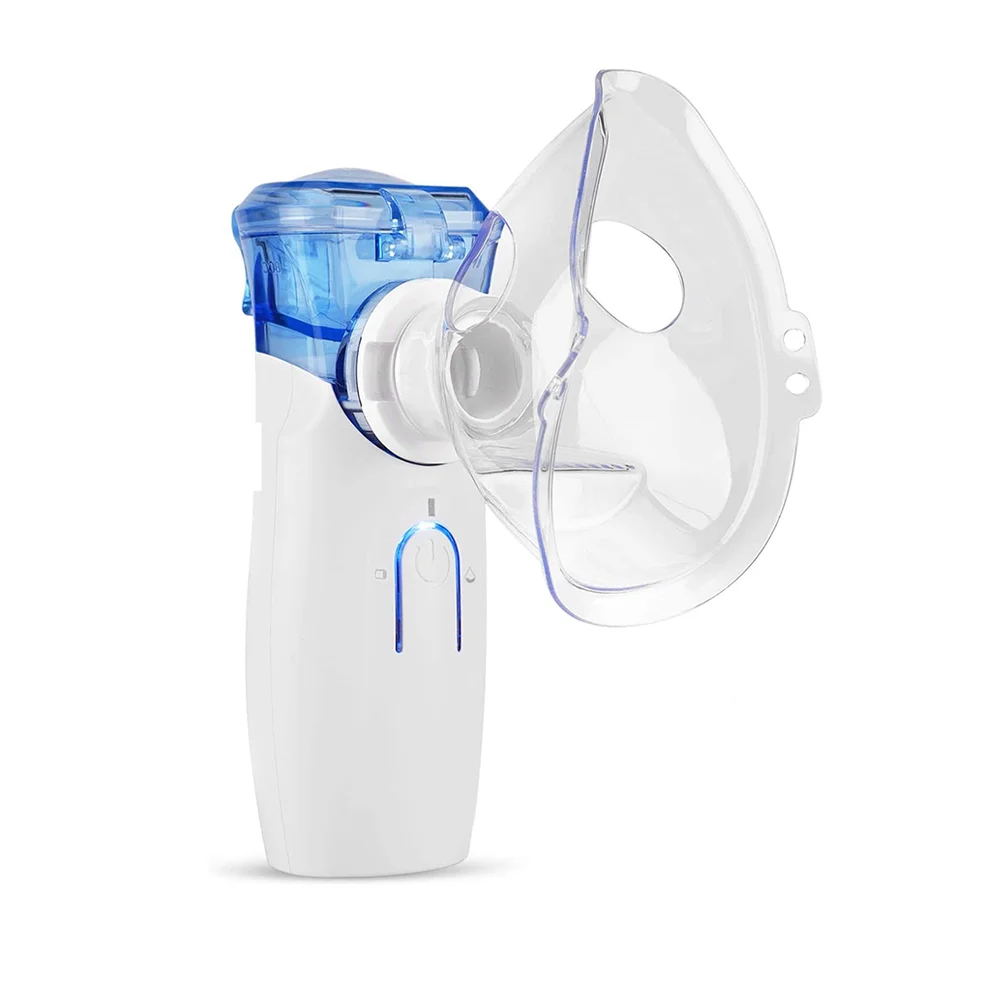
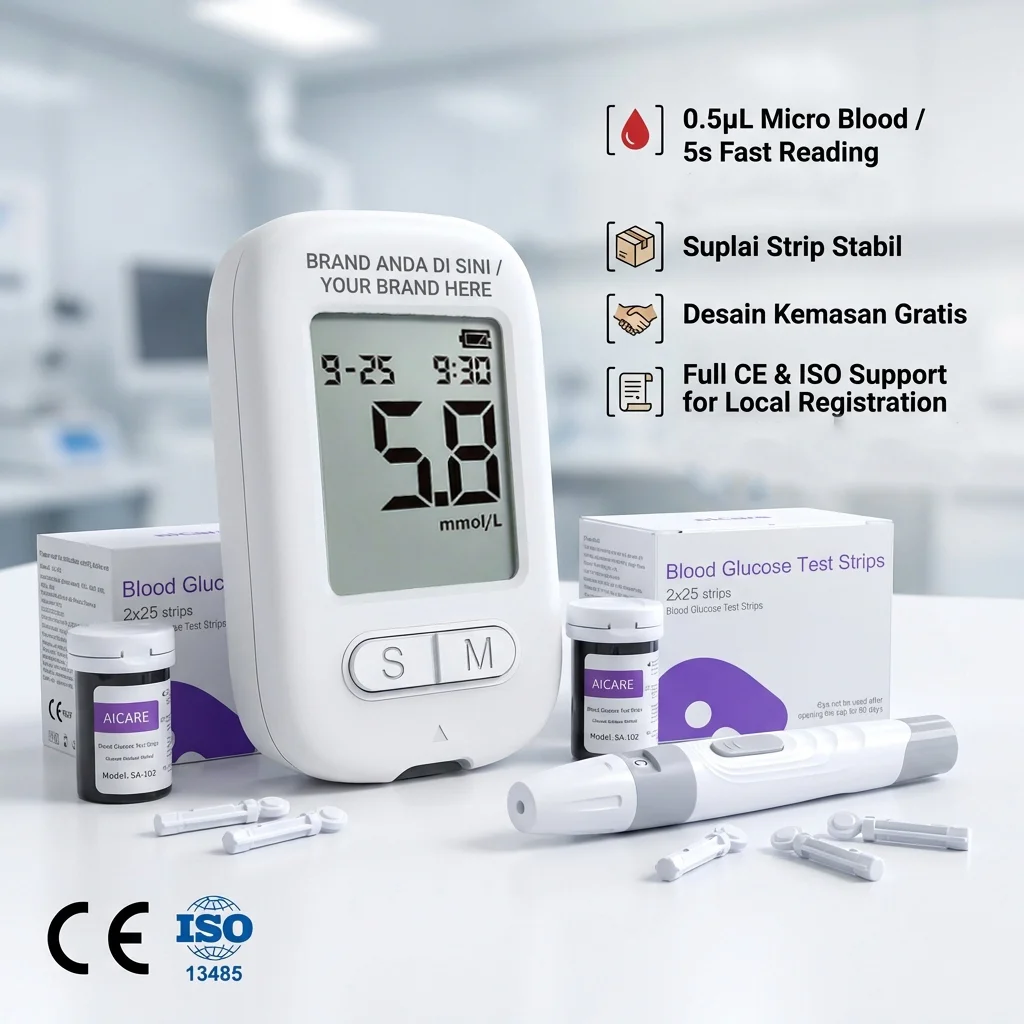
As part of its broader commitment to home healthcare innovation, Yesiwell continues to develop trusted products including blood pressure monitors, blood glucose meters, and nebulizers, helping users take control of their health with confidence and convenience.
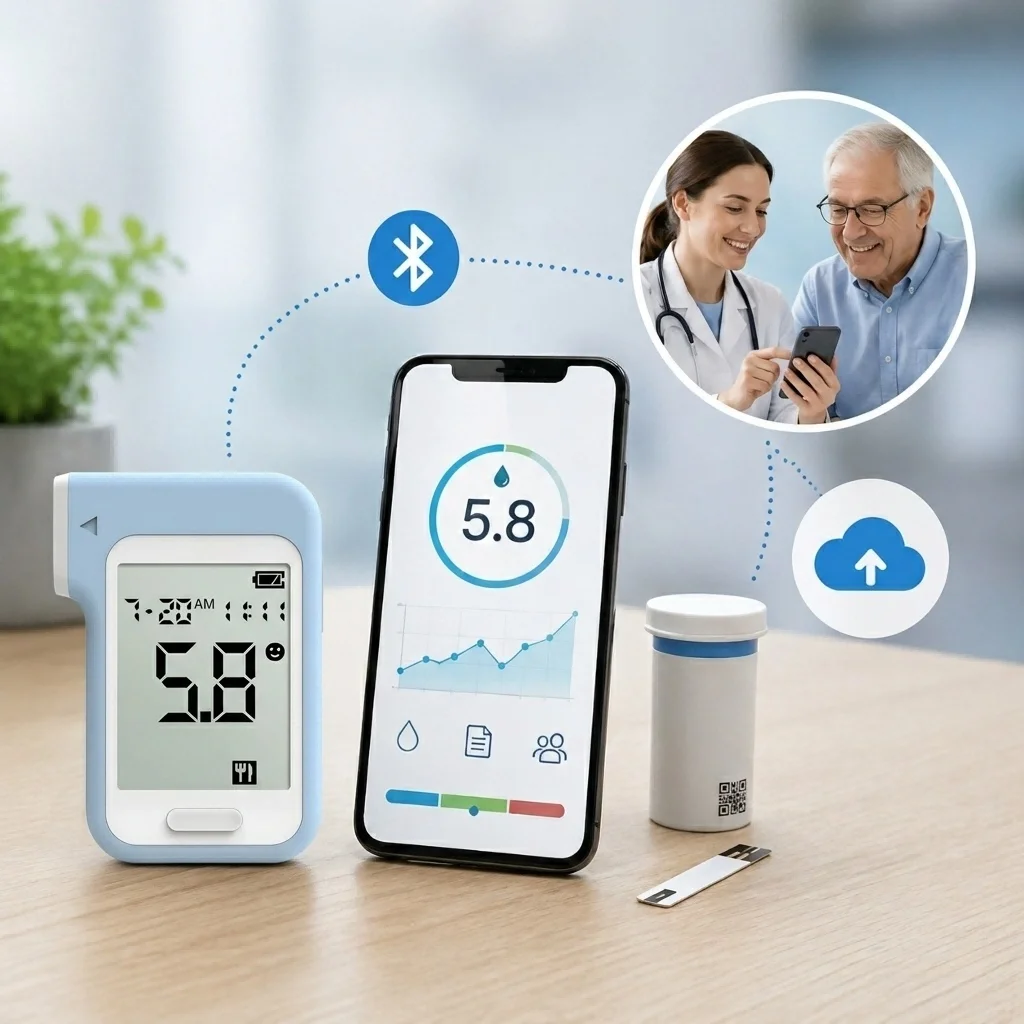
Connected glucose meters carry a higher price and more complex support requirements. Yesiwell's B2B guide helps distributors decide when the smart category is worth adding.
READ MORE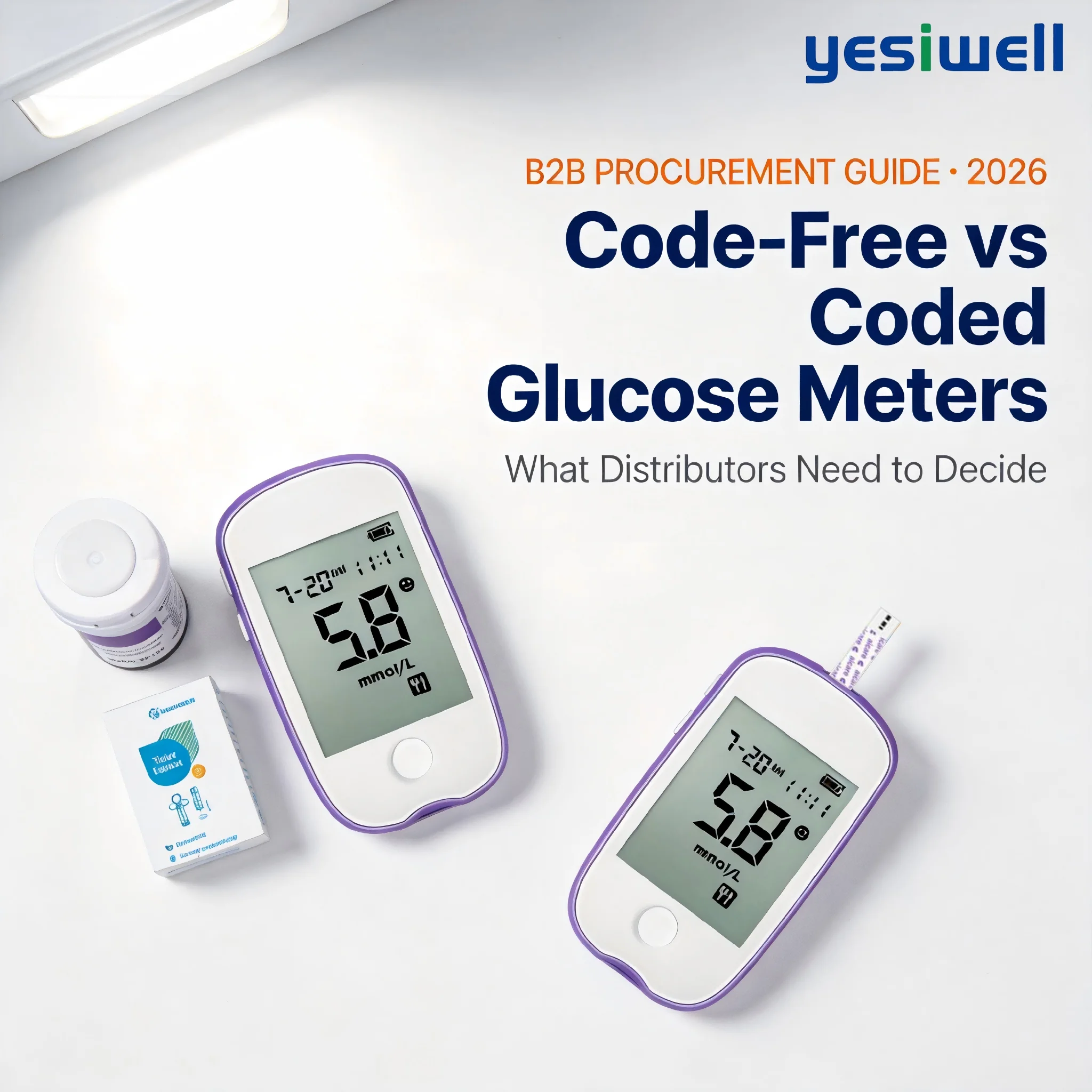
Most distributors default to code-free without asking why. The choice has real implications for your market, your margins, and how often customers call your support line.
READ MOREIf you are interested in our products, you can choose to leave your information here, and we will be in touch with you shortly.