What Is Blood Pressure?
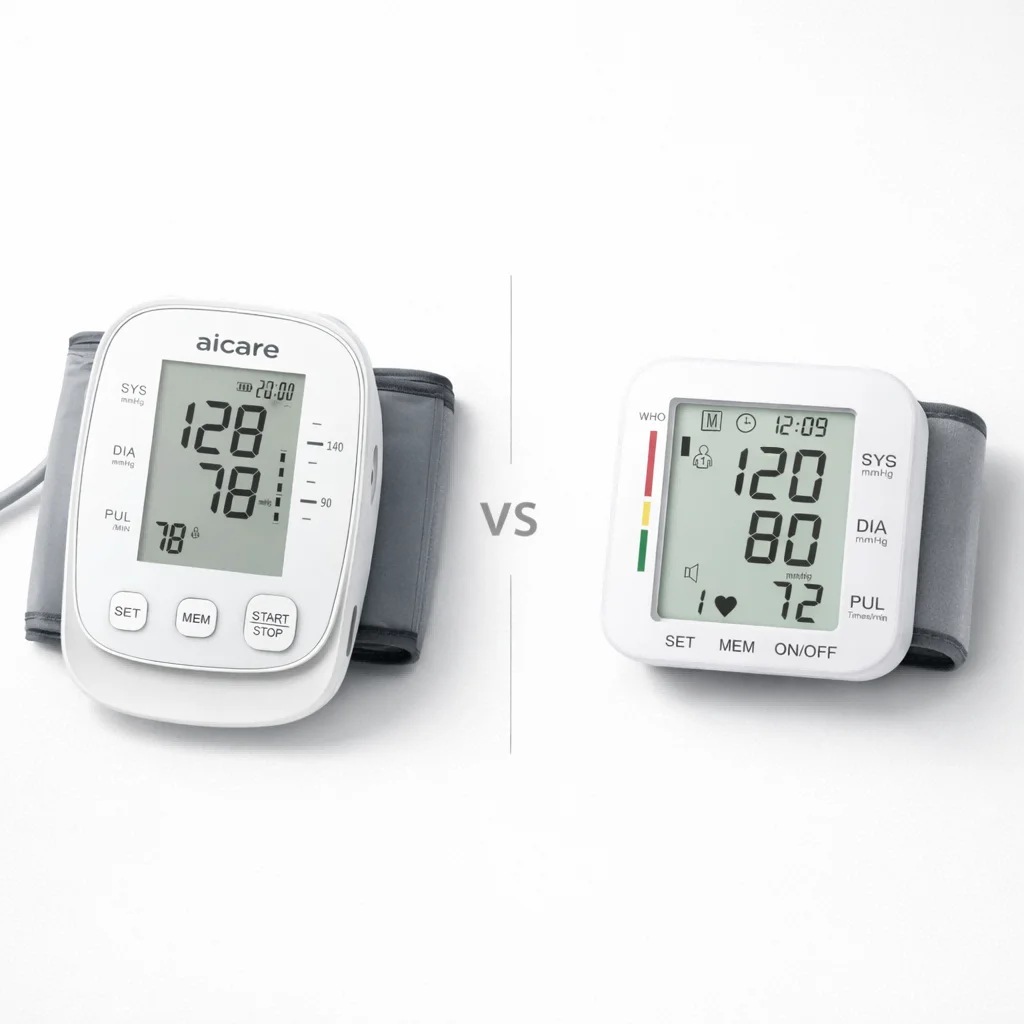
Blood pressure refers to the force of blood pushing against the walls of the arteries as the heart pumps. It is expressed using two numbers: systolic pressure and diastolic pressure.Systolic pressure (the top number) measures the pressure when the heart contracts. Diastolic pressure (the bottom number) measures the pressure when the heart relaxes between beats.
A reading of 120/80 mmHg is commonly recognized as a normal range for healthy adults. When these values rise above or fall below the expected numbers, it indicates that the heart, blood vessels, or overall circulation may not be functioning efficiently. Understanding these values helps users evaluate their cardiovascular health and highlights the importance of regular home monitoring.
1. The Risks of High Blood Pressure
Hypertension is one of the most common chronic conditions worldwide. It often develops without noticeable symptoms, which is why it is frequently called a “silent risk.” If left unmanaged, high blood pressure can lead to:
Increased risk of heart attack and stroke
Damage to arteries, kidneys, and vision
Chronic fatigue and reduced physical performance
Long-term cardiovascular complications
Even moderate elevation can strain the heart and blood vessels over time, making early detection and daily monitoring vital.
2. The Risks of Low Blood Pressure
While low blood pressure receives less attention, it can also cause significant health issues. Hypotension may lead to:
Dizziness, lightheadedness, or fainting
Blurred vision
Weakness and fatigue
Difficulty concentrating
Reduced blood flow to the brain and vital organs
Sudden drops in blood pressure can be dangerous, especially for older adults or those with existing health conditions.
3. Common Symptoms That Should Not Be Ignored
Whether blood pressure is too high or too low, certain symptoms indicate a need for immediate attention. Warning signs may include:
Persistent headaches or pressure in the head
Chest discomfort
Irregular heartbeat
Shortness of breath
Severe fatigue or unexplained weakness
Fainting episodes or loss of balance
Observing these symptoms consistently is a clear signal to measure blood pressure and evaluate whether medical consultation is necessary.
4. How to Manage Abnormal Blood Pressure at Home
Lifestyle adjustments can help stabilize blood pressure before it reaches dangerous levels. Recommended steps include:
Reducing sodium intake
Staying hydrated
Maintaining regular physical activity
Getting adequate rest
Avoiding excessive caffeine or alcohol
Monitoring changes using a digital blood pressure monitor For individuals with existing conditions, following medical guidance and taking prescribed medication consistently is essential.
5. When to Seek Medical Attention
Professional evaluation becomes important when:
Blood pressure readings consistently exceed 140/90 mmHg
Readings remain below 90/60 mmHg with symptoms
Symptoms worsen despite home management
There is chest pain, severe headache, or sudden vision changes
Timely medical assessment can prevent complications and help determine whether treatment adjustments are needed.
6. The Role of Home Blood Pressure Monitors
Accurate and consistent home measurement is one of the most effective tools for identifying changes early. A home blood pressure monitor allows users to:
Track daily fluctuations
Record long-term trends
Share data with healthcare providers
Adjust lifestyle habits more effectively
Yesiwell’s digital blood pressure monitors are designed for reliable measurement, clear results display, and comfortable daily use. Each device meets international standards and supports long-term home healthcare needs.
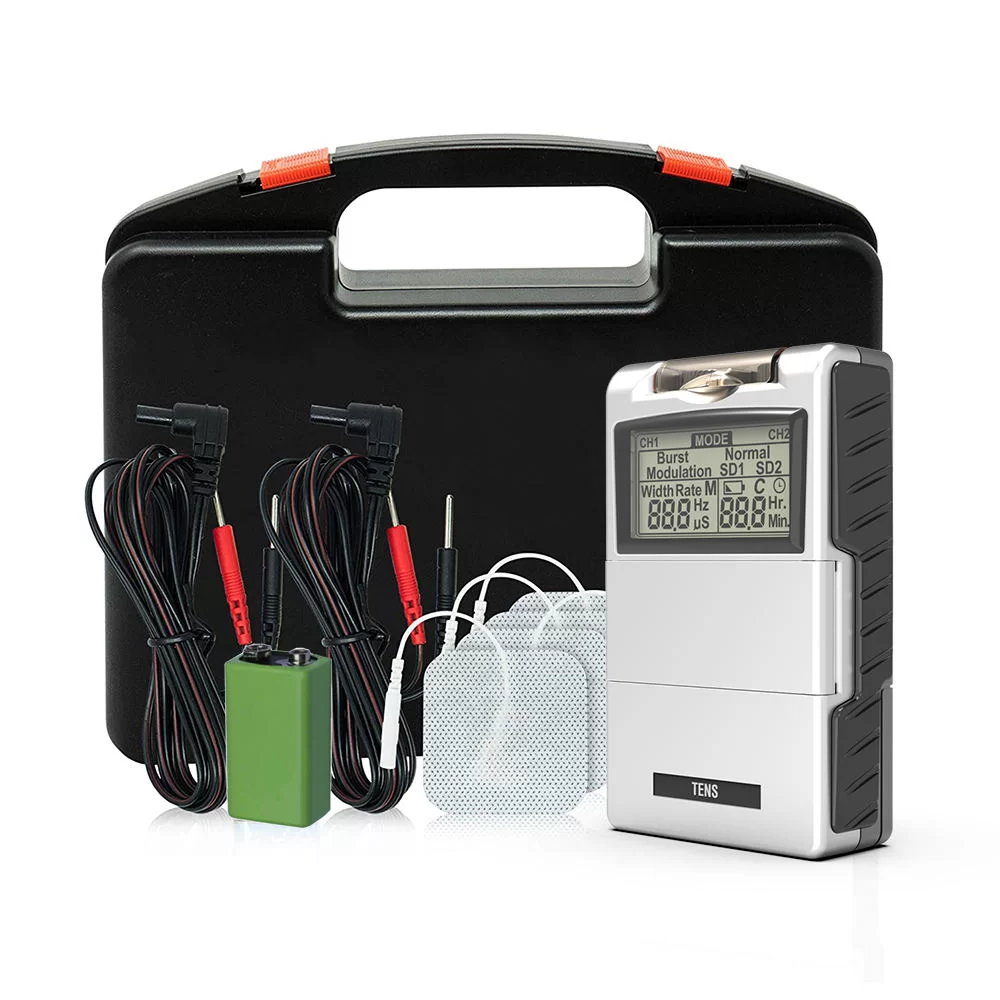
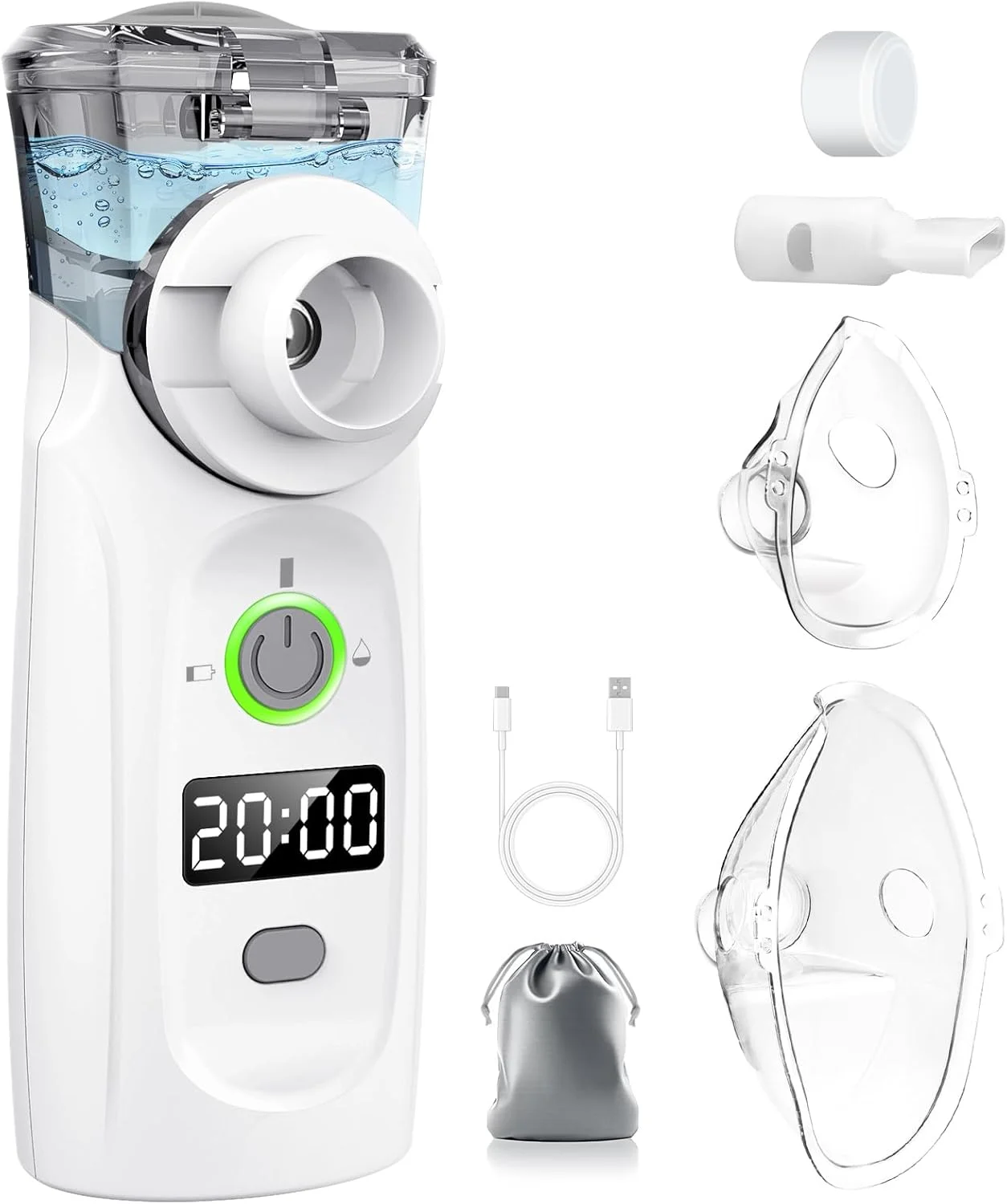
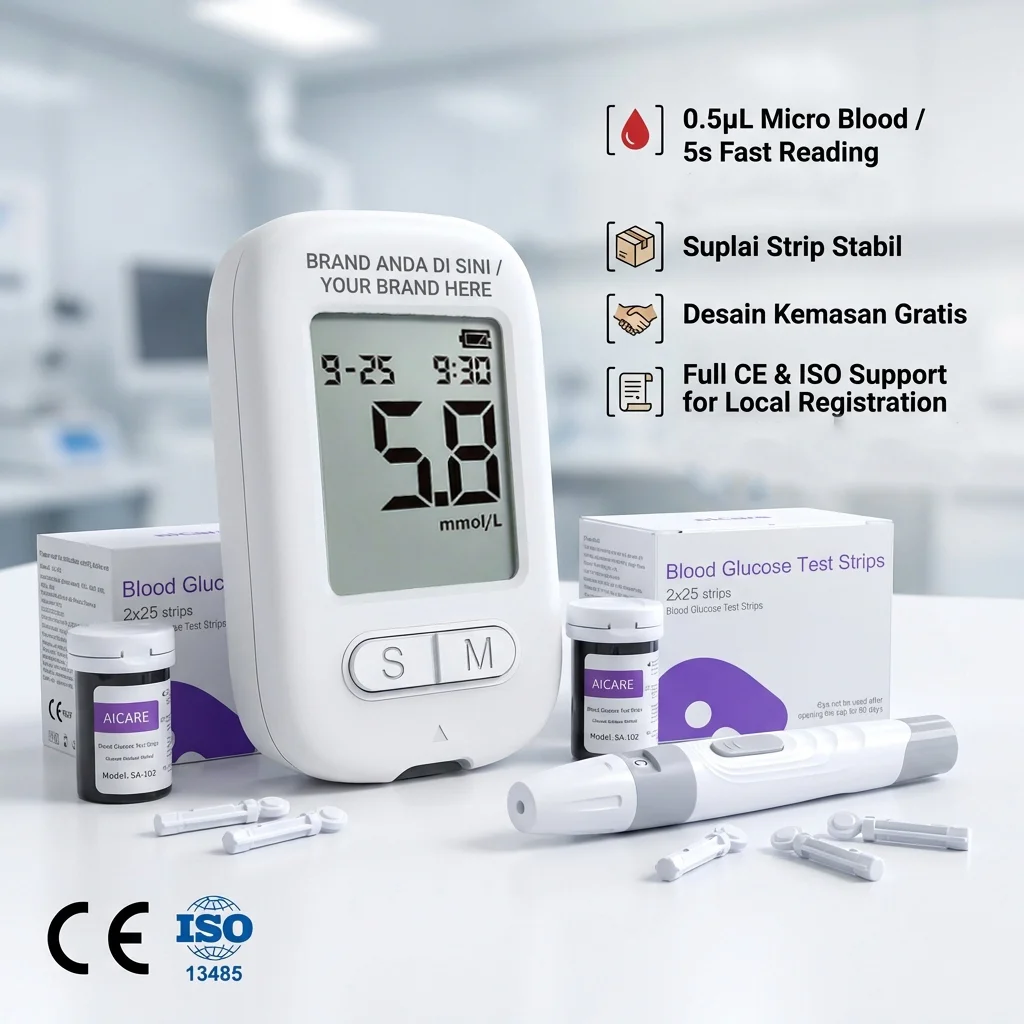
As part of a broader range of medical devices — including blood glucose meters, thermometers, and nebulizers — Yesiwell provides practical tools that help individuals manage their health with clarity and confidence.
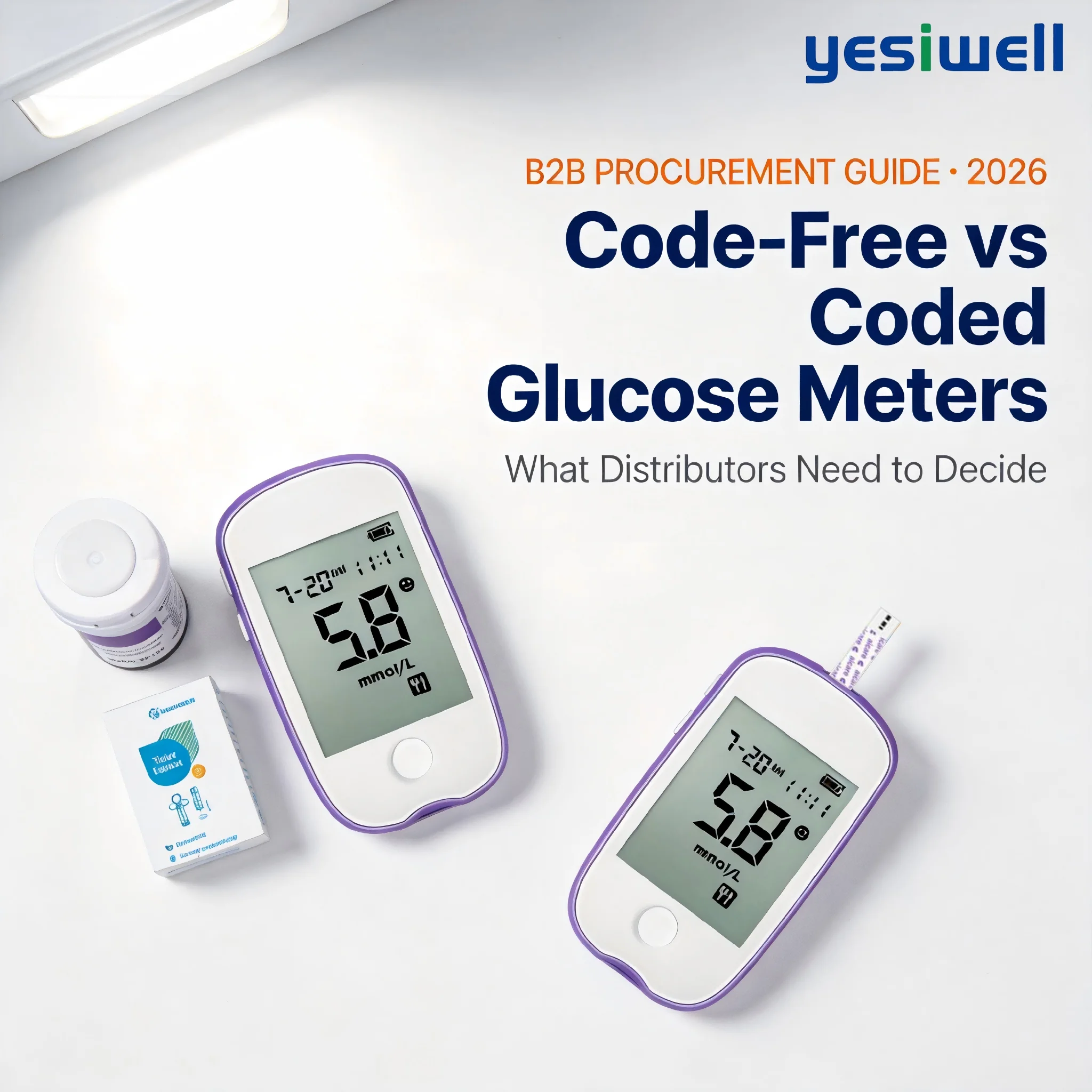
Most distributors default to code-free without asking why. The choice has real implications for your market, your margins, and how often customers call your support line.
READ MORE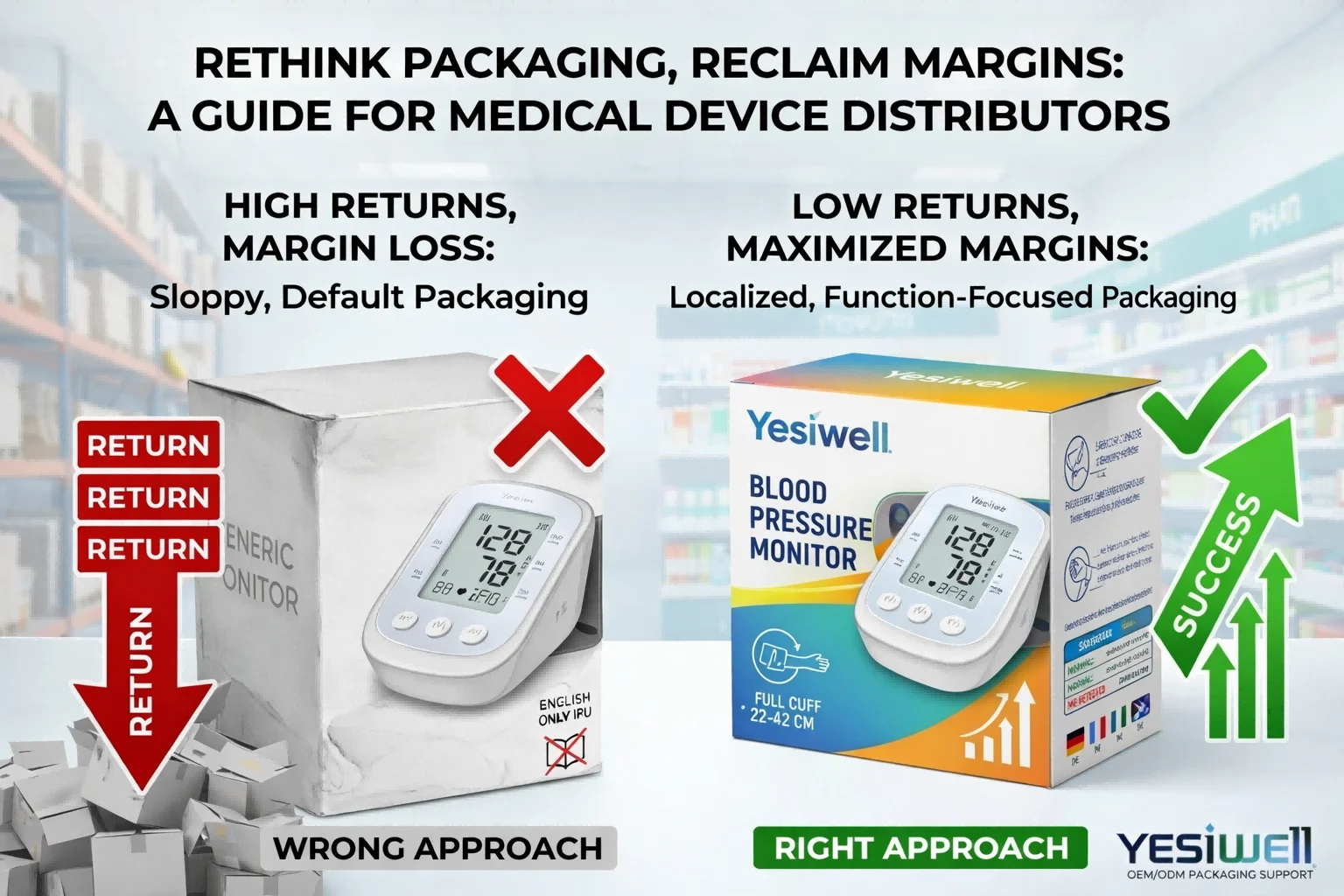
Poor packaging drives returns, compliance failures, and low sell-through. A practical OEM guide for distributors building private-label medical devices.
READ MOREIf you are interested in our products, you can choose to leave your information here, and we will be in touch with you shortly.