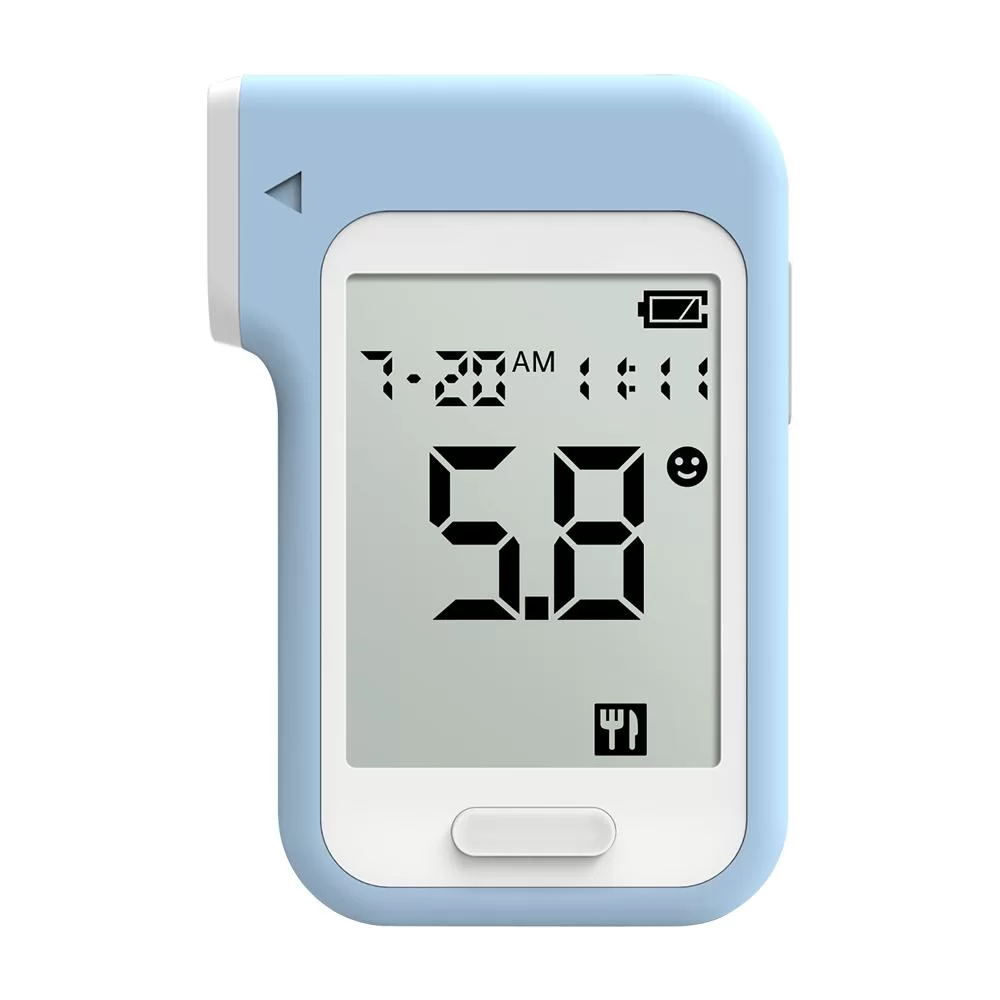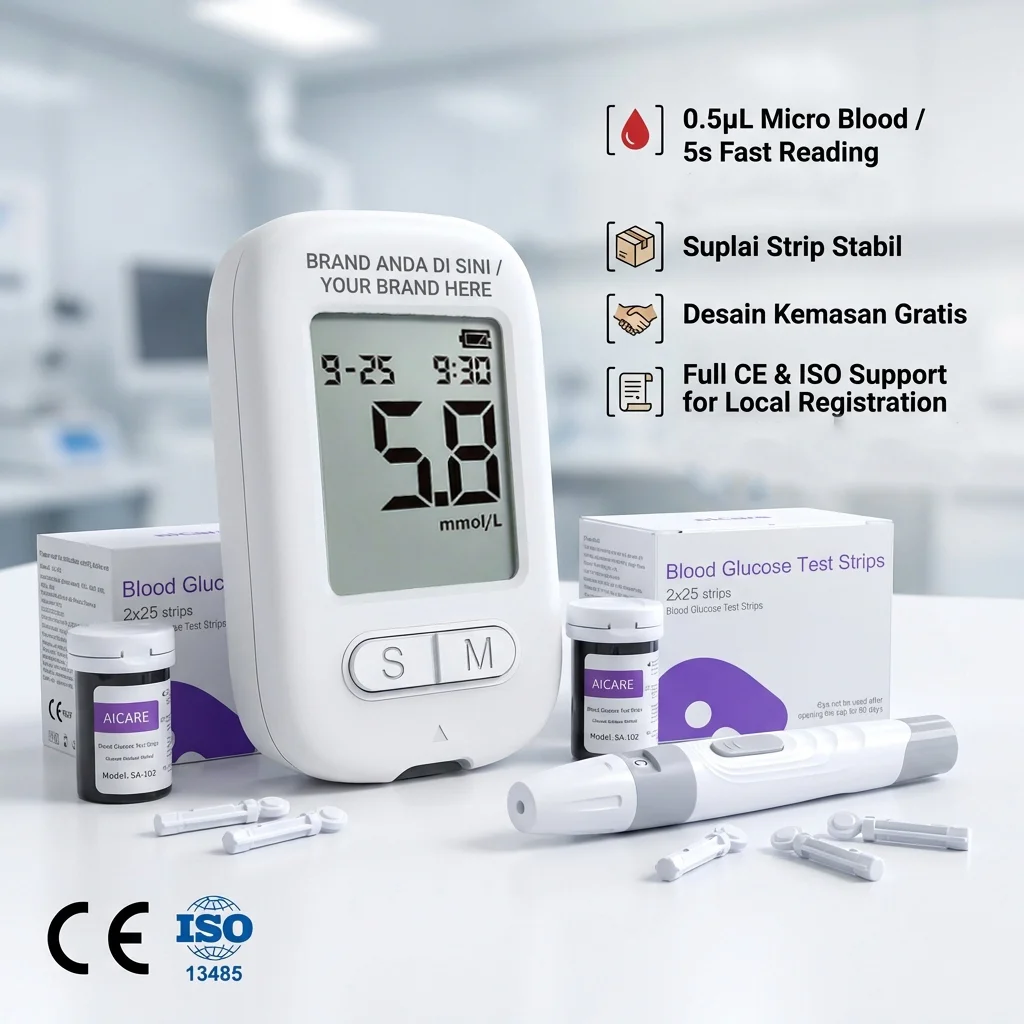
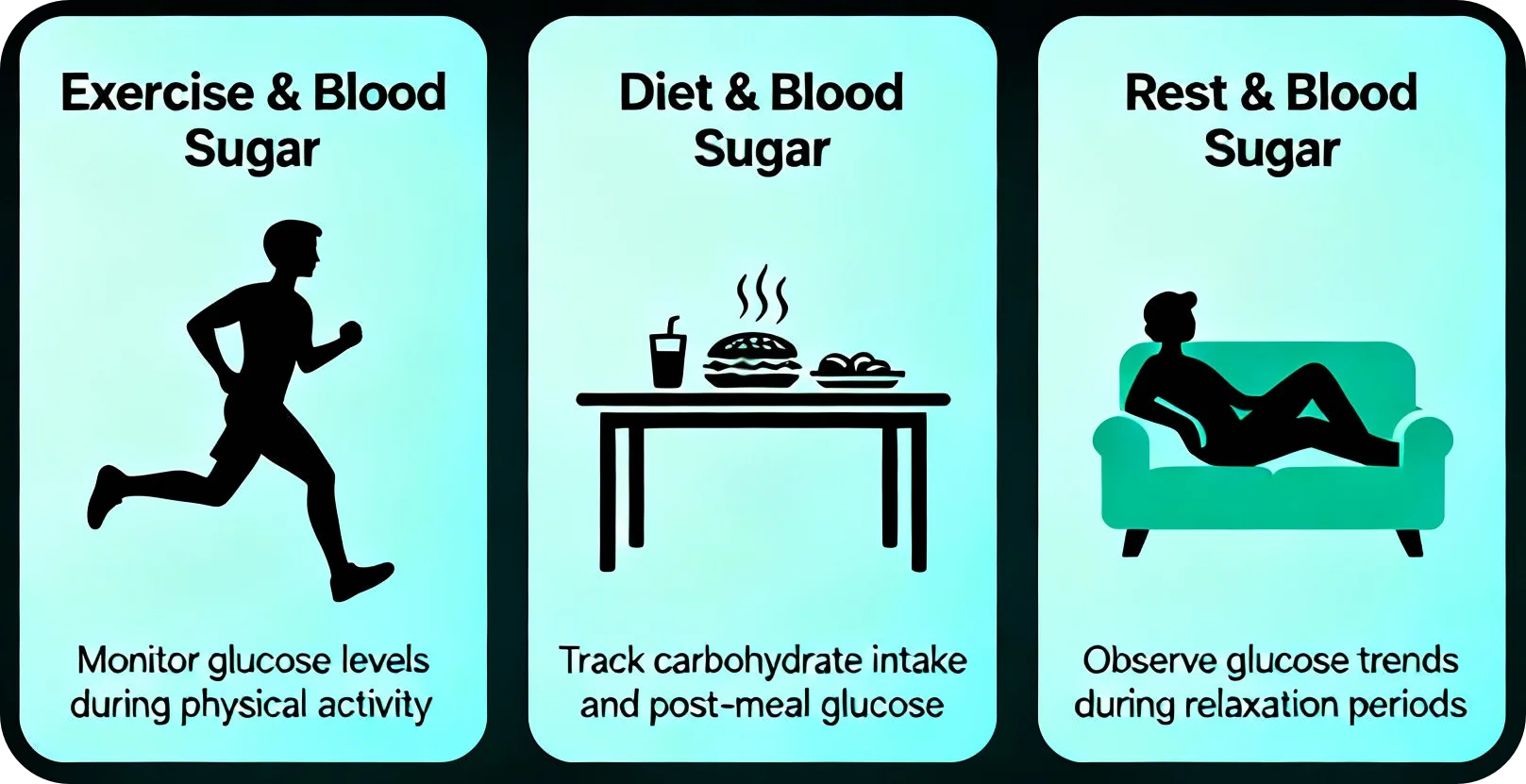
Regular blood glucose monitoring plays a critical role in preventing long-term diabetes complications. Blood sugar levels fluctuate throughout the day due to factors such as diet, physical activity, stress, and medication. By tracking these fluctuations, individuals can identify patterns early and take timely action to stabilize their readings. Consistent monitoring also helps users understand how daily habits affect their glucose levels, enabling more informed decisions about diet and lifestyle. For individuals at risk of diabetes or those already diagnosed, routine testing supports early detection of abnormal trends that may indicate worsening metabolic control, reducing the likelihood of complications such as nerve damage, kidney impairment, vision problems, and cardiovascular strain. Using a reliable blood glucose meter at home also allows users to share accurate records with healthcare professionals, enabling more precise adjustments to treatment plans. With clear data and continuous monitoring, individuals can maintain better long-term stability and protect overall health.
Regular blood glucose monitoring does more than record numbers—it creates a continuous data trail that reveals early warning signs before they escalate into chronic complications. When patients track their readings consistently, they can quickly spot unusual patterns such as persistent morning spikes, unexplained drops, or post-meal surges that indicate impaired glucose tolerance. These early indicators help patients and clinicians intervene with targeted adjustments in medication, diet, and lifestyle, reducing the long-term burden on the cardiovascular and nervous systems. Moreover, long-term monitoring empowers individuals to understand how specific behaviors—sleep quality, stress levels, carbohydrate intake, and physical activity—directly influence their glucose stability. This awareness reduces trial-and-error and strengthens patient adherence, which is a critical driver of improved metabolic control. From a preventive health standpoint, consistent monitoring also allows healthcare providers to identify microvascular risks earlier, including early-stage neuropathy or retinopathy, where prompt management can halt progression. This proactive approach prevents minor abnormalities from developing into irreversible complications that significantly affect quality of life.
Another critical advantage of regular blood glucose monitoring is the ability to translate daily metrics into personalized, long-term health strategies. Blood glucose data, when accumulated over weeks or months, helps create a clear metabolic profile that highlights an individual’s unique risk factors. Instead of relying on occasional clinic checkups, patients gain a real-time understanding of their glycemic stability, enabling faster behavioral corrections that reduce the likelihood of complications such as chronic inflammation, kidney strain, or impaired circulation. This data-driven approach also supports more precise medical interventions. When healthcare professionals can access consistent, accurate home monitoring records, they gain a clearer picture of a patient’s response to treatment, allowing timely optimization of medication dosage, better alignment with meal schedules, and identification of hidden triggers that may worsen glucose variability. Early medication adjustments based on real-world data can prevent long-term damage to vital organs, significantly lowering hospitalization risk. In addition, continuous monitoring fosters a stronger sense of accountability and self-management. Patients who engage with their daily readings often develop a more proactive attitude toward their condition. This shift—from passively managing symptoms to actively preventing deterioration—is a key factor in reducing long-term diabetes complications. Ultimately, structured monitoring gives patients the clarity and confidence needed to make consistent decisions that protect their cardiovascular, renal, and neurological health.
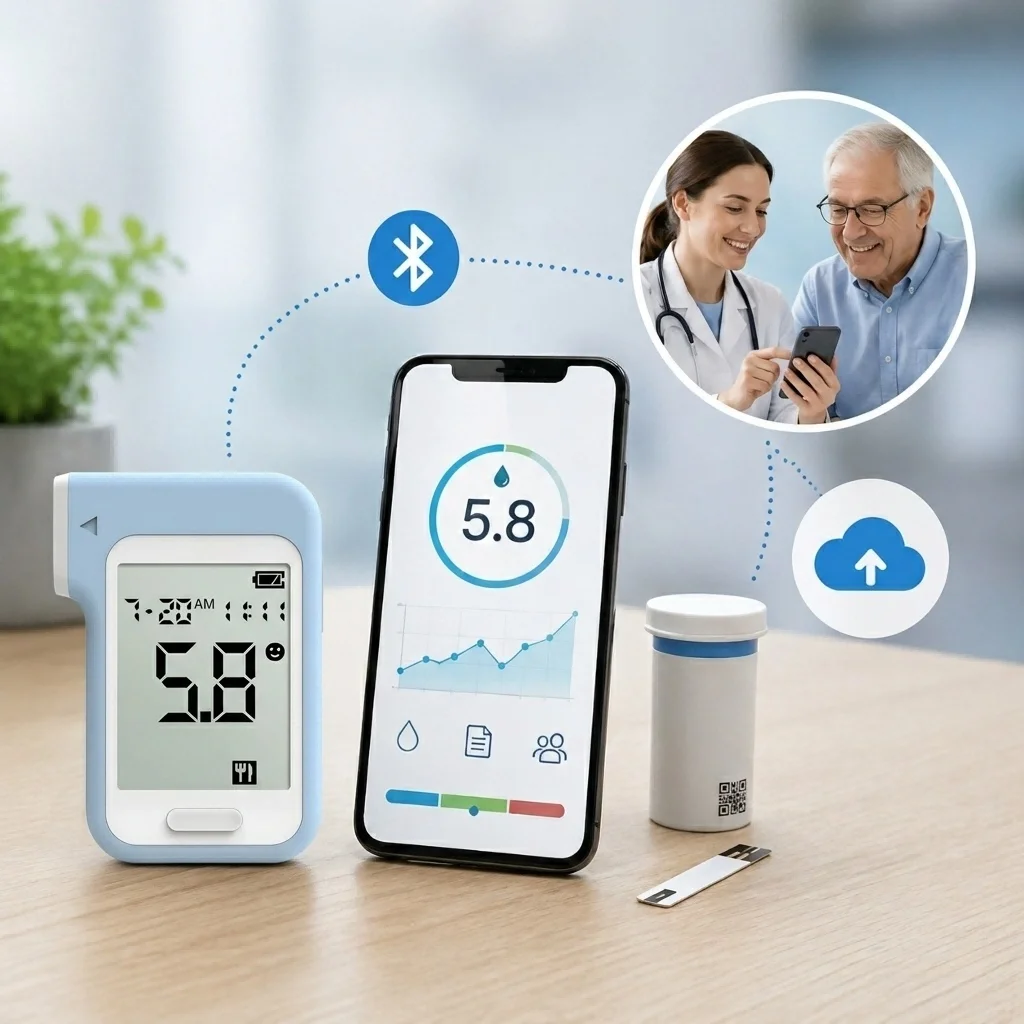
Connected glucose meters carry a higher price and more complex support requirements. Yesiwell's B2B guide helps distributors decide when the smart category is worth adding.
READ MORE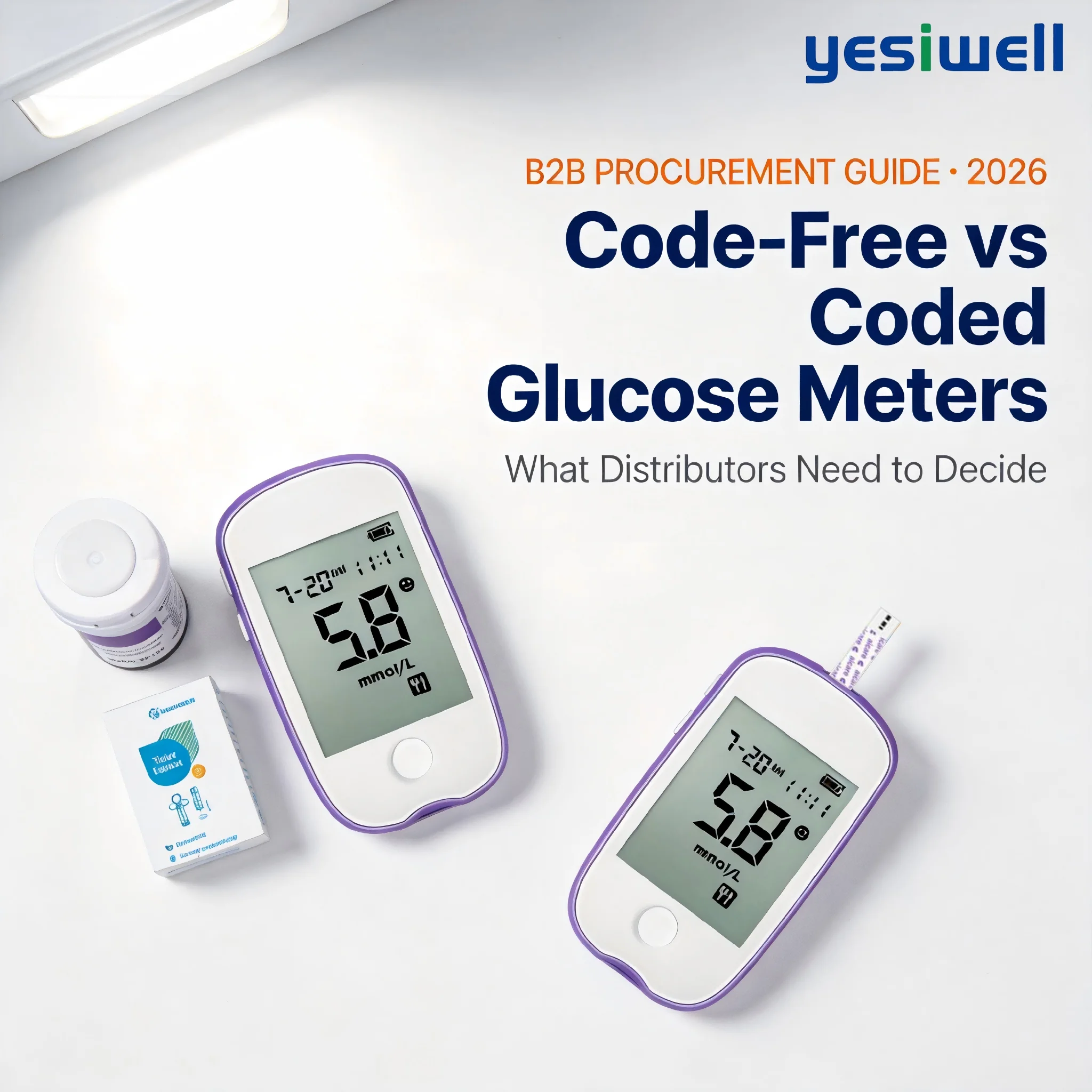
Most distributors default to code-free without asking why. The choice has real implications for your market, your margins, and how often customers call your support line.
READ MOREIf you are interested in our products, you can choose to leave your information here, and we will be in touch with you shortly.