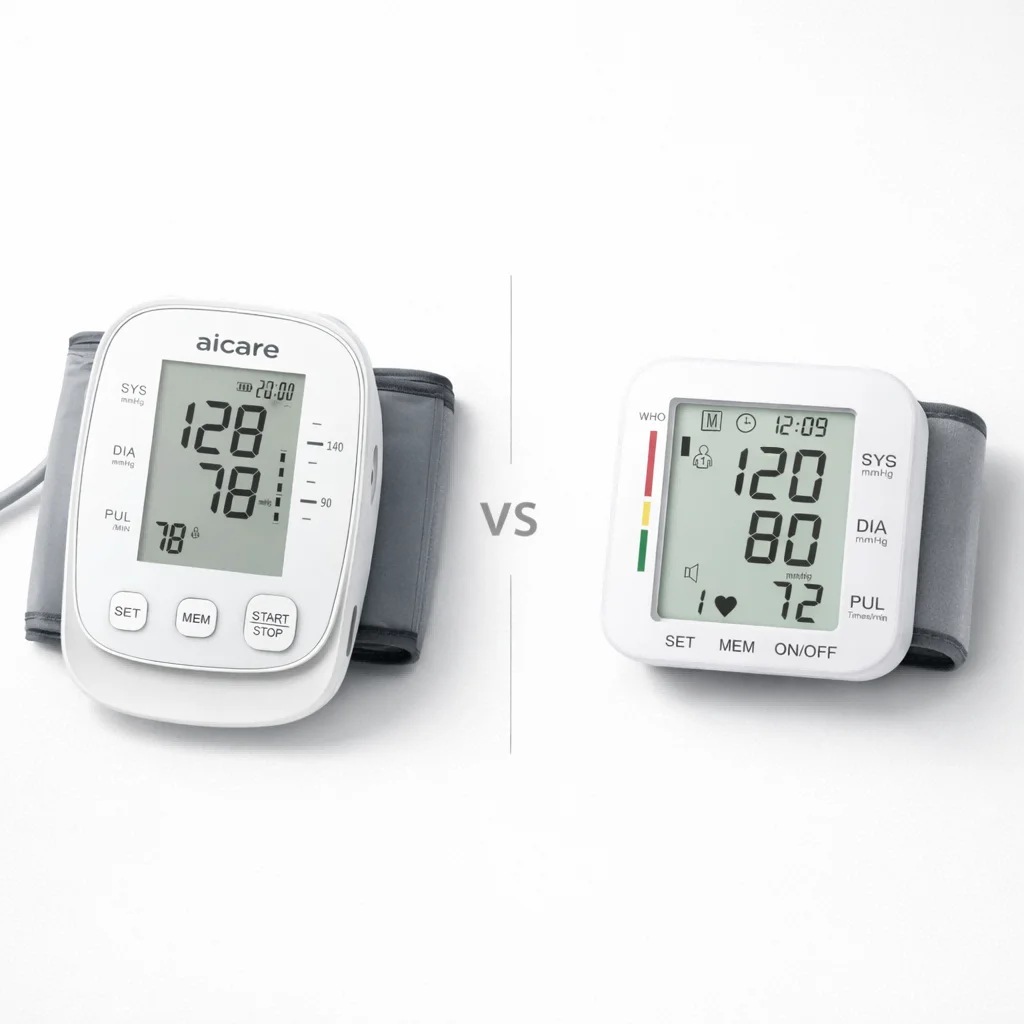
Strategic Analysis | By Yesiwell Medical Intelligence Unit | February 2026
In the diagnostics market, the initial purchase price of a glucose meter is rarely the true indicator of its long-term value. For B2B distributors and healthcare providers, the real economic engine lies in the consumable lifecycle. This report examines the profit structures, supply risks, and clinical consistency factors that determine the success of a monitoring program.
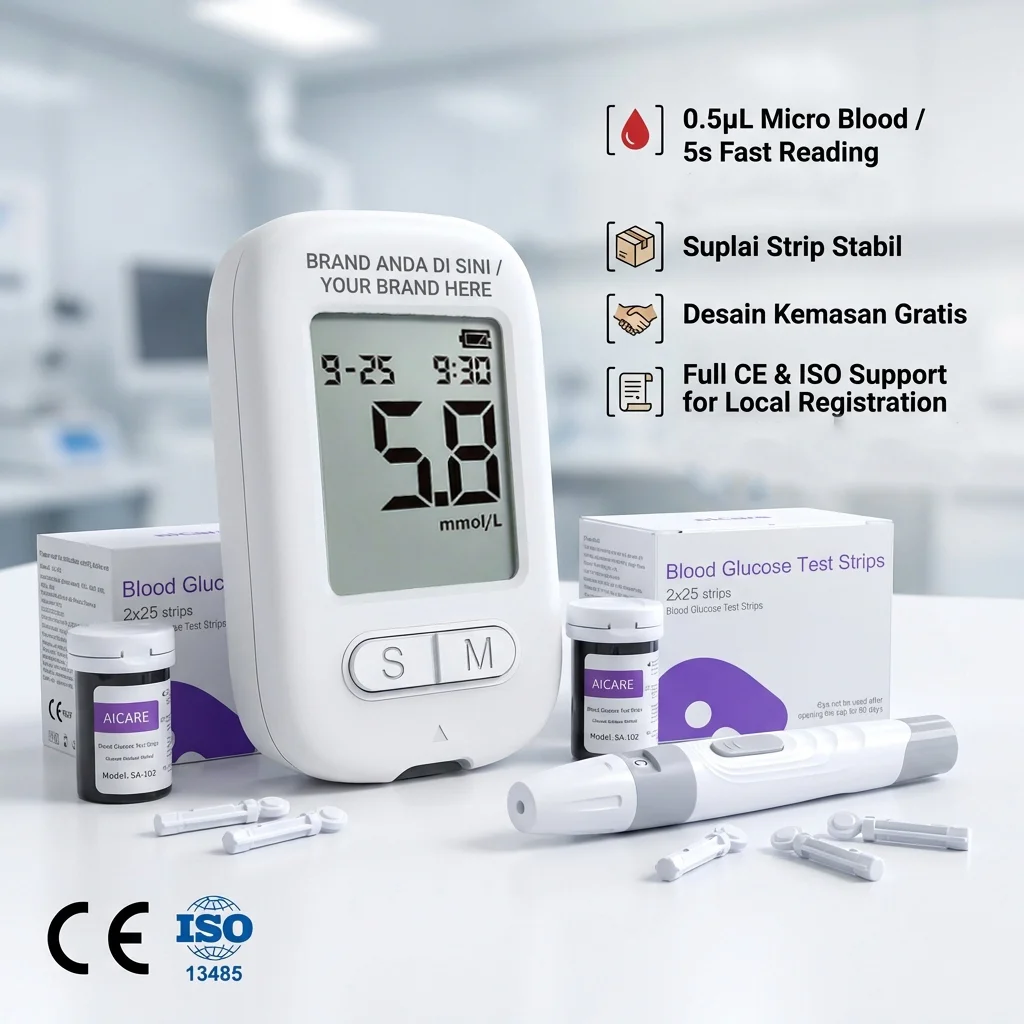
The blood glucose monitoring industry operates on a high-frequency consumable model. While the hardware (the meter) often serves as a low-margin entry point to establish the user base, the sustained revenue is generated through test strips. For distributors, understanding this consumable profit structure is vital.
A meter is a one-time sale, but a diabetic patient may require 3 to 5 strips per day, 365 days a year. The cumulative cost of these strips over a single year can exceed the meter's cost by ten to twenty times. At Yesiwell, we focus on providing our B2B partners with a balanced margin structure that allows for competitive retail pricing without compromising the long-term profitability of the recurring strip sales.
High consumable costs are the primary enemy of user adherence. If test strips are priced too high or are difficult to procure, patients tend to test less frequently, leading to poor clinical outcomes and a drop in recurring revenue for the distributor.
By optimizing manufacturing efficiency, Yesiwell ensures that the price-per-test remains accessible. Sustainable pricing drives consistent testing habits, which in turn secures a steady, predictable demand for our wholesale partners in the EMEA region.
In medical manufacturing, the greatest threat to a brand's reputation is batch inconsistency. Test strips are sensitive biochemical products; a slight deviation in enzyme coating or electrode conductivity during production can result in inaccurate readings.
For a distributor, a single bad batch can lead to massive recalls and a permanent loss of trust from pharmacies and clinics. Yesiwell mitigates this risk through rigorous "In-Process Quality Control" (IPQC) and batch-to-batch calibration checks, ensuring that every strip performs identically to the laboratory standard.
In the current global climate, supply chain stability has become a competitive advantage. B2B partners cannot afford stock-outs of test strips, as patients cannot pause their diabetes management. Yesiwell maintains strategic reserves and diversified logistics routes to ensure uninterrupted supply to Europe and the Middle East.
Furthermore, we recognize that after-sales costs—including technical support and hardware replacements—can erode distributor margins. Our meters are designed for durability and low-fault operation, backed by a streamlined technical support system that resolves user issues quickly, minimizing the operational burden on our partners.
The real cost of blood glucose monitoring is a balance of hardware reliability and consumable sustainability. At Yesiwell, we invite B2B distributors to explore a partnership that prioritizes supply chain integrity, clinical accuracy, and healthy recurring margins.
Are you ready to optimize your diagnostics portfolio?
Most distributors default to code-free without asking why. The choice has real implications for your market, your margins, and how often customers call your support line.
READ MORE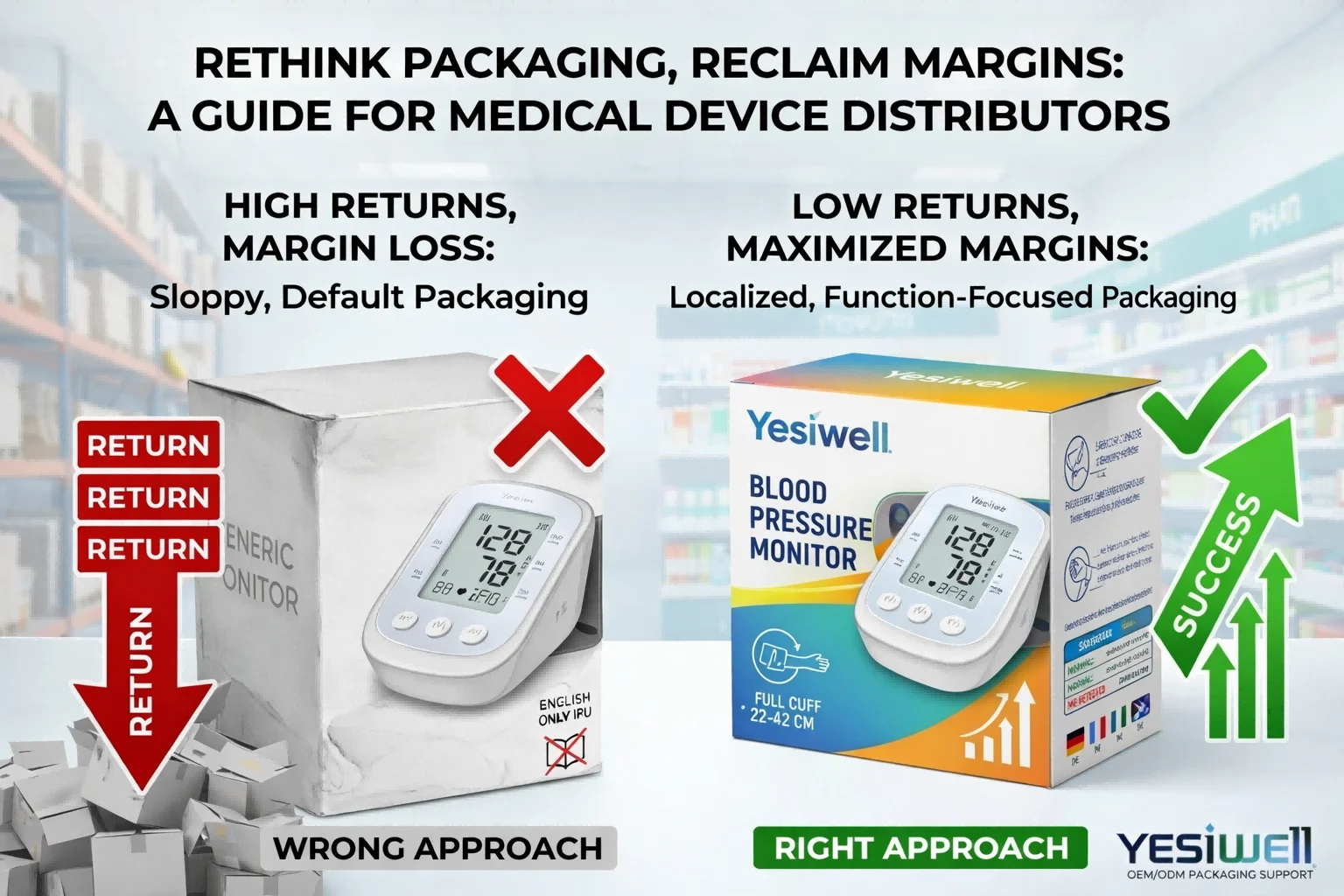
Poor packaging drives returns, compliance failures, and low sell-through. A practical OEM guide for distributors building private-label medical devices.
READ MOREIf you are interested in our products, you can choose to leave your information here, and we will be in touch with you shortly.