As the home-medical-device sector expands, regulatory compliance is no longer optional. ISO 13485 and CE Marking have become the baseline requirements for manufacturers seeking market access, consumer trust, and long-term competitiveness across global regions.
1. Why Compliance Is Now a Strategic Imperative
Growth in at-home health management — including blood pressure monitors, glucose meters, nebulizers, and hot-cold therapy products — has pushed regulators to tighten quality and safety standards.
For brands and OEM suppliers, compliance delivers three business advantages:
Reduces production risks through standardized processes
Strengthens credibility with B2B buyers and distributors
Enables smoother entry into EU, Middle East, and certain Asian markets
In short, compliance has become a market enabler, not an administrative burden.
ISO 13485 is the globally recognized Quality Management System (QMS) standard for medical-device manufacturing.
It focuses on process consistency, traceability, documentation control, and risk management.
Key components include:
Controlled production environments
Verified suppliers and materials
Full device lifecycle documentation
Complaint & corrective-action mechanisms
Traceable batch records and calibration logs
For manufacturers, obtaining certification signals that the company can repeatedly produce safe and reliable products — a key concern for B2B buyers and regulatory reviewers.
For devices entering the European Union, CE Marking is mandatory.
It confirms that the product meets EU safety, performance, and labeling requirements.
Depending on device type, manufacturers may need:
Risk/benefit evaluation
Clinical or performance data
Technical documentation (the “Technical File”)
Post-market surveillance plans
For Class IIa products such as digital blood pressure monitors, CE Marking offers direct legal access to all EU markets without additional national registrations.
For buyers, it signals compliance with some of the world’s strictest regulatory frameworks.
Consumers increasingly rely on home diagnostics. This shift means regulatory expectations have risen:
Accuracy and long-term stability are more scrutinized
Electrical and biocompatibility safety must be verified
Clear labeling and user instructions are required to prevent misuse
Manufacturers must maintain post-market oversight, including tracking complaints and field performance
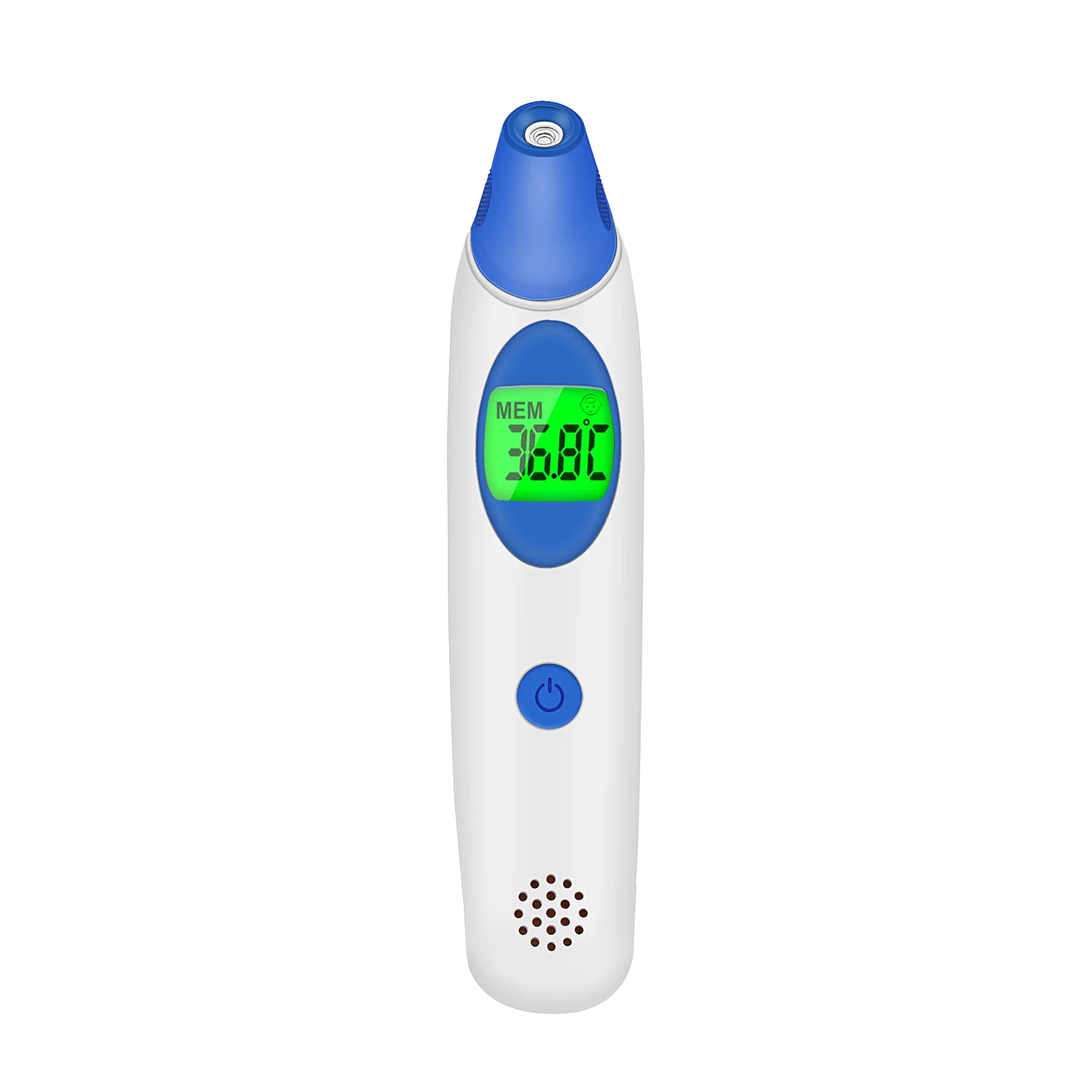
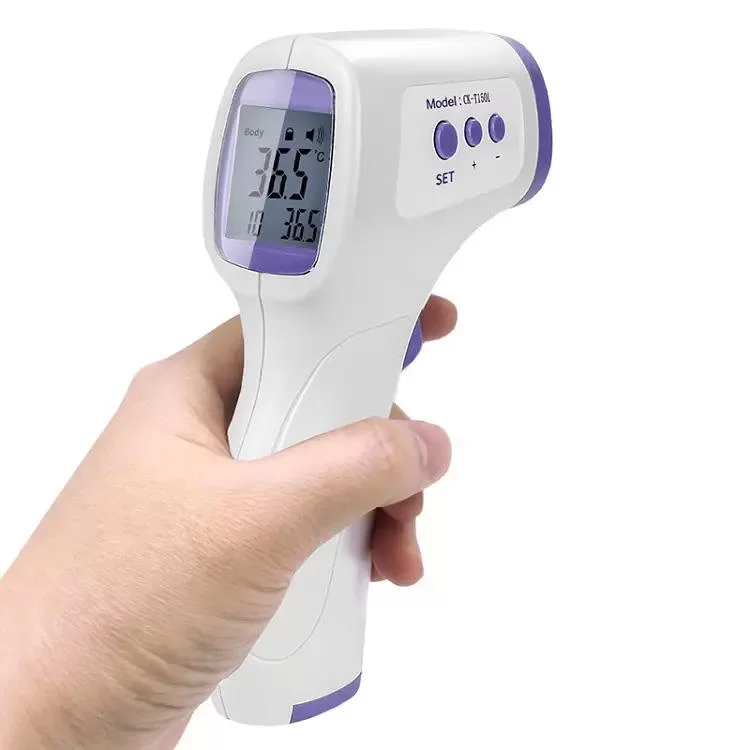
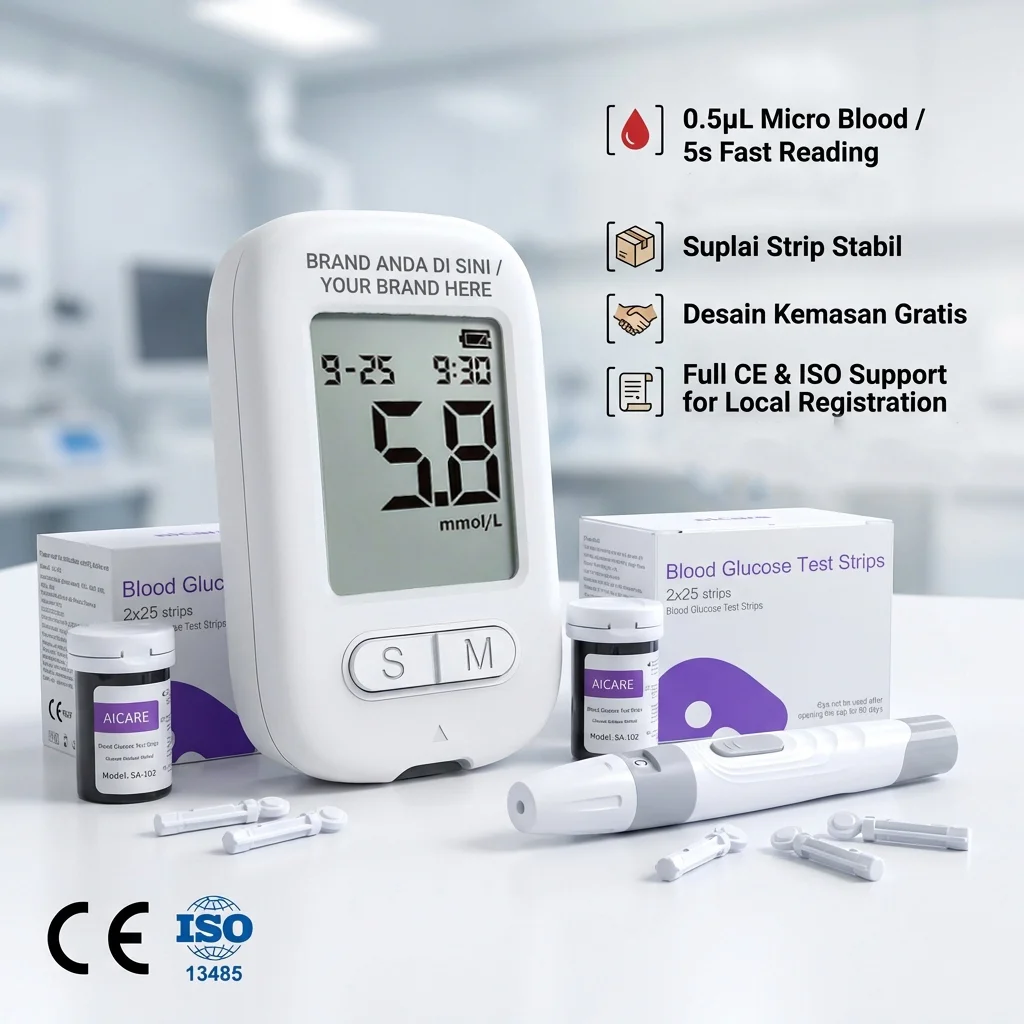
Devices like blood glucose meters, blood pressure monitors, thermometers, nebulizers, and gel therapy packs benefit directly from strict quality frameworks.
The result is safer products and fewer market-entry barriers.
B2B buyers—not just manufacturers—face liabilities in many regions.
Working with suppliers that hold ISO 13485 and CE Marking reduces:
Customs delays
Product recalls
Legal exposure
After-sales costs
For retailers and distributors, verified compliance equals operational security.
As the home medical–device industry accelerates, ISO 13485 and CE Marking provide a unified foundation for trust, safety, and global scalability.
For companies entering competitive markets, early investment in compliance sharply reduces business friction and lifts brand credibility.
If your organization needs support with compliant OEM/ODM production or documentation preparation, our team can assist across product design, certification pathways, and market-ready manufacturing.
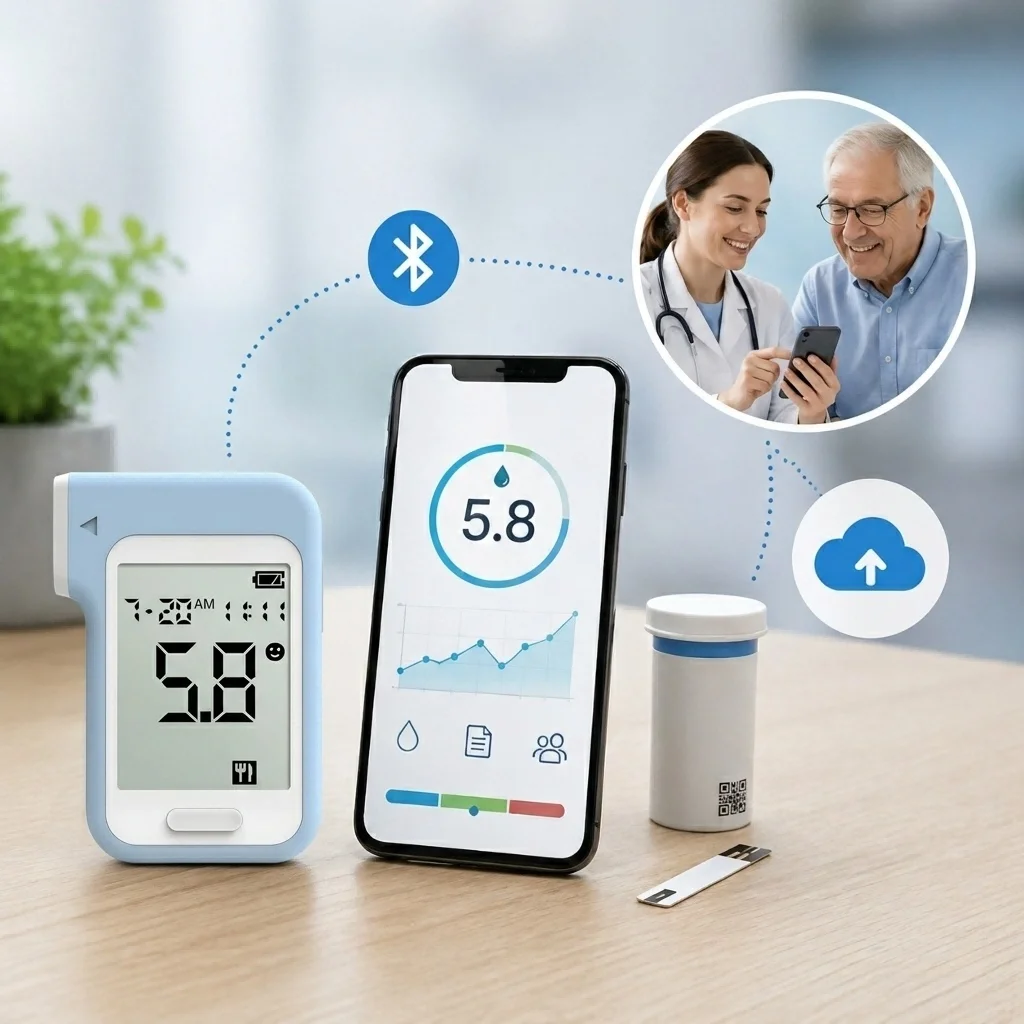
Connected glucose meters carry a higher price and more complex support requirements. Yesiwell's B2B guide helps distributors decide when the smart category is worth adding.
READ MORE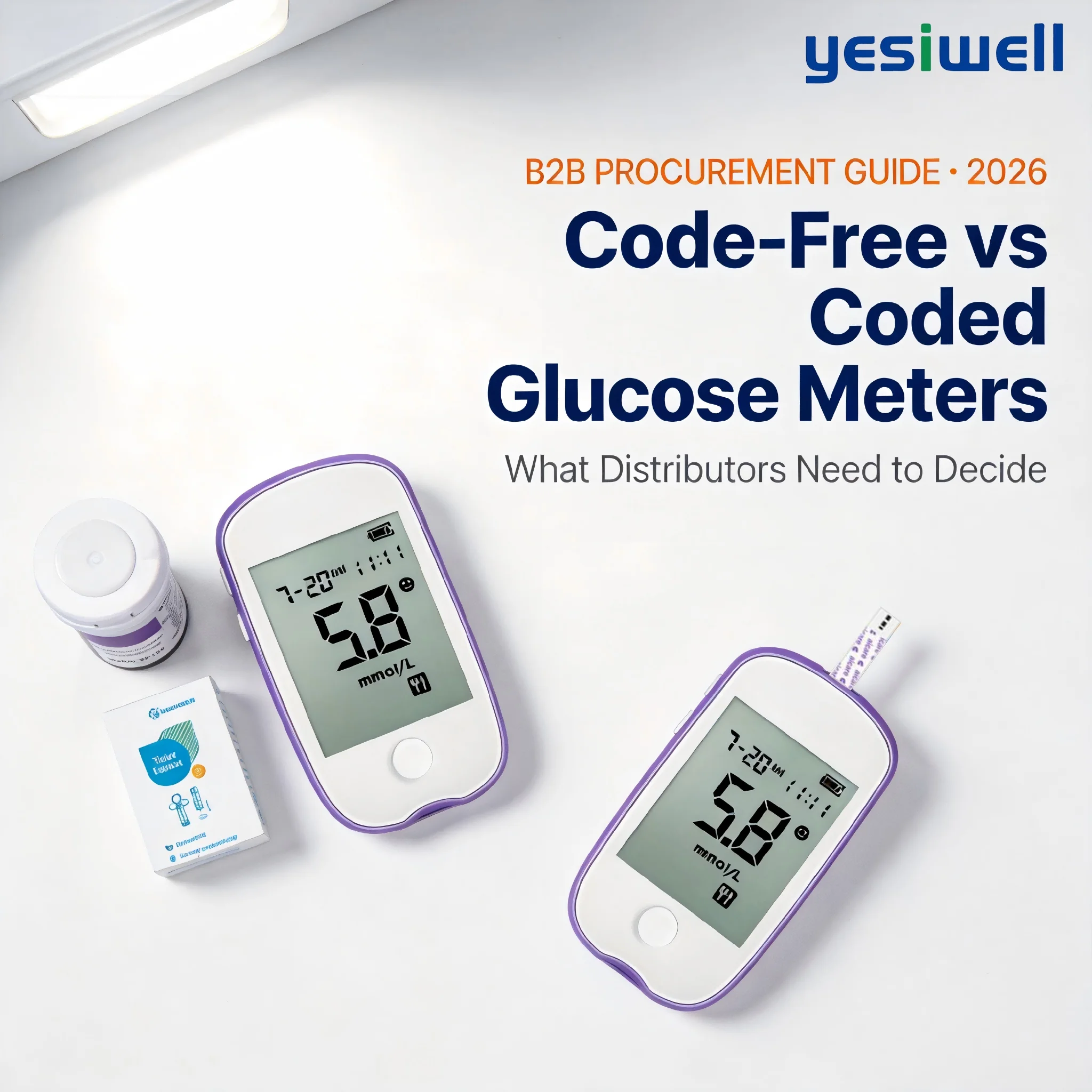
Most distributors default to code-free without asking why. The choice has real implications for your market, your margins, and how often customers call your support line.
READ MOREIf you are interested in our products, you can choose to leave your information here, and we will be in touch with you shortly.