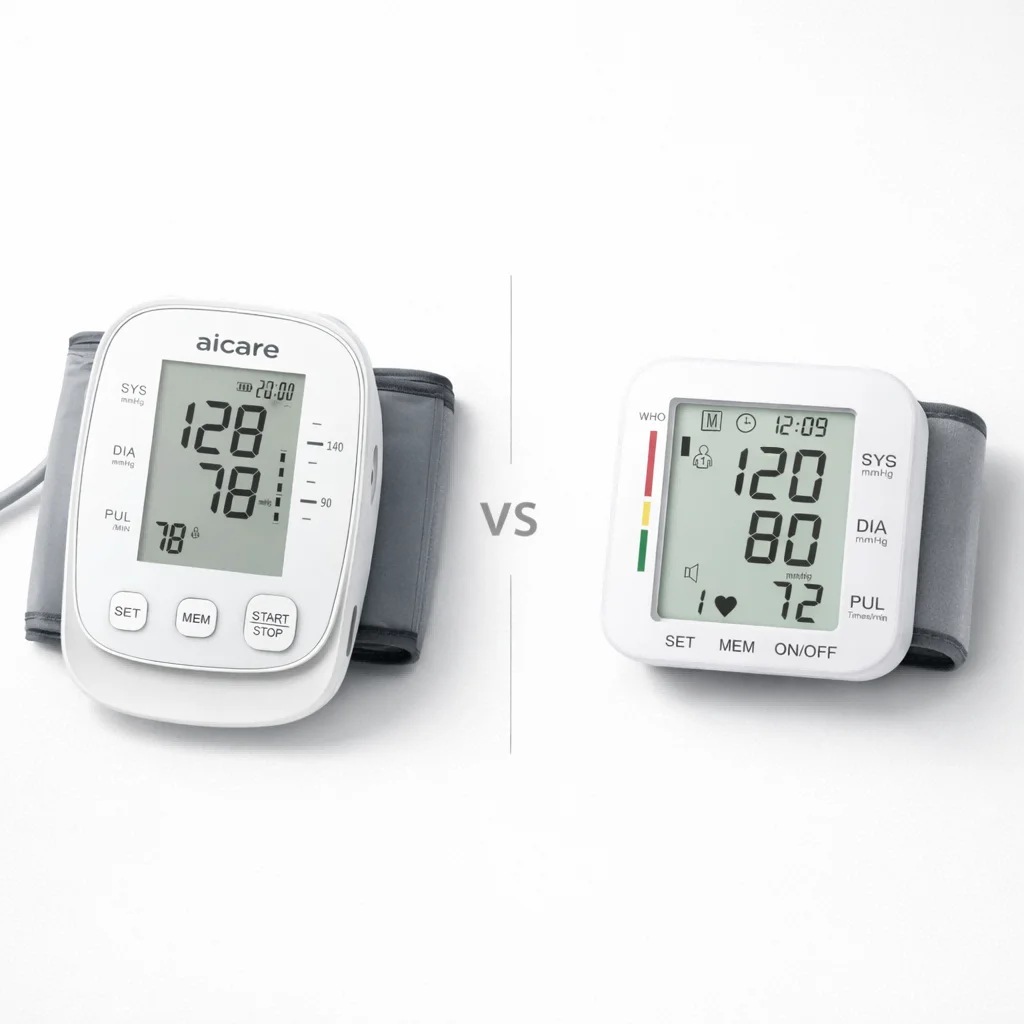
The Real Cost of Blood Glucose Monitoring: Why Test Strips Often Outweigh the Meter Price
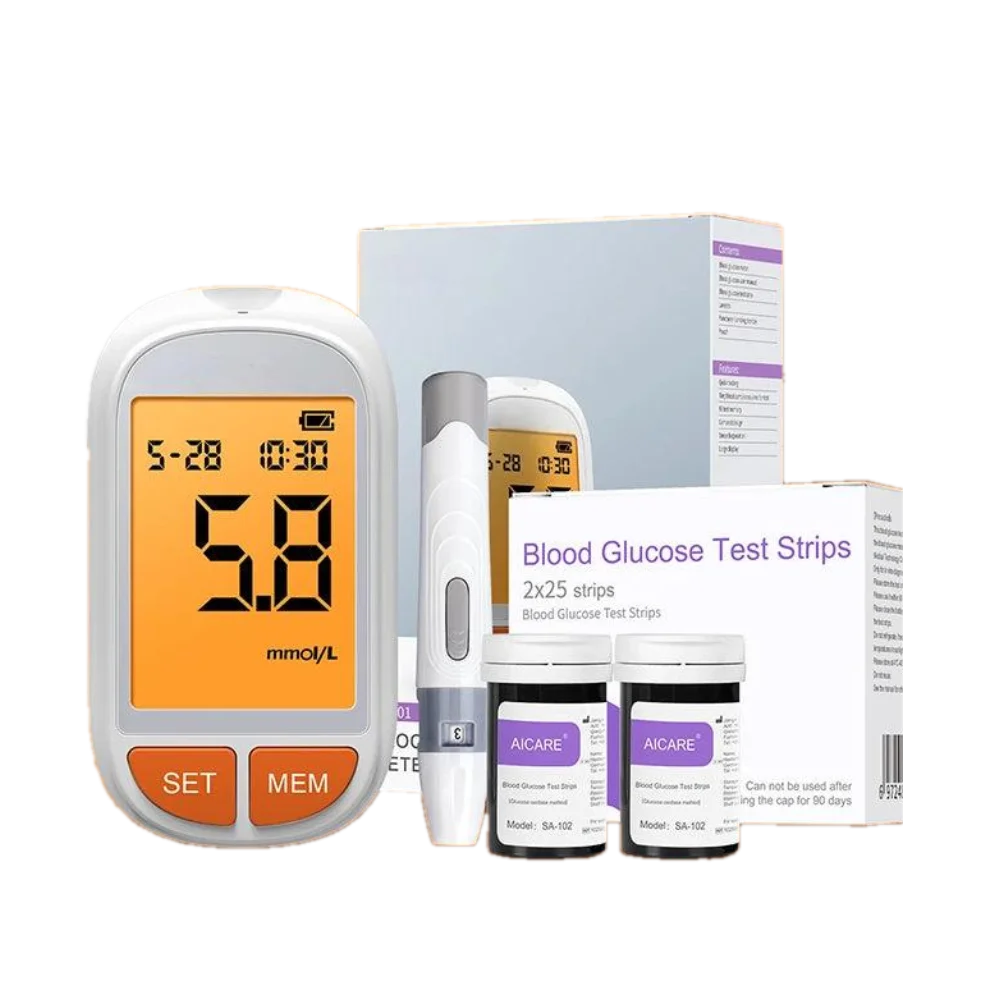
When shopping for a home blood glucose meter, it's easy to focus on the upfront price tag. Many affordable options catch the eye at $20–50, making them seem like a smart buy. But over months and years of regular use, the ongoing cost of test strips usually becomes the bigger expense—and the one that truly shapes your budget.
For anyone managing diabetes or prediabetes, strips are the recurring necessity. A single strip might cost $0.50–$2, but with daily testing (often 1–4 times), that adds up quickly. Someone testing three times a day could go through over 1,000 strips a year, pushing annual costs into hundreds of dollars—far exceeding the meter's initial price.
This pattern isn't unusual in the market. Some manufacturers price meters low to draw users in, then rely on higher-priced proprietary strips for ongoing revenue—a classic "razor-and-blades" approach. Compatibility is another factor: many meters only work with their branded strips, limiting options and sometimes leading to supply issues or price hikes down the line.
Real experiences highlight the difference. One person might choose a bargain meter only to find strips running $1 each, totaling $400–500 yearly. Another researches ahead and picks a system where strips are more reasonably priced—say around $0.30–$0.50 each, available for separate purchase without bundles—and ends up spending far less over time while enjoying steady availability.
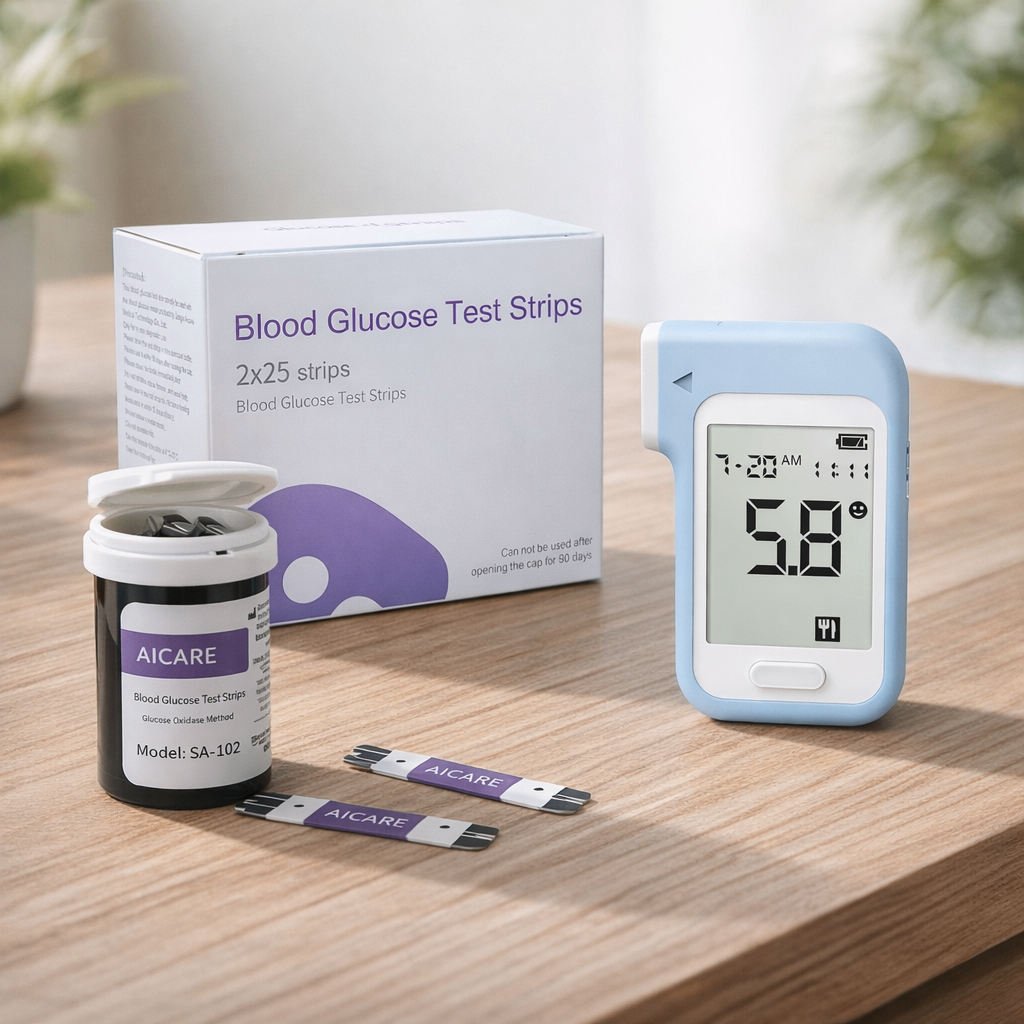
Planning for total ownership cost means looking beyond the box on the shelf. Check average strip prices, estimate your yearly usage, and confirm long-term supply stability. Options that allow buying strips independently, with consistent pricing and reliable stock—like those from Yesiwell—often prove more budget-friendly and hassle-free for everyday users.
Other practical steps include watching for bulk deals, verifying strip expiration dates to avoid waste, and ensuring any choice meets accuracy standards (such as FDA clearance or ISO certification). Generic or third-party compatible strips can sometimes help, but only if they're verified safe and effective.
In the end, thoughtful upfront comparison saves money and frustration later. Glucose monitoring is a long-term commitment; choosing a system where strips won't strain the wallet makes it easier to keep up the routine without second-guessing the expense. A little research now pays off for years of steady, affordable tracking.
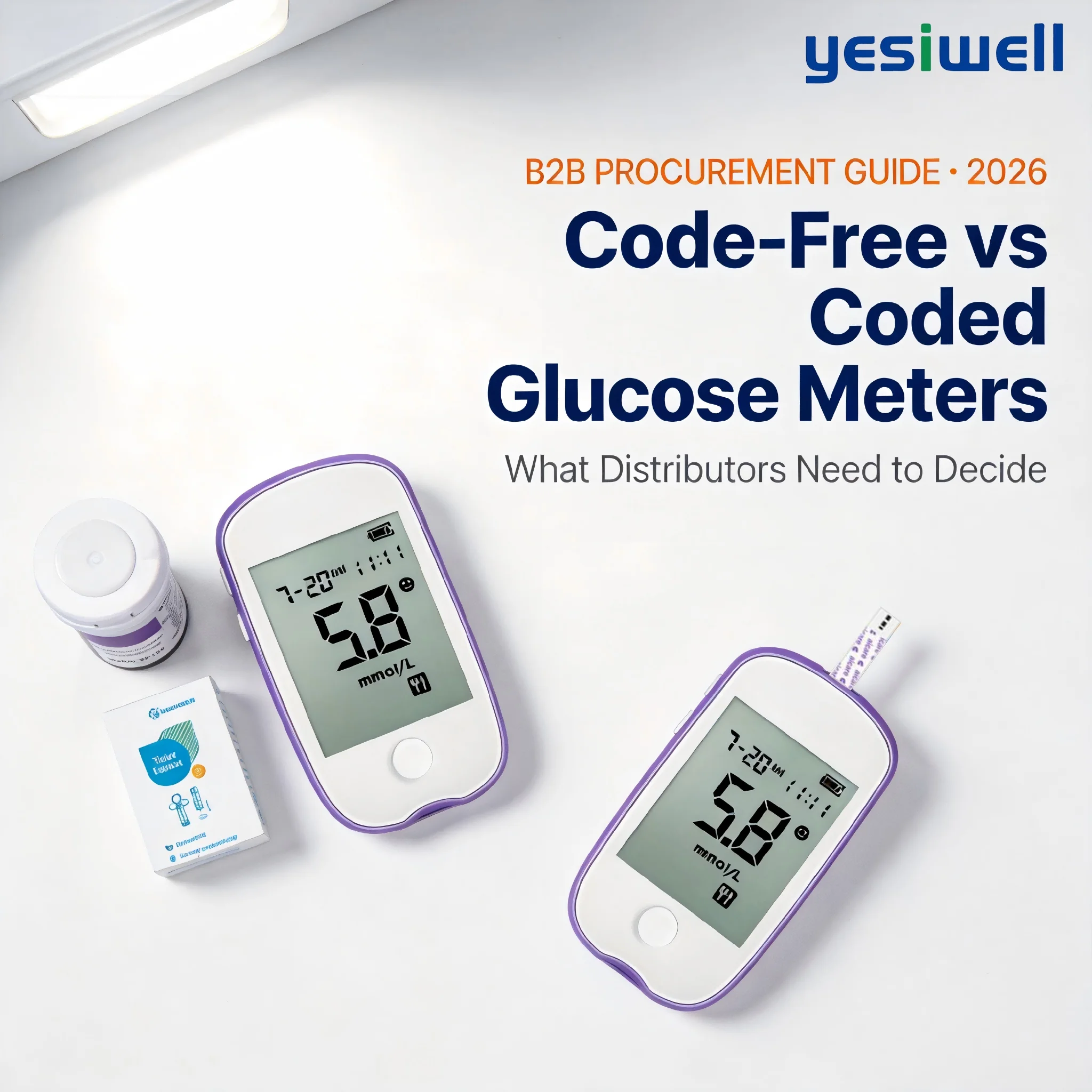
Most distributors default to code-free without asking why. The choice has real implications for your market, your margins, and how often customers call your support line.
READ MORE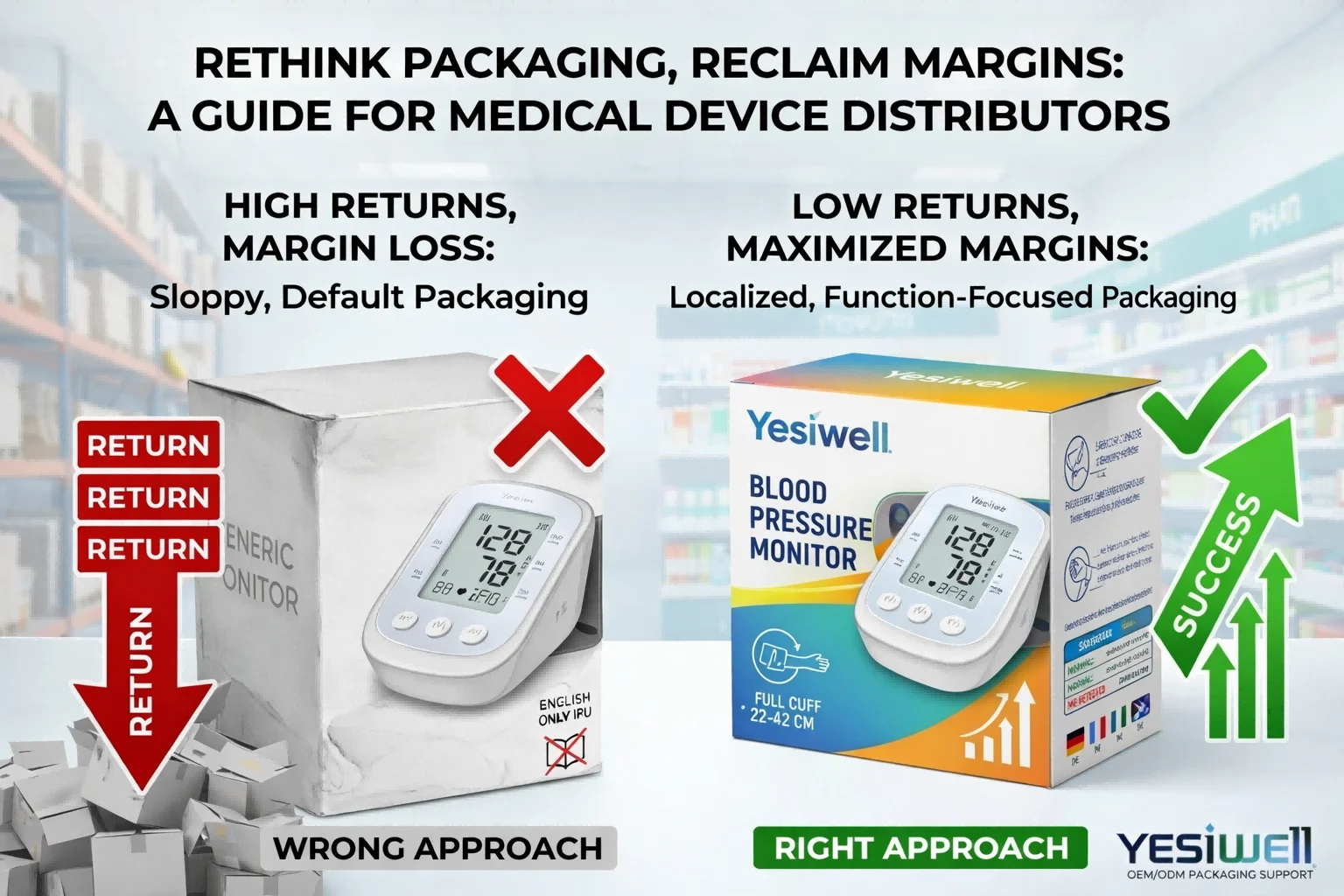
Poor packaging drives returns, compliance failures, and low sell-through. A practical OEM guide for distributors building private-label medical devices.
READ MOREIf you are interested in our products, you can choose to leave your information here, and we will be in touch with you shortly.