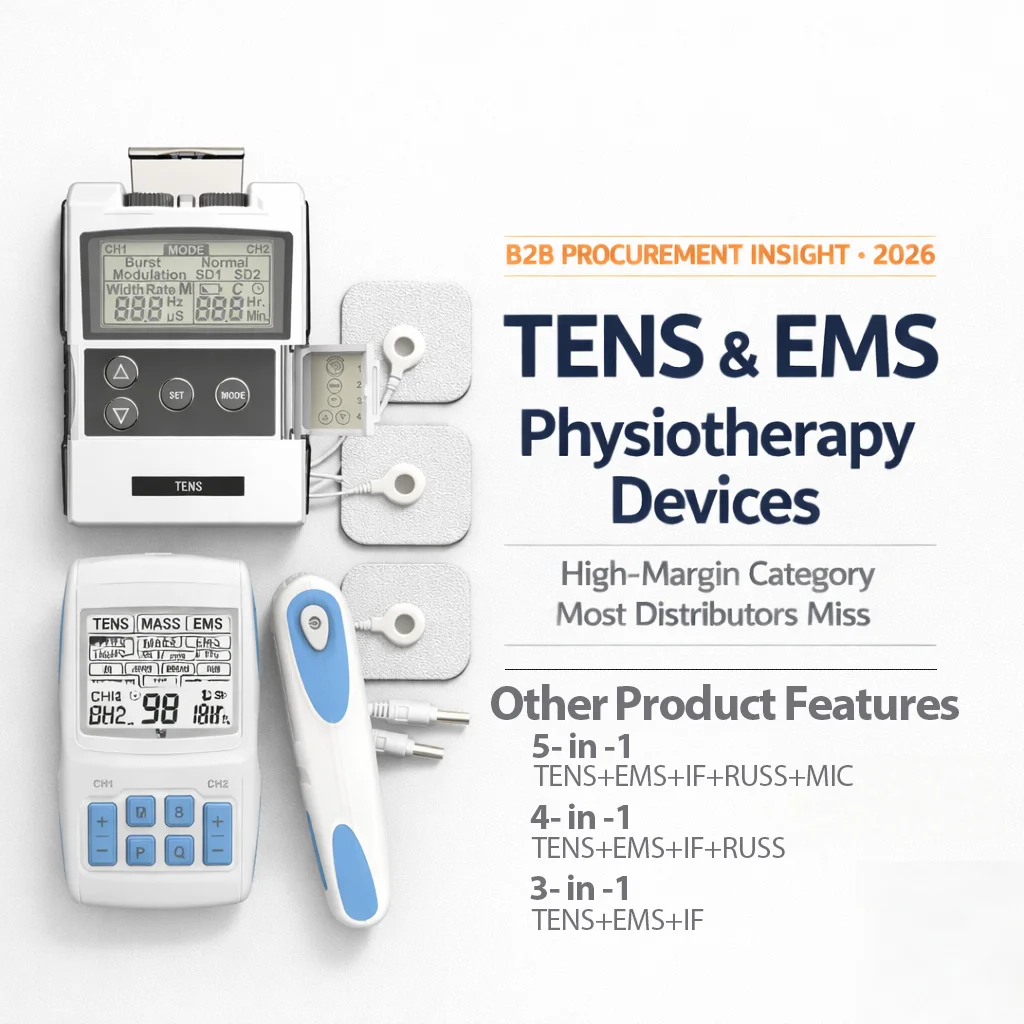
Selecting a home medical device supplier is no longer just a price-driven decision. As home healthcare becomes a core part of chronic disease management worldwide, procurement teams face increasing pressure to balance regulatory compliance, product reliability, and long-term supply stability.
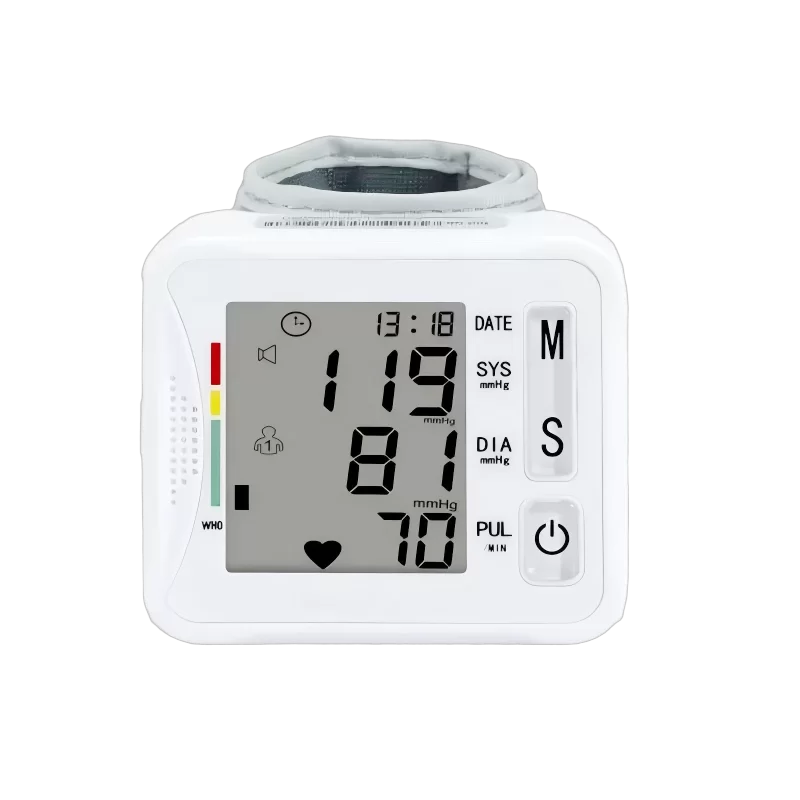
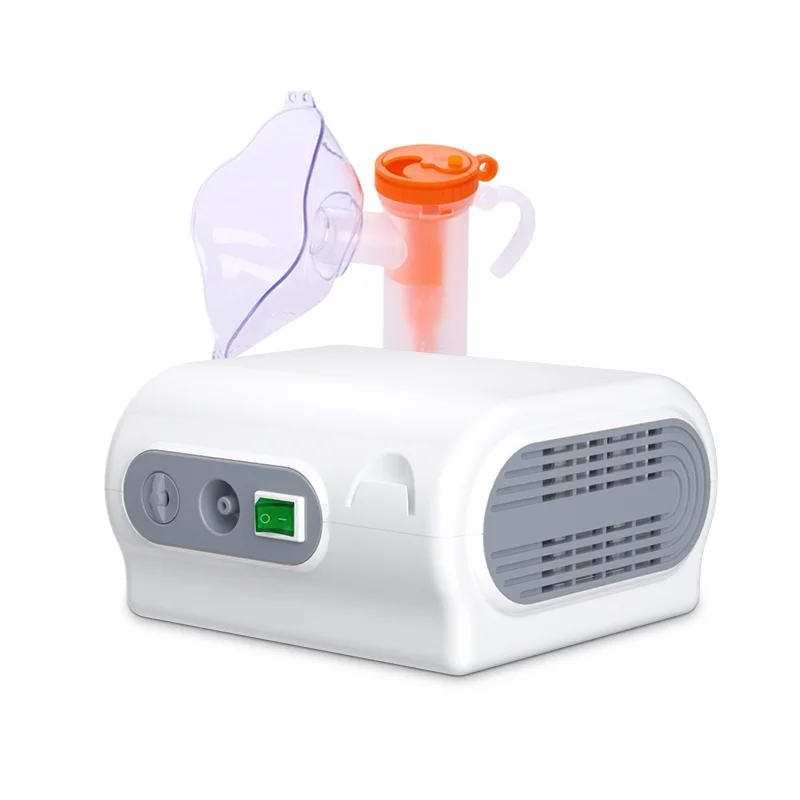
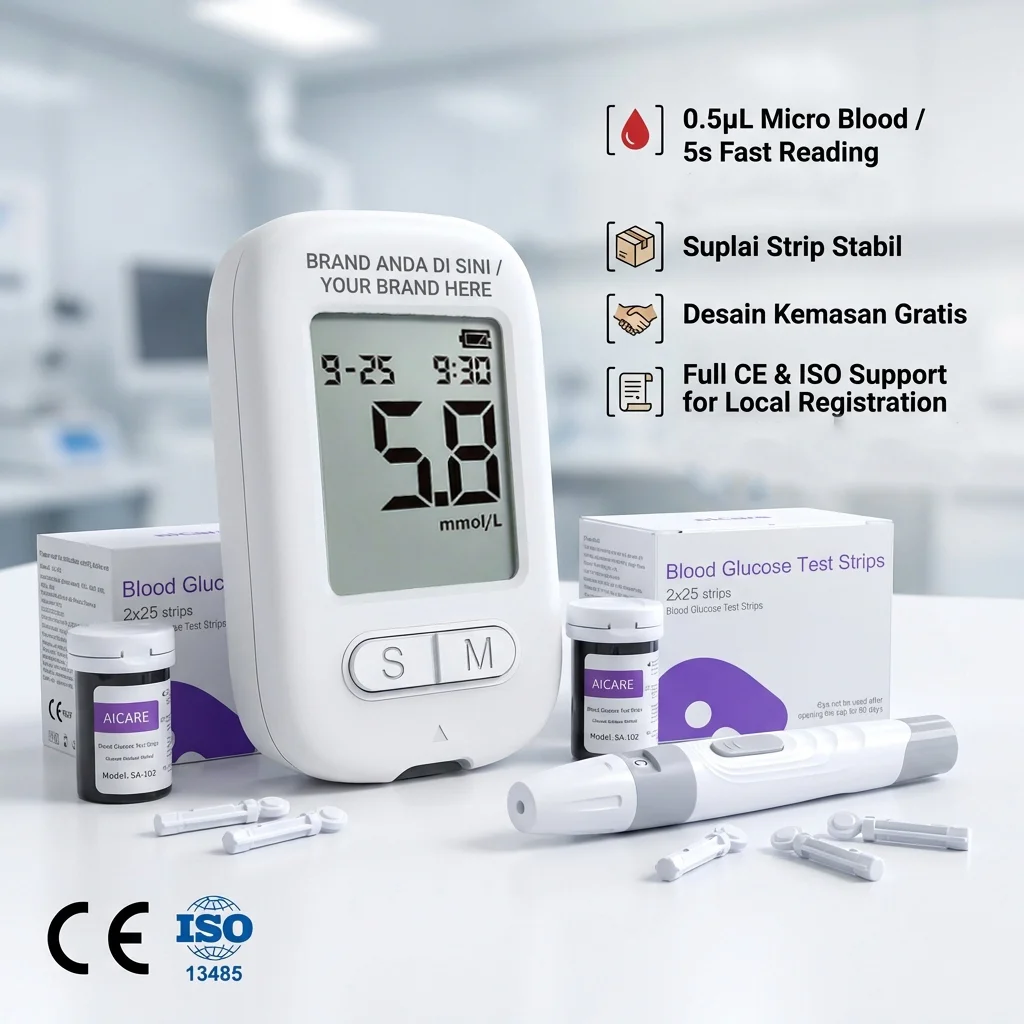
For distributors, brand owners, and OEM partners, the real risk is not choosing a product that looks competitive on paper, but selecting a supplier that fails to perform consistently over time. This checklist outlines the key factors procurement teams should evaluate when sourcing home medical devices such as blood glucose meters, blood pressure monitors, nebulizers, and thermometers.
Certifications such as CE marking, ISO 13485, and relevant local registrations are essential. However, compliance alone does not differentiate suppliers.
What buyers should verify goes beyond certificates:
Is the certification scope aligned with the actual products being supplied?
Are technical files and test reports available upon request?
Does the supplier have experience supporting regulatory audits or post-market documentation?
Suppliers that understand compliance as an ongoing process — rather than a one-time approval — tend to be more reliable partners in international markets.
In home medical devices, especially diagnostic products like blood glucose meters or blood pressure monitors, batch-to-batch consistency matters as much as nominal accuracy.
Key questions procurement teams should ask:
Are accuracy validation reports available for multiple production batches?
How does the supplier control raw material variability?
What internal acceptance criteria are used before shipment?
Stable performance across production cycles reduces return rates, customer complaints, and regulatory exposure downstream.
Not all manufacturers operate at the same level of process maturity. Buyers should look for clear evidence of structured production control, including:
Defined incoming material inspection procedures
In-process quality checks at critical stages
Final product testing records
Equally important is transparency. A supplier that can clearly explain its quality control flow — without marketing language — demonstrates operational confidence and accountability.
Supply disruptions create downstream costs that often outweigh small unit price differences.
When evaluating suppliers, consider:
Historical on-time delivery performance
Production scalability during demand fluctuations
Inventory strategies for key components
Reliable suppliers plan capacity based on realistic forecasts rather than reactive production, which supports long-term cooperation and predictable fulfillment.
Medical devices are not one-time transactions. Procurement teams should understand:
Expected product lifecycle duration
Availability of consumables and spare parts
Change management processes for design or component updates
Suppliers that actively communicate product updates and lifecycle planning help buyers avoid sudden discontinuations or compatibility issues.
Strong after-sales support reduces friction across the entire channel.
Key indicators include:
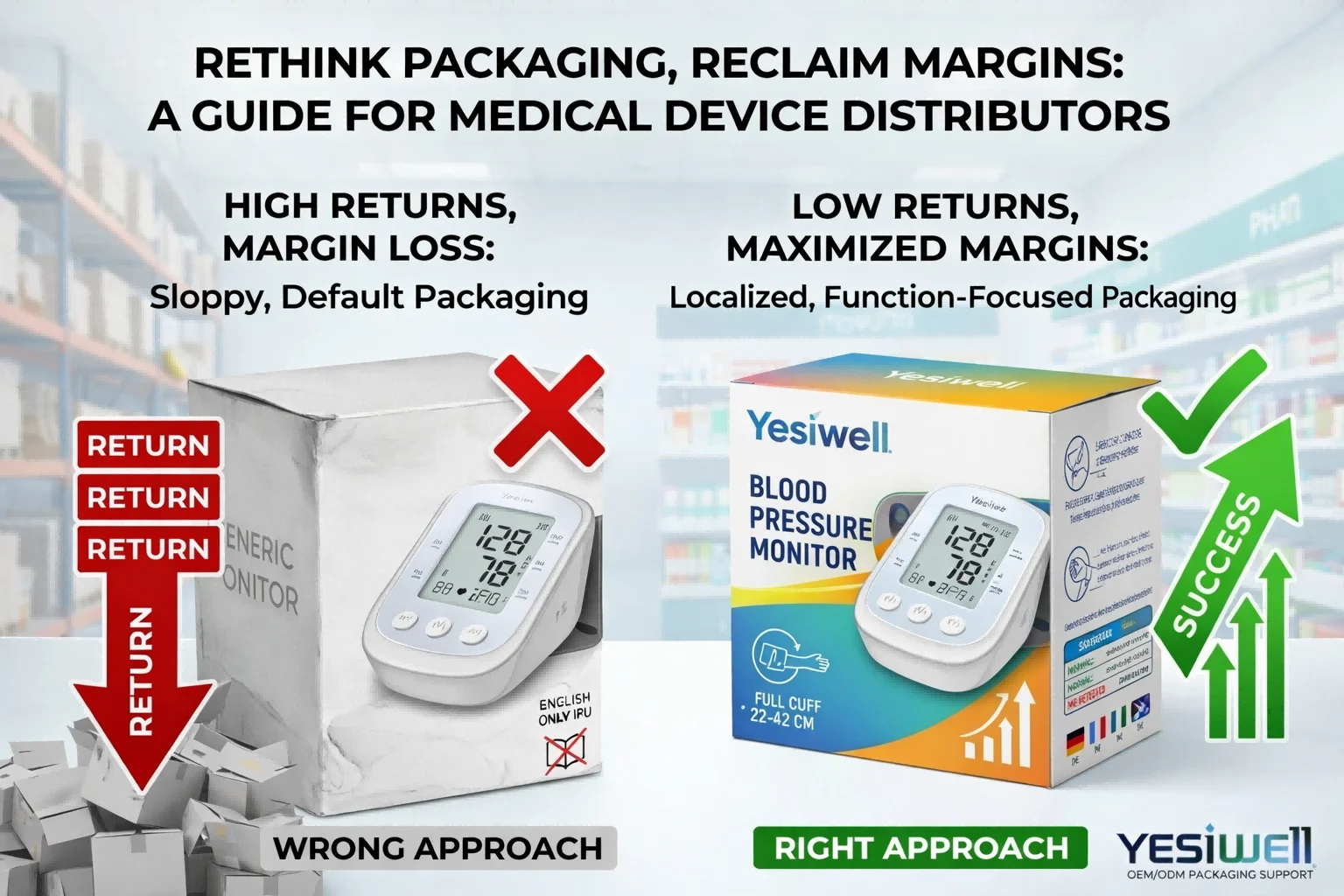
Clear user manuals and labeling compliant with target markets
Technical training support for distributors or partners
Defined procedures for handling quality feedback and corrective actions
Efficient communication in these areas often reflects the supplier’s internal coordination and responsiveness.
Unit price is only one component of sourcing cost. Procurement decisions should account for:
Warranty claims and returns
Regulatory maintenance costs
Brand reputation impact caused by inconsistent performance
Suppliers that deliver stable quality often reduce hidden costs over the product’s lifecycle, improving overall ROI.
Evaluating home medical device suppliers requires a structured, long-term perspective. Regulatory compliance opens the door, but reliability, transparency, and operational discipline determine whether a partnership succeeds.
For procurement teams, using a practical checklist helps shift decisions from short-term pricing comparisons to sustainable sourcing strategies — supporting safer products, stronger market performance, and more resilient supply chains.
For buyers seeking stable, compliant home medical device solutions, reviewing supplier capabilities against clear operational criteria is the first step toward long-term success.
Learn more about our approach to quality, compliance, and supply reliability by exploring our News & Insights section.
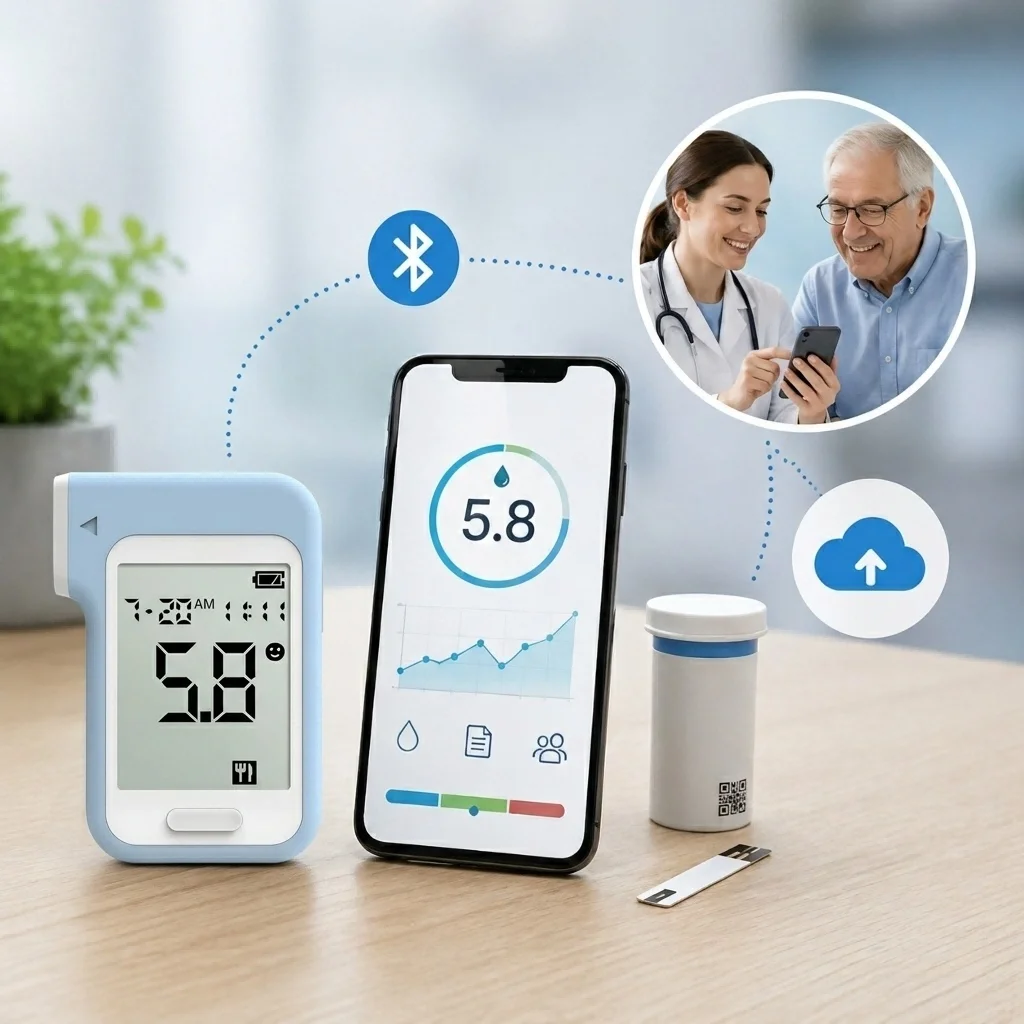
Connected glucose meters carry a higher price and more complex support requirements. Yesiwell's B2B guide helps distributors decide when the smart category is worth adding.
READ MORE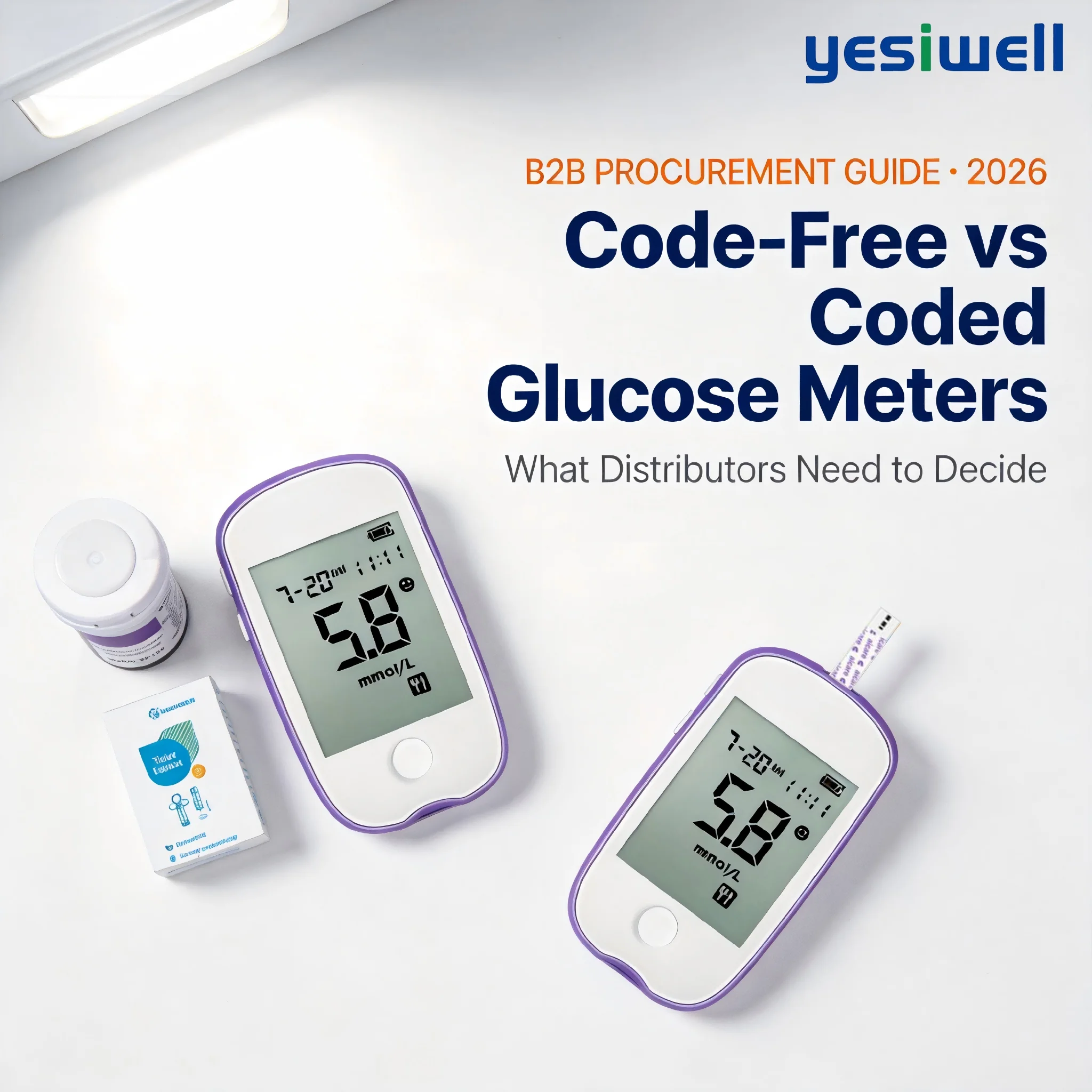
Most distributors default to code-free without asking why. The choice has real implications for your market, your margins, and how often customers call your support line.
READ MOREIf you are interested in our products, you can choose to leave your information here, and we will be in touch with you shortly.