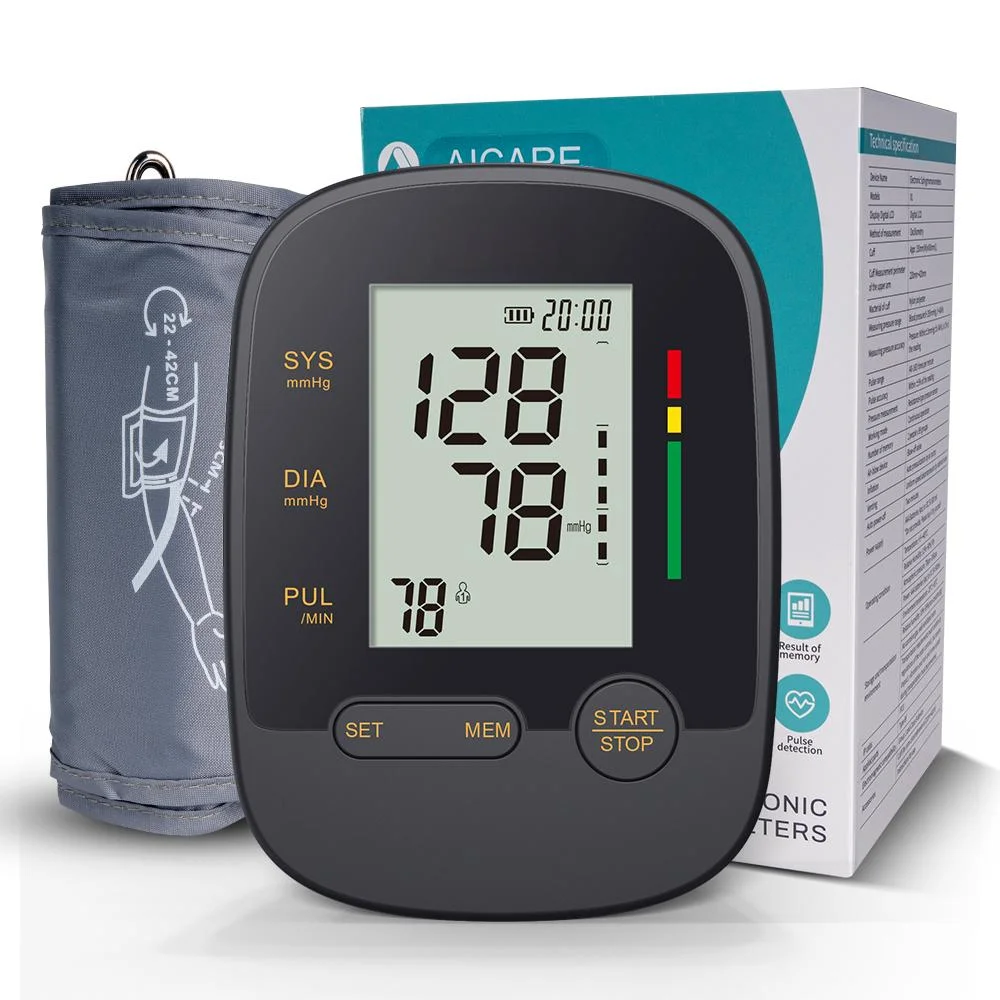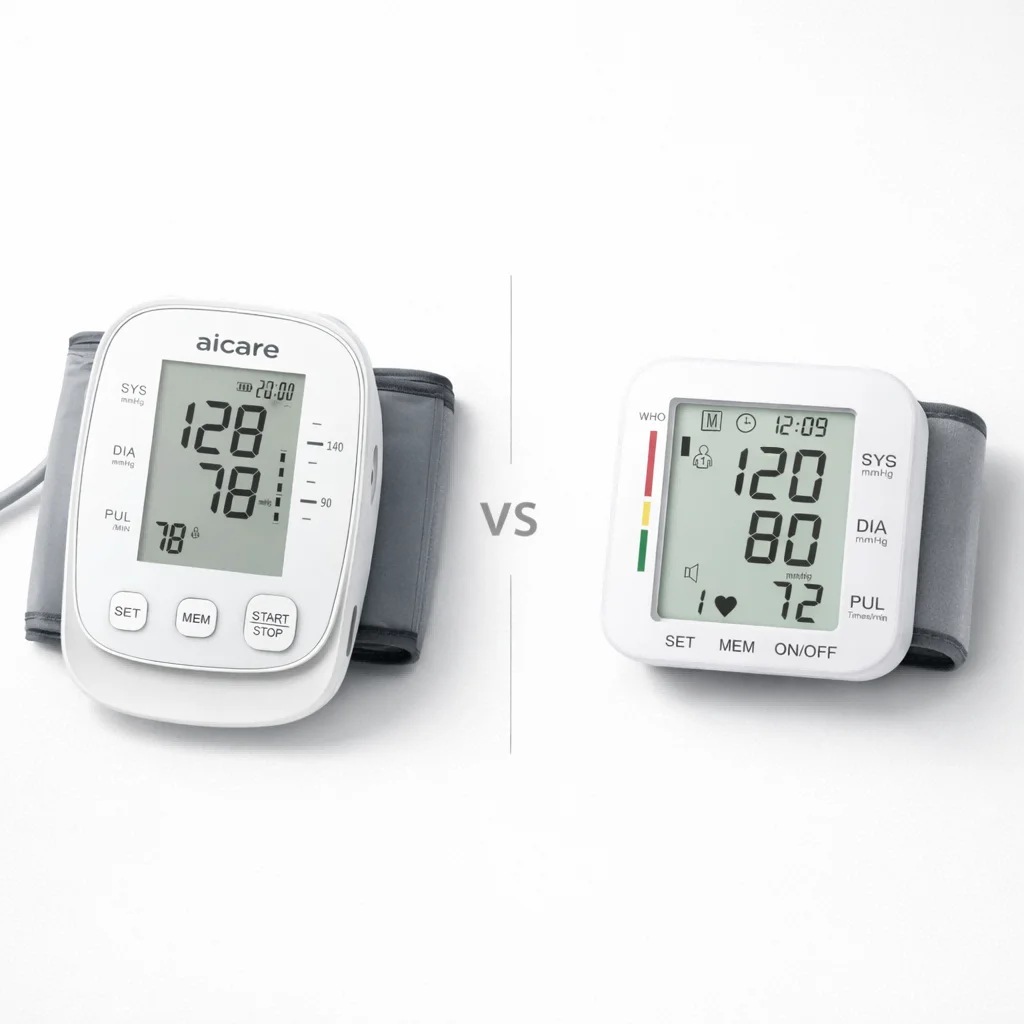
Blood pressure data has never been easier to collect. What has become harder is knowing how to interpret it correctly—especially when readings come from different environments, devices, and usage behaviors.
In clinical settings, blood pressure measurement follows standardized protocols: calibrated equipment, trained operators, controlled posture, and defined rest periods. At home, those controls largely disappear. Yet paradoxically, home blood pressure monitoring (HBPM) is increasingly used to guide long-term hypertension management.
The challenge is not measurement itself, but trend interpretation.
Clinic blood pressure readings are designed to answer a specific question: What is the patient’s blood pressure under standardized conditions at a specific point in time?
This has clear strengths:
Device accuracy is tightly regulated.
Measurement posture and cuff placement are supervised.
Environmental variables are minimized.
However, the limitations are equally well known. White-coat hypertension and masked hypertension remain persistent issues. A single reading—or even several readings within one visit—captures a narrow physiological snapshot. It does not reflect day-to-day variability, lifestyle influence, or medication adherence outside the clinic.
Clinically, this means hospital data is highly reliable per measurement, but weak in longitudinal context.
Home blood pressure monitoring flips this equation.
At-home data offers:
Higher measurement frequency
Readings across different times of day
Insight into real-world behavior and adherence
This makes HBPM particularly valuable for trend analysis, treatment adjustment, and early detection of deterioration.
But the trade-offs are obvious:
Inconsistent measurement technique
Variable cuff positioning
User-dependent timing and posture
Device quality variance across brands and models
From an analytical standpoint, individual home readings are less reliable than clinical ones—but aggregated trends can be more meaningful.
The mistake many users make is treating home readings as point-accurate clinical equivalents. They are not.
When interpreting long-term blood pressure trends, consistency matters more than absolute precision.
If a patient uses the same validated device, measures at similar times, and follows basic positioning guidance, trend direction becomes statistically useful—even if individual readings carry minor deviations.
This is where many discussions oversimplify accuracy. A ±3–5 mmHg deviation in a single home reading is clinically acceptable if the measurement pattern is stable. What matters is whether systolic pressure is trending upward over weeks, not whether today’s reading matches a clinic device exactly.
From a data perspective:
Clinical readings = high accuracy, low frequency
Home readings = lower per-point accuracy, high frequency
Effective interpretation requires understanding both.
In home monitoring, device validation is not optional—it is foundational.
Validated home blood pressure monitors following ISO 81060-2 and CE/FDA requirements reduce systematic bias. While they cannot eliminate user error, they prevent device-driven drift that would invalidate long-term trends.
For B2B buyers, especially those sourcing devices for consumer or remote monitoring programs, this is critical. A device that performs well in a lab but degrades under repeated daily use introduces noise that trend analysis cannot correct.
Reliability over time is the real differentiator—not feature count.
Clinicians increasingly combine both data sources, but they are used differently:
Clinical readings confirm diagnosis, validate thresholds, and support formal treatment decisions.
Home trends guide medication adjustment, adherence monitoring, and lifestyle intervention effectiveness.
Problems arise when stakeholders expect one to replace the other.
Home monitoring does not eliminate the need for clinical measurement. Likewise, clinic visits alone cannot support modern hypertension management at scale.
The future is hybrid interpretation—where data context matters as much as data accuracy.
For distributors, brand owners, and healthcare program operators, the evaluation criteria are shifting.
Beyond accuracy claims, the real questions are:
Does the device maintain calibration stability over time?
Is cuff design tolerant of real-world misuse?
Are readings repeatable under non-ideal conditions?
Can data trends remain interpretable after thousands of cycles?
These factors determine whether collected data becomes a clinical asset—or just noise.
Blood pressure monitoring is no longer about individual numbers. It is about patterns, context, and reliability over time.
Clinical and home measurements are not competing standards. They are complementary tools with different strengths and limitations.
Interpreting trends correctly requires acknowledging those differences—rather than forcing one model of accuracy onto all use cases.
For organizations building long-term health monitoring strategies, this distinction is not academic. It directly impacts outcomes, compliance, and trust.
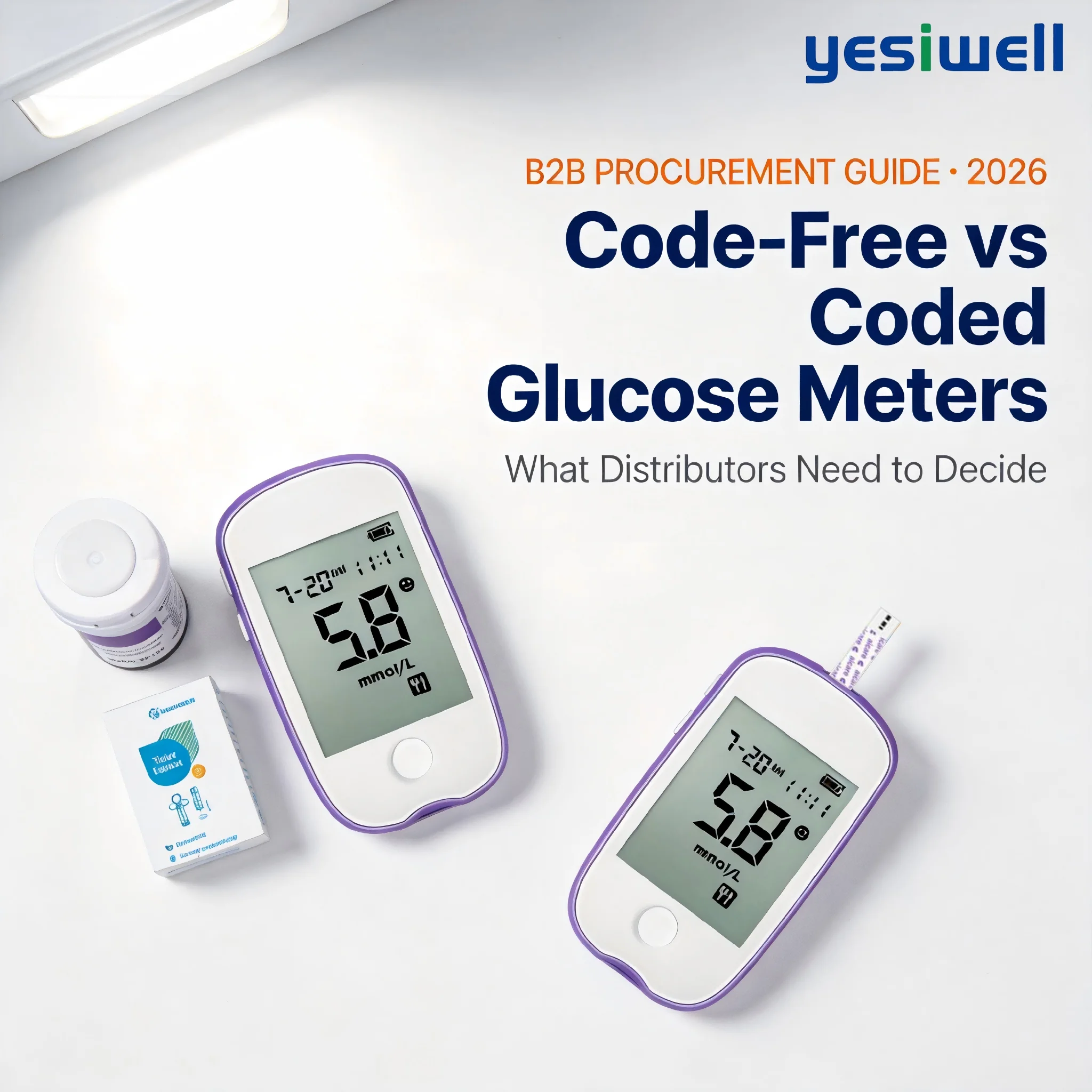
Most distributors default to code-free without asking why. The choice has real implications for your market, your margins, and how often customers call your support line.
READ MORE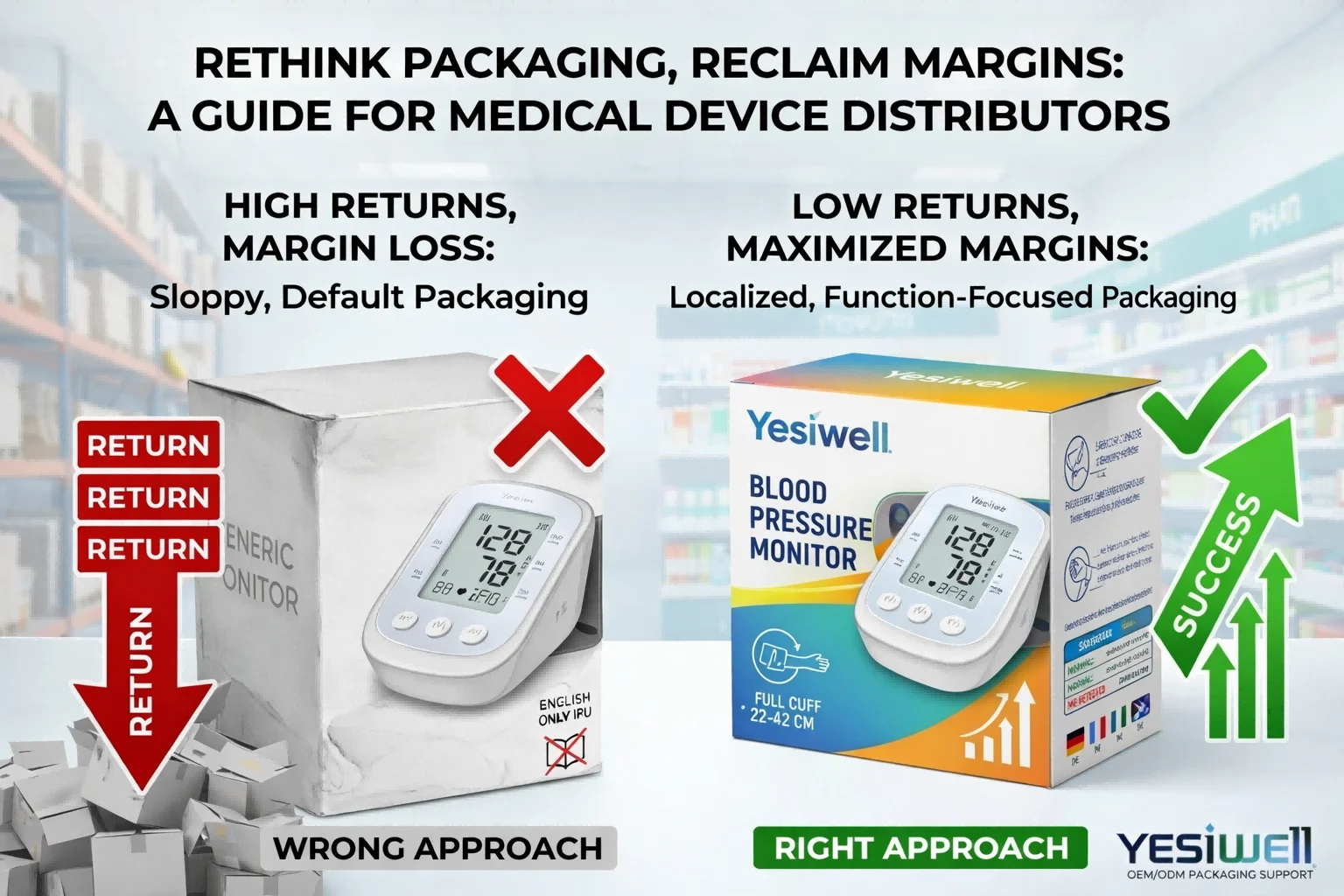
Poor packaging drives returns, compliance failures, and low sell-through. A practical OEM guide for distributors building private-label medical devices.
READ MOREIf you are interested in our products, you can choose to leave your information here, and we will be in touch with you shortly.