For individuals who rely on a blood glucose monitor to track blood sugar levels, daily dietary habits play a critical role in maintaining stable readings and understanding how the body responds to different foods. The following guidelines summarize widely accepted nutritional principles that support healthier blood sugar management. These recommendations are general in nature and intended for educational purposes.
Consistent eating schedules help create predictable blood sugar patterns, making home monitoring more meaningful.
Key points include:
Keeping breakfast, lunch, and dinner at relatively fixed times
Avoiding long gaps between meals
Preventing sudden overeating after extended fasting
Regularity helps users interpret blood glucose results more accurately.
Carbohydrates have the most direct impact on blood sugar. Both quantity and type matter.
General guidance includes:
Choosing complex carbohydrates such as whole grains, oats, brown rice, corn, and mixed grains
Limiting meals high in refined carbohydrates like white rice, white bread, and regular pasta
Distributing carbohydrate intake evenly throughout the day
Monitoring post-meal readings with a blood glucose monitor helps users understand how specific carbohydrate portions affect their blood sugar.
Sweetened drinks can cause rapid increases in blood sugar. Examples include:
Fruit juice
Sweetened tea or milk tea
Soft drinks
Energy drinks
Preferred alternatives:
Water
Sparkling water without sugar
Coffee or tea without added sugar
These choices support more stable blood sugar responses.
Fiber slows the absorption of glucose and supports more stable readings throughout the day.
Good sources include:
Green vegetables
Beans
Oats
Nuts (unsweetened)
Whole grains
Users can monitor before-and-after readings to observe how fiber-rich meals help reduce spikes.
Highly restrictive diets, overeating, or abrupt fasting can lead to unpredictable blood sugar fluctuations. A balanced eating pattern is more sustainable:
Moderate protein from fish, eggs, beans, or lean meat
Healthy fats such as olive oil, avocados, and nuts
Adequate vegetables
Controlled portions of quality carbohydrates
A blood glucose monitor can help individuals identify which eating patterns work best for their personal metabolism.
Fruit can be part of a healthy diet when portion size and type are considered.
General recommendations:
Choose lower-sugar fruits such as berries, grapefruit, apples, and pears
Avoid drinking fruit juice
Eat fruit with meals instead of on an empty stomach
Keep portions small, such as half an apple or a handful of berries
Monitoring post-meal readings helps determine individual responses.
High GI foods tend to raise blood sugar quickly. Examples include:
White bread
Candies
Mashed potatoes
Cakes and desserts
If these foods are included, pair them with protein or vegetables to moderate the impact, and review post-meal readings for personal guidance.
Alcohol can raise or lower blood sugar depending on the drink and context.
General advice:
Avoid alcoholic beverages high in added sugar
Do not consume alcohol on an empty stomach
Monitor blood sugar during and after drinking to understand individual sensitivity
A blood glucose monitor helps identify personal reactions to different types of alcohol.
Although not part of diet itself, post-meal movement has a strong influence on blood sugar.
A simple 10–20 minute walk after eating may help reduce post-meal glucose peaks.
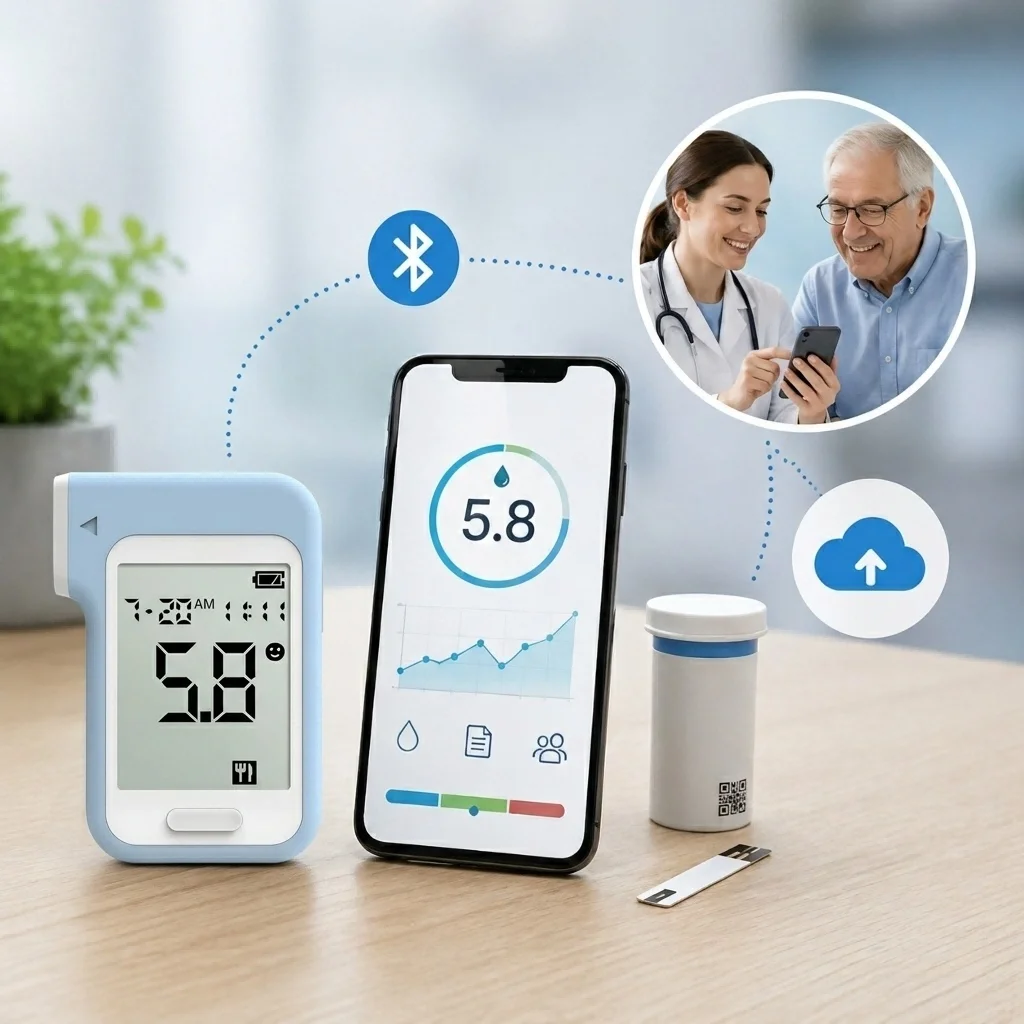
Connected glucose meters carry a higher price and more complex support requirements. Yesiwell's B2B guide helps distributors decide when the smart category is worth adding.
READ MORE
Most distributors default to code-free without asking why. The choice has real implications for your market, your margins, and how often customers call your support line.
READ MOREIf you are interested in our products, you can choose to leave your information here, and we will be in touch with you shortly.