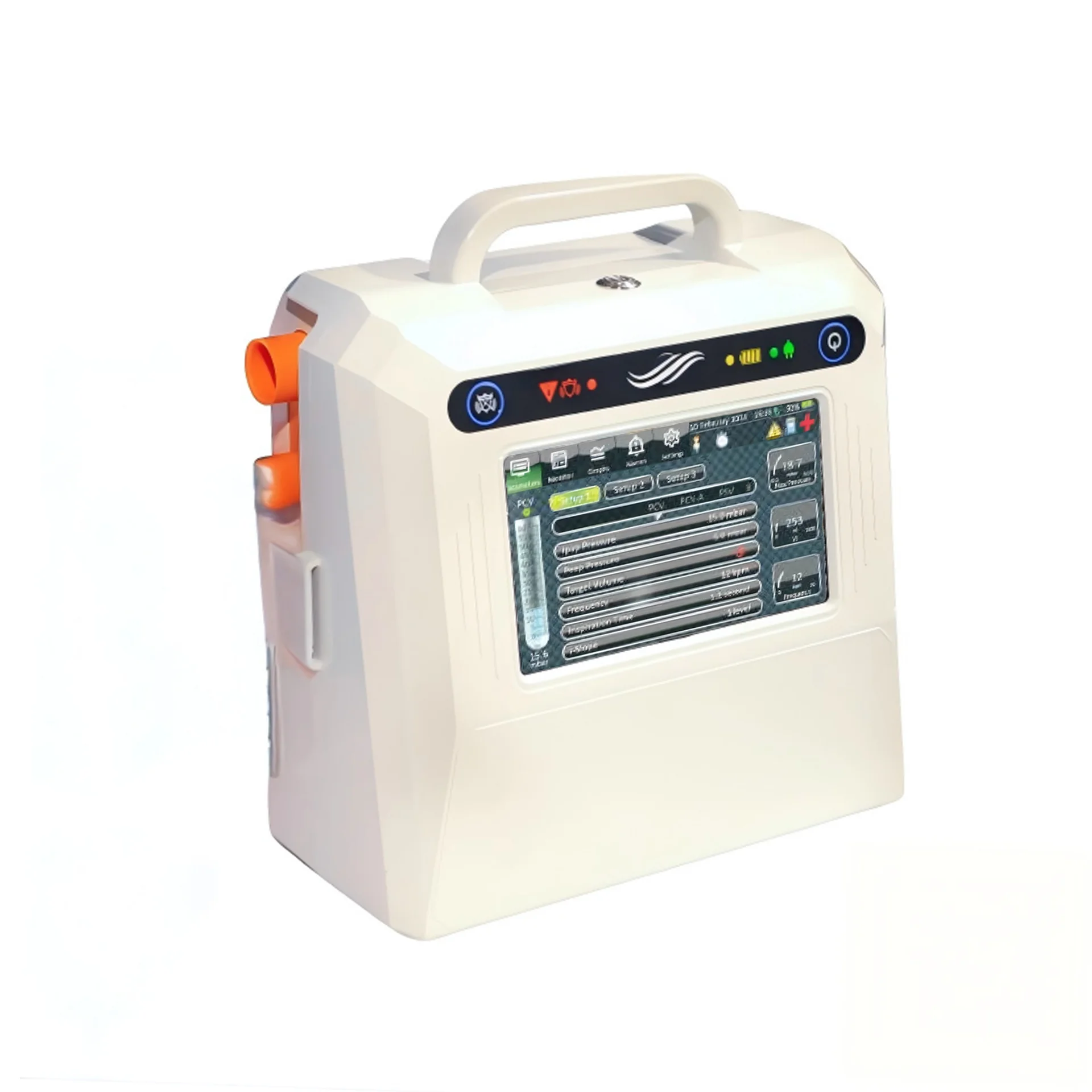
As respiratory health concerns continue to rise worldwide, home nebulizers are becoming an essential tool for families seeking convenient and reliable breathing support. Increasing cases of asthma, seasonal allergies, and pollution-related conditions have elevated the demand for portable nebulizer devices that allow users to manage symptoms safely from home.
Growing interest in home-based treatment reflects a broader shift in global healthcare habits. Many families are looking for ways to reduce hospital visits while maintaining consistent care for chronic or recurring respiratory issues. As a result, compact and user-friendly nebulizers are now widely recognized as a practical supplement to traditional clinical treatment.
Respiratory conditions remain a major health concern in many regions. Urban pollution, changing weather patterns, and post-infection respiratory symptoms have led to an increase in individuals requiring regular breathing support. In areas such as North America, Southeast Asia, and the Middle East, home medical devices have seen steady adoption as families seek more autonomy in managing chronic symptoms.
Hospitals and clinics continue to play a central role in respiratory care, but limited capacity and long-term disease management challenges have encouraged more patients to adopt home-care devices. Nebulizers, in particular, provide a familiar and evidence-based method for delivering medication directly to the lungs, making them a preferred option for children, older adults, and individuals with ongoing respiratory needs.
Home nebulizers allow users to perform treatment consistently without scheduling clinic visits, reducing travel time and improving adherence in long-term care. The direct aerosol delivery method supports better absorption of respiratory medications compared to oral alternatives, making it a practical tool for conditions such as asthma, COPD, bronchitis, or seasonal airway irritation.
For families with children, nebulizers offer a gentle, non-invasive method that can be used during nighttime symptoms or sudden episodes of cough and wheezing. Modern portable models also make it possible for users to carry their device during travel, ensuring continuity of care wherever they go.
Recent advancements in nebulizer design have made home treatment more comfortable and efficient. Many devices now include:
Fine-particle atomization for consistent medication delivery
Low-noise operation, suitable for young children and nighttime use
Continuous mist output to support stable inhalation
USB or Type-C charging, replacing bulky adapters
Multiple mask and mouthpiece options to accommodate different users
Easy-to-clean structures for safe daily maintenance
Medical-grade materials that meet international quality standards
These improvements align with rising consumer expectations for devices that are safe, reliable, and simple to operate across different age groups.
Home nebulizers serve a wide range of everyday needs. They are commonly used for:
Asthma or COPD medication inhalation
Seasonal allergy support
Post-infection respiratory recovery
Nighttime cough relief for children
Managing congestion or airway dryness caused by weather changes
On-the-go respiratory care during travel
The flexibility of these devices allows families to adapt treatment routines to their lifestyle while maintaining consistent respiratory support.
Medical professionals generally recognize nebulization as a standard and established method for delivering respiratory medication. Experts emphasize the importance of using devices correctly, cleaning components regularly, and following healthcare provider instructions regarding medication types and dosage.
Home nebulizers are not positioned as a replacement for medical consultation. Instead, they serve as a supportive tool for ongoing care, particularly for individuals with chronic conditions who benefit from accessible, at-home treatment options.
The global shift toward home-based care has created strong demand for compact, medically compliant nebulizers. Portable models, in particular, are seeing rapid growth due to their ease of use and adaptability across different environments.
Manufacturers play a critical role in this trend by ensuring product safety, improving atomization performance, and adopting materials that comply with international standards. As more consumers prioritize reliable respiratory care solutions, high-quality home nebulizers are positioned to remain a key category within the home healthcare market.
Home nebulizers have become an important component of modern respiratory care, offering families a convenient and practical way to manage chronic symptoms and seasonal breathing difficulties. With stable performance, user-friendly design, and growing global acceptance, portable nebulizers are likely to continue expanding their presence in the home healthcare sector.
For more information on home nebulizers and other respiratory care solutions, visit our product page to explore detailed specifications and device options.
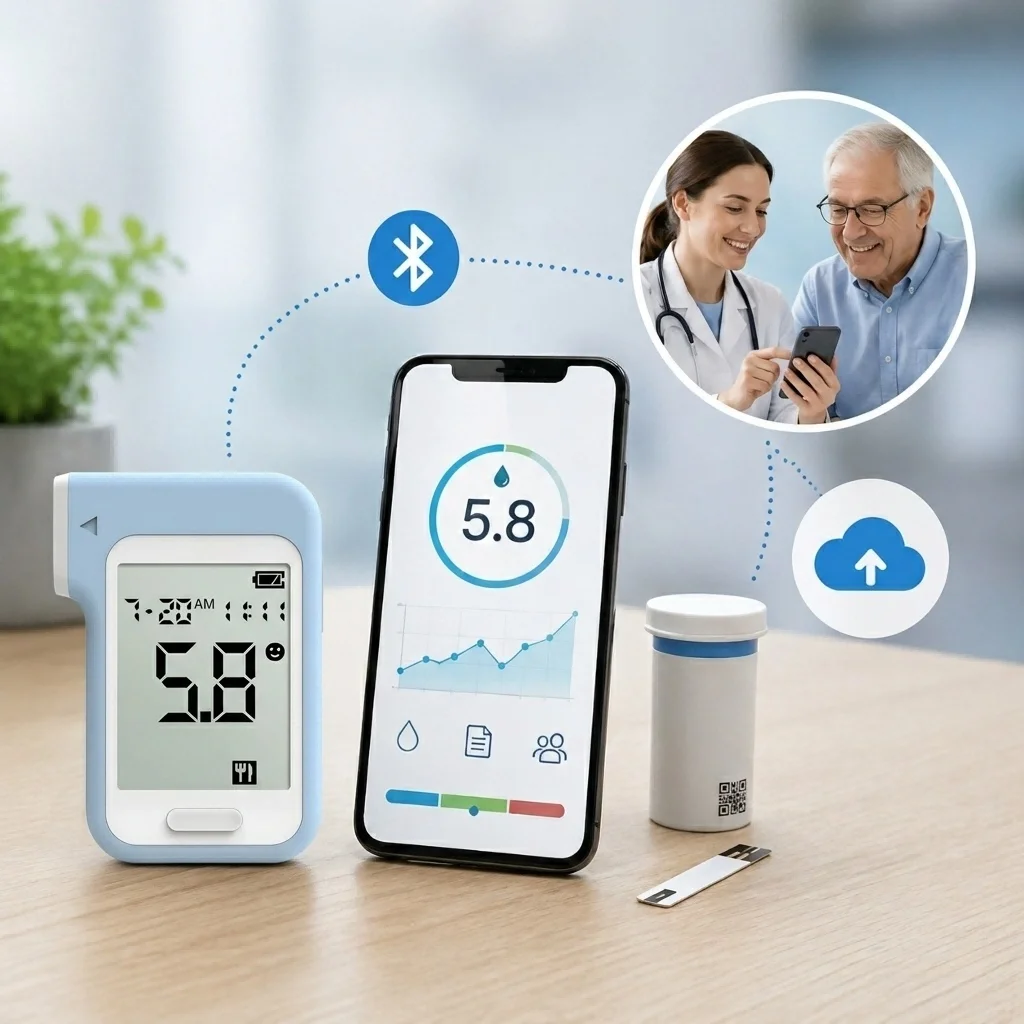
Connected glucose meters carry a higher price and more complex support requirements. Yesiwell's B2B guide helps distributors decide when the smart category is worth adding.
READ MORE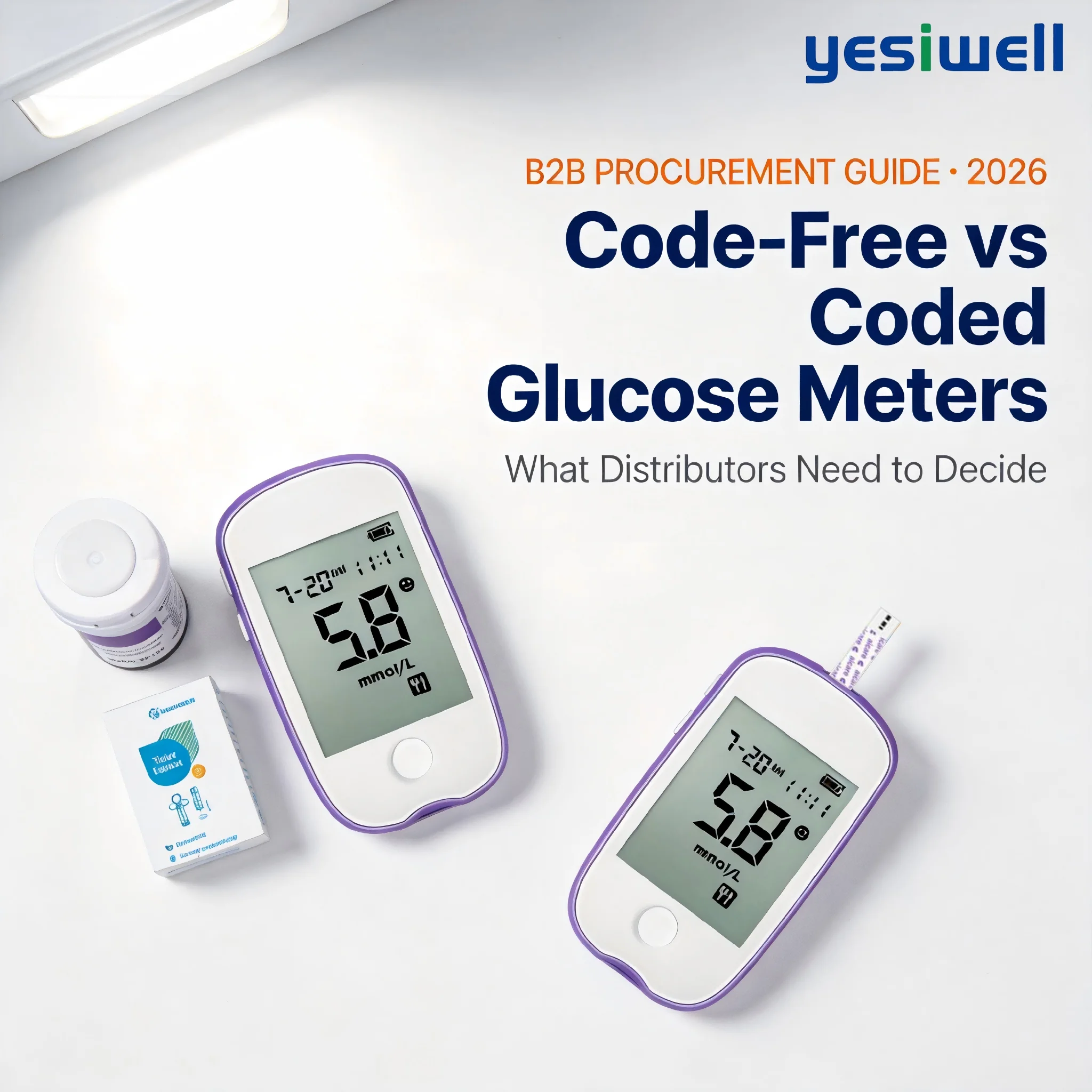
Most distributors default to code-free without asking why. The choice has real implications for your market, your margins, and how often customers call your support line.
READ MOREIf you are interested in our products, you can choose to leave your information here, and we will be in touch with you shortly.